Is this what I signed up for?

I Didn’t Sign Up For This…

(Medical school graduation 1995)

Many years ago, when I first considered pursuing a career in medicine, I thought long and hard before going down that road because I knew it would involve sacrifice. My dad was a surgeon, so, as much as any child can understand, I did. I understood the lifestyle of being called away, of working nights and weekends, of having healthcare decisions weigh on my mind. When I finally made the decision, I knew right away there were certain things I was signing up for. But medicine was my calling. I felt it what I was meant to do so whatever it took it was worth it.


I knew even then that I was signing up for a lot of nights studying instead of socializing or relaxing. I signed up for difficult classes and long nights. I signed up for volunteering in a hospital throughout college and stressing about grades and spending the summer studying for the MCAT. But I didn’t sign up for this.


When I got accepted to medical school I knew what I was signing up for. I willingly signed up for even more, even longer nights studying. I signed up for dissecting cadavers, high pressure tests, and losing touch with some of my best friends from college. I signed up for being at the hospital at 6 AM, losing 15 lbs during surgery rotation because I never had time to eat, and talking to friends on the phone to make sure they didn’t fall asleep driving home after a call shift. But I didn’t sign up for this.


When I entered Family Medicine Residency I signed up for moving halfway across the country (Kansas!). I signed up for working 80+ hour weeks, 30 hour shifts, and not sleeping in my own bed. I pushed my boundaries for what I felt comfortable doing: I worked as the solo physician in a small-town ER for 60-hour shifts so that those doctors can recharge. I signed up for spending my birthday on call and making an average of about $4 an hour. I am a good re-framer: I was on obstetrical call one birthday and felt blessed that I could welcome newborns to share my birthday. I signed up for stressed out patients and the responsibility of their health in my hands. But I didn’t sign up for this.


I followed my husband to rural Indiana while he completed his specialized medical training. I got a job teaching at the local medical school’s rural training site for family medicine and realized my love of academic medicine, for welcoming the new physician into my field. I put off having our first child until we had a more reasonable work schedule. But I didn’t sign up for this.


I didn’t sign up for spending more time with my computer than with my patients. I didn’t sign up for insurance companies dictating what tests and medications my patient can and cannot receive. I sure as hell didn’t sign up for a government official who doesn’t know a stethoscope from a horoscope telling me how often my patient needs to be in the hospital or cutting my reimbursement because someone was angry I didn’t refill their narcotic prescription early. I didn’t sign up for being told I’m not allowed to use the appropriate personal protective equipment in order to keep my immunocompromised patients, my colleagues, and myself safe because there’s not enough to go around.

I educate the new residents about how to become more efficient, how to work within the current cumbersome system. I encourage them to feel joy in everyday and to appreciate small accomplishments. I don’t want the next generation of physicians to throw in the towel, to not care for patients.


I knew what I was signing up for. I didn’t sign up for this.

Posted in Uncategorized | Comments Off on Is this what I signed up for?

Why(?!) you may NOT need both pneumonia vaccines…

Why are there pneumonia vaccines?  Streptococcus pneumonia infection is the most common cause of bacterial pneumonia.  We know that older people often need hospitalization or they die from this type of bacterial pneumonia.  We added a pneumococcal conjugate vaccine to the childhood immunization schedules in 2000.  This led to herd immunity and a NINE-FOLD decrease in invasive pneumococcal disease in adults 65 and older.  Wow!

Timeline of 13-valent pneumococcal conjugate vaccine for older adults…

In 2014 the Advisory Committee on Immunization Practices (ACIP) expanded their recommendation for us to give the 13-valent pneumococcal conjugate vaccine (also known as PCV13 or Prevnar 13) to ALL patients older than 65, regardless if they had any risk factors.

Between 2014 and 2018 we have kept watch and despite 47% of Medicare patients older than 65 receiving PCV13 there has been no further decrease in noninvasive or invasive pneumococcal disease and no decrease in mortality from pneumonia.

ACIP met in 2019 and reviewed that information.  Now instead of suggesting PCV13 to ALL people older than 65 ACIP suggests that the patient and physician discuss IF this vaccine is appropriate for them.  Those at higher or highest risk for streptococcus pneumonia are still advised to get PCV13.

What are the risk factors that may lead to more dangerous infections due to streptococcus pneumonia?

  1. The highest-risk group should still get PCV13 regardless of age. Chronic diseases (renal failure, nephrotic syndrome, chronic cerebral spinal fluid leak), treatment with immunosuppressant medications, B and T cell lymphocyte deficiency, HIV infection, phagocytic disorders, cancers of any type, leukemia, lymphoma, radiation therapy, anatomic or functional splenia, sickle cell disease, cochlear implants, multiple myeloma, solid organ transplant.
  2. The group with higher risk (compared to the routine population) should consider shared decision-making with the patient’s physician. What are the higher risk conditions? Chronic heart, liver or lung disease, those living in a group situation (nursing home, assisted living facilities, jails, and shelters), prior pneumonia, those living near a high-rate of non-vaccinators, and substance abusers.

The vaccine is safe and effective at an individual level.  But, because of the decreased burden of pneumococcal disease from the monumental success of childhood vaccination, it decreases the benefit of the PCV-13 in older, well adults.

If a well 65 year old patient chooses to get the PCV13 vaccine, it should be given at age 65 and then the “other” pneumonia vaccine, PPSV23, is given a year later.  Medicare currently pays for the PCV13 vaccine.  If in the future Medicare denies financial coverage for the PCV13 vaccine, it may cost the patient about $200.

See your physician once a year for a well visit.  This is the perfect time to discuss screening tests and vaccines.

Posted in Uncategorized | Tagged , , , , , | Comments Off on Why(?!) you may NOT need both pneumonia vaccines…

Telemedicine. How to get the most from your telemedicine visit. And, pros and cons to this technology.

What is telemedicine?  Telemedicine is the use of telecommunications technology (telephone or videochat) to provide, enhance, or expedite healthcare.

Benefits of telemedicine?

  1. Convenience…for both the patient and the physician.  The patient does not need to leave home or work, find childcare, or travel to the medical office to get personalized medical advice.  The physician can use the time in the office more efficiently and use technology remotely or at odd hours (nights and weekends).
  2. Safety.  In this pandemic time, this decreases the patient’s exposure to other possibly ill patients in order to see the physician.

Drawbacks of telemedicine?

  1. Less personalized.  You and your physician are not in the same location which may decrease the connectedness of the visit.
  2. Less ability to appreciate the patient’s physical findings.  A joint exam may be difficult to perform well by having the patient do the exam themselves while the physician watches.
  3. No ability to perform procedures.  Need an abscess lanced? An IUD placed?  An ear drum visualized?

How can you prepare for your telemedicine visits?

  1. Find out from the front office staff what app the video chat is on?  Then, get a link to download it.
  2. Test the app (FaceTime? Doxy.me? Zoom? Doximity) before the visit.
  3. Have a comfortable spot in your home that’s well lit and with little background noise in mind.
  4. Make a list of concerns you would like addressed
  5. Have your medication bottles nearby
  6. Keep your log of blood sugars or blood pressures to review with the physician
  7. Can you take your temperature, weight, or blood pressure before the visit?
  8. Do you want to discuss recent labs or imaging?  If so, ask the medical staff to confirm the results are in the chart before the visit.
  9. Be ready!

How can you best use your time with the physician?

  1. Confirm a backup form of communication.  If you have an alternate phone (landline or cell) give that to the physician in case your connection is lost.
  2. Please have a loved one in on the visit just as you might if it were in person.  They may add important details to the health history and will aide you in remembering the plan afterwards.
  3. If the visit is for your child, please have a parent/guardian with them for the visit to help with history and performing parts of the physical exam so the physician can visualize it.
  4. At the end of the visit, repeat back to the physician what you understand is the assessment and plan (if you will have a lab order mailed to you or faxed to your lab or if there are changes in medication).  We want you to be engaged and fully understanding your health plan.

I hope this helps.

Posted in Uncategorized | Tagged , , , , , | Comments Off on Telemedicine. How to get the most from your telemedicine visit. And, pros and cons to this technology.

Too many medical school graduates?!

Please consider sharing on your page. We need patients to know how this all works.

Did you know that according to the Bureau of Labor Statistics and the Medical Board of California, there are only 3400 psychiatrists in California with a population close to 40 million? That’s one psychiatrist per 11,000 people. Yet suicide is the second leading cause of death for teens, fourth leading cause of death for women between 35-55 and the 11th leading cause of death overall.

While this kind of supply and demand may seem like a winning formula for job security, it is problematic when lives are at stake—patients and physicians.

According to the AMA, in the entire US, there are only 740k licensed physicians. Many of us work more hours than we want or need to, simply to meet the basic demands of our community hospitals. In fact, most physicians work more than 50 hrs per week—this is after residency. Twenty five percent work more than 60 hrs. Each Physician has on average 3k patient-contacts per year. And we’re burning out.

We want need more physicians. We don’t like rushing you out of the door or making you wait two months for an appt, or triple booking patients during our lunch. We hate it as much you do. Many physicians are barely holding on as the system adds more to their daily duties yet offers no long term solutions that will bring relief.

Would it be surprising to know that we want more physicians but we do not determine that?

The number of physicians made per year is tightly controlled as it is linked to Medicare funding.

Congress decides how many psychiatrists there will be in 2020. They determine the exact number of residency positions—these are needed for an MD/DO to become licensed and board certified. We must go through a 3-11 year hospital based residency. In exchange for the Medicare dollars, we offer 80hrs a week of hospital work for those years. We cannot license with any medical board without completing the first year (internship). The additional years are needed to qualify to take our specialty board certification exams.

In essence, an MD/DO is completely useless clinically without a secured residency position. Last year over 1000 US medical school grads were left without a residency position.

Why? Congress hasn’t done its part.

Medical schools have increased their class sizes by 22% in the last decade to meet the demand of an aging population and increase in access due to the ACA.

But Congress has only allowed for a 3% increase per year of residency positions, i.e the number of doctors that will actually be able to work.

So every year, we produce over 1000 Med school grads who can’t go on to practice. This leaves eager, optomistic medical students with huge debt and the inability to use their degrees to practice medicine.

Yet, everyday we hear of a doctor shortage.

For the second time, a congressional act has been introduced to increase residency positions through 2033.

Without this, Americans will have fewer and fewer doctors left to see or the time to get to seeing one will continue to increase.

Patients will continue to be directed toward non-physician “providers” first (seen as less costly than making more physicians).

And even the diehard among us left standing will eventually burnout.

Please consider reaching out to your politician and sharing. The goal is to protect quality healthcare access in the US.

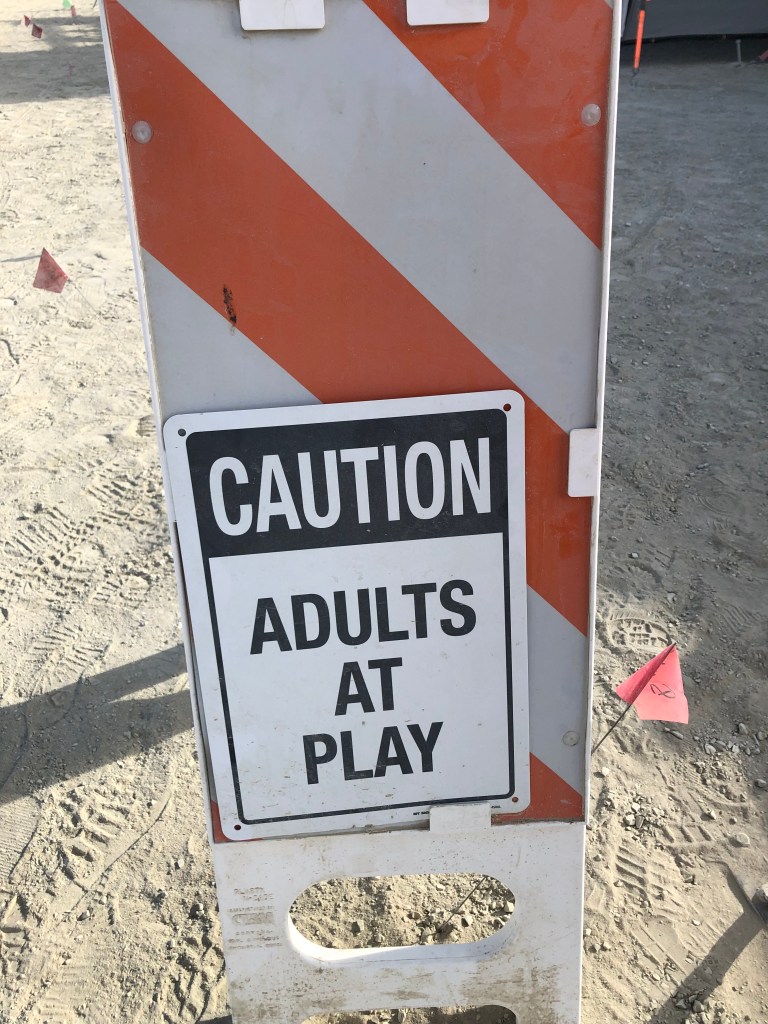
Burning Man 2019
Posted in Uncategorized | Tagged , , , , , , | Comments Off on Too many medical school graduates?!

What to do (?! )months before your medical degree is official? Medical students helping with the coronavirus pandemic

Me and a medical student at 2019 Burning Man sewing up a finger laceration. Skills, but no degree yet.

What to do with exquisite medical knowledge but without a medical degree yet? Due to the pandemic, medical student’s schooling has been turned on its ear. It is all hands-on-deck with patient care and medical students rotations have been curtailed, furloughed, stopped.

Here’s an article from our Dean Schwenk MD highlighting the medical students and physician assistant students efforts to help wherever needed. I am proud of the University of Nevada Reno School of Medicine and its ingenuity at this time of need.

https://med.unr.edu/news/archive/2020/med-students-volunteer

Posted in Uncategorized | Tagged , , , , , , | Comments Off on What to do (?! )months before your medical degree is official? Medical students helping with the coronavirus pandemic

How well did the influenza vaccine do this year?

I know we are hyperfocused on our current pandemia and rightfully so. I recently came across an article discussing the effectiveness of the influenza vaccine for this past season.

  • According to a Feb. 21 CDC Morbidity and Mortality Weekly Report, the current influenza vaccine has been 45% effective overall against 2019-2020 seasonal influenza A and B viruses.
  • Specifically, the flu vaccine has been 50% effective against influenza B and 37% effective against influenza A
  • This year’s vaccine substantially protected children and adolescents ages 6 months to 17 years, with 55% vaccine effectiveness seen in this population.
Posted in Uncategorized, Vaccines | Tagged , , , , , , | Comments Off on How well did the influenza vaccine do this year?

Kansas is thinking outside the box! Bringing in medical professionals to help.

I doctored in Kansas for 18 years. Kansas is a unified, medically- progressive state. I am proud of you!

https://www.bizjournals.com/wichita/news/health-care/coronavirus

Posted in Uncategorized | Comments Off on Kansas is thinking outside the box! Bringing in medical professionals to help.

How to leave Coronavirus behind when you come home

How to leave coronavirus behind when you come home

This is a spot-on article from a family medicine journal. I’m adopting ALL the tips in the hope that my husband and three kids don’t get the virus from me.

A selfie in the hospital parking lot. Ready for action!

Providing patient care during the COVID-19 pandemic means you and your family are at risk for exposure. The ideas below, compiled in consultation with family physicians from across the country and incorporating Centers for Disease Control and Prevention (CDC) guidance, describe how to limit the risk to your family as you return home at the end of your workday.

Monitor your health

  • Check your temperature twice a day. Watch for respiratory symptoms. Contact your local or state health department if symptoms develop.

Prepare for work

  • Consider wearing scrubs every day. Always have a clean set ready.
  • If you wear a white coat, wash it every day. I’m not wearing mine as I’d rather be able to wash my arms.
  • If you typically wear jewelry, a tie, a watch, or other nonessential accessories, leave them at home. This is first time in my 25 years of marriage that I haven’t worn my ring. It feels odd, but also makes me feel alerted to the viral danger. I asked my husband (who is also a physician) to not wear his either.
  • If you have medium or long hair, wear it pulled back. I am wearing it back, with a Wonder Woman scrub hat that a local sewer made for me and my inpatient physician team.
  • If you wear contacts, consider wearing glasses to decrease the need to touch your face and for the glasses to offer a physical barrier to the virus. I am opting for no makeup and glasses. This is not a beauty contest!
  • Prepare clean clothes and shoes to change into after work. Take them with you if you can change at work. I have opted to wear long johns and a tank top under my scrubs. I take off my scrubs at my car ( I have gotten some strange looks from passers-by)and put them in a washable bag. Then purell my hands and arms before getting in my car.
  • Remove nonessential items in your car, and stock the car with disinfecting wipes to make it easy to wipe down key surfaces after traveling home.
  • If taking mass transit, have hand sanitizer available and use it after touching any surfaces.
  • If you have extra disposable gloves, take them with you in case you need to touch potentially contaminated surfaces as you travel to work( like gas pumps). Be sure to carefully remove and dispose of them.

Before leaving work

  • If possible, shower and change into clean clothes and shoes before heading home.
  • Put dirty clothes and shoes into a bag for soiled clothing. Consider using a cloth bag you can wash along with your dirty clothes each day.
  • Wash your hands or use hand sanitizer after removing work clothes and before touching clean clothes.

When you arrive home

  • If you were unable to change clothes before leaving work, change in an isolated location (e.g., garage, mudroom, laundry room).
  • Do not wear shoes from work into your home. Clean them, top and bottom, with disinfecting wipes.
  • Wash clothes worn at work using your usual laundry detergent.
  • Wash or safely discard dirty clothes bag.
  • Wash hands after handling dirty clothes and shoes.
  • Shower before interacting with your family.
  • You may choose to isolate, if possible, from your family to limit their potential for exposure:
    • Identify a room and bathroom to be used exclusively by you. Have another family member leave needed food and items for you outside your isolation area so that you don’t have to move throughout your home to meet your needs. Consider using disposable plates, cups, and utensils.
    • If you are unable to use separate spaces from your family, attempt to maintain six feet from others in your home, and be sure to sleep alone.

Disinfect your home regularly

Stay safe. Stay home.

Posted in Uncategorized | Comments Off on How to leave Coronavirus behind when you come home

Physicians are disposable?!

Physicians are disposable?

Excellent article.

https://www.kevinmd.com/blog/2020/03/physicians-are-disposable-and-are-taken-for-granted.html

Posted in Uncategorized | Comments Off on Physicians are disposable?!

Want to boost your immune system?

Burning Man 2019 at dawn. Photo credit: Leslie Greenberg

Do you want to boost your immune system? I was recently asked “What was I doing to boost my immune system?” This got me thinking about what do we know about this… Here is my research.

The strength of our immune system is largely determined by modifiable factors. This means that you have the ability to change these factors. Lifestyle factors like stress, sleep, diet and exercise (as well as the germs we have been exposed to during our lifetime) all play a role in the strength of our immune response.

There is no magic pill or supplement or food that will irrefutably bolster your immune system and protect you from the new coronavirus. But you can take care of yourself to give your immune system the best chance to fight against a respiratory illness.

Lower your stress. Worrying will not help anything. Consider yoga or meditation. There are many free apps to help get you started: Inscape. Calm. Headspace. Consider talking to a therapist or a trusted friend to help release stress and feel more at peace.

Improve your sleep habits. Those who sleep less than 6 hours per night are 4 times more likely to catch a cold compared to those who sleep more than 6 hours per night. A sleep-deprived immune system doesn’t work as well as a well-rested one. Even if you are isolating at home or your work schedule has changed due to the pandemic, stick to a regular bedtime and wake schedule. Avoid tv or screens at bedtime. Don’t eat before bed as this can increase your symptoms of heartburn. Don’t exercise immediately before bed as most people find this activating and difficult to induce sleep.

Vitamin D may help. May. Some studies have shown no immune benefit from vitamin D but a metanalysis of 11,000 patients showed some protection against respiratory infections. These benefits may take months to work, but if you would like to try. Start now. Vitamin D3 is available over the counter. 2000 IU a day is a routine dose. In the current times of the pandemic, I would NOT suggesting get a lab order to check your vitamin D level. You can find vitamin D in salmon (and other fatty fish), milk or vitamin-D fortified foods. Sun exposure can also increase our vitamin D in our bodies, but most of us are covered in clothing and do not get sufficient amount solely from the sun.

What else can you do to help booster your immune system? Avoid excessive alcohol consumption. Men drinking more than 14 drinks per week, or women more than 7 per week is considered excessive. This amount of alcohol may impair immune function, alter your gut microbiome, and damage the lungs. Also, avoid binge alcohol intake.

Eat a balanced diet, exercise and skip unproven supplements. I spoke with a patient recently who had started a handful of “immune booster” supplements and was suffering from gastrointestinal distress. I advised to stop the new supplements, which doubtful were going to help, and instead eat fruits, vegetables, and lean meats. Be healthful. It is unknown if garlic or elderberry or turmeric or oregano oil or ginger help significantly.

Should you take zinc? First ask yourself if you have a healthful diet and if so, you most likely get all the zinc needed from food. Zinc supplements and lozenges are popular. Zinc may reduce the duration of cold by about a day and, may reduce the number of upper respiratory infections in children. Nausea is a common side effect of taking zinc supplements.

Don’t smoke. Smoking never helps any part of the body and it certainly weakens the lungs ability to clear secretions and to exchange oxygen in the alveoli.

In summary, decrease your exposure to the coronavirus! This is the most important step. Stay home. Only leave to do truly necessary errands: seek medical care or buy groceries. Sleep 7 or more hours per night. Eat healthful foods. Stay calm. Wash your hands for 20 seconds frequently throughout the day. Don’t touch your face.

Posted in Uncategorized | Tagged , , , , , , , | Comments Off on Want to boost your immune system?