
Do you have trouble swallowing? Food getting stuck? What should you watch out for?

flickr.com/photos/woodwood/3834678022

The medical term for difficulty swallowing is dysphagia.

Dysphagia is a frequent occurrence and is often underreported.

Esophageal dysphagia feels like food cannot pass from the esophagus to the
stomach. There are a few conditions that cause this.

·        An esophageal lesion. Most commonly this occurs
before the entrance of the stomach.

·        Gastroesophageal reflux disease (GERD). If it
feels like food gets stuck after swallowing, this may be caused by GERD. Patients
may need to chase rice or meat down with water to help the food bolus pass into
the stomach.

·        Eosinophilic esophagitis. This is a common
condition when increased eosinophils are present in the GI tissues. Eosinophils
are white blood cells that are increased in response to an allergen. So, food
allergies may increase the eosinophils in the esophageal tissue and cause pain
and difficulty passing food into the stomach.

What are red-flag symptoms?

  • vomiting
  • vomiting blood
  • unintentional weight loss
  • history of tobacco or alcohol abuse
  • exquisite pain


If there are NO red-flag symptoms an exam should be performed to rule out thyroid goiter or mass. The patient may be started on a proton-pump inhibitor (PPI) like omeprazole daily for a month. If symptoms
completely resolve, then continuation of the medication is a good plan. If symptoms remain after a month of treatment, GI consult is warranted.

If there are red-flag symptoms, the patient should see a gastroenterologist, a GI doctor, for evaluation and possible endoscopy. Endoscopy is when a camera is maneuvered inside the GI tract.  An esophagogastroduodenoscopy (EGD) is the endoscopic procedure that would be done in this case in which a camera is put down the mouth, through the stomach, and into the first part of the
small intestine. The physician can see the walls of that part of the GI tract
and evaluate for inflammation or ulcers or masses. Biopsies may be taken to
show what is going on at the cellular level. The pathology physician is the one
who looks at the biopsies to comment about the cells.

A similar condition to dysphagia (difficulty swallowing) is oropharyngeal
dysphagia.  This feels like difficulty
initiating a swallow. It can also present as coughing, food going “down
the wrong tube” or choking. The patient may have a neurologic condition:
dementia, Parkinson’s or a stroke. Oropharyngeal dysphagia has the risk of
aspiration– where food goes into the lungs.
This can cause respiratory distress and lung infections.


I hope this helps.
Posted in Uncategorized | Tagged , , , , , , , , , , | Comments Off on Do you have trouble swallowing? Food getting stuck? What should you watch out for?

Prediabetes. Is this diagnosis important? Helpful? Harmful?

Prediabetes.  Is this diagnosis important? Helpful? Harmful?

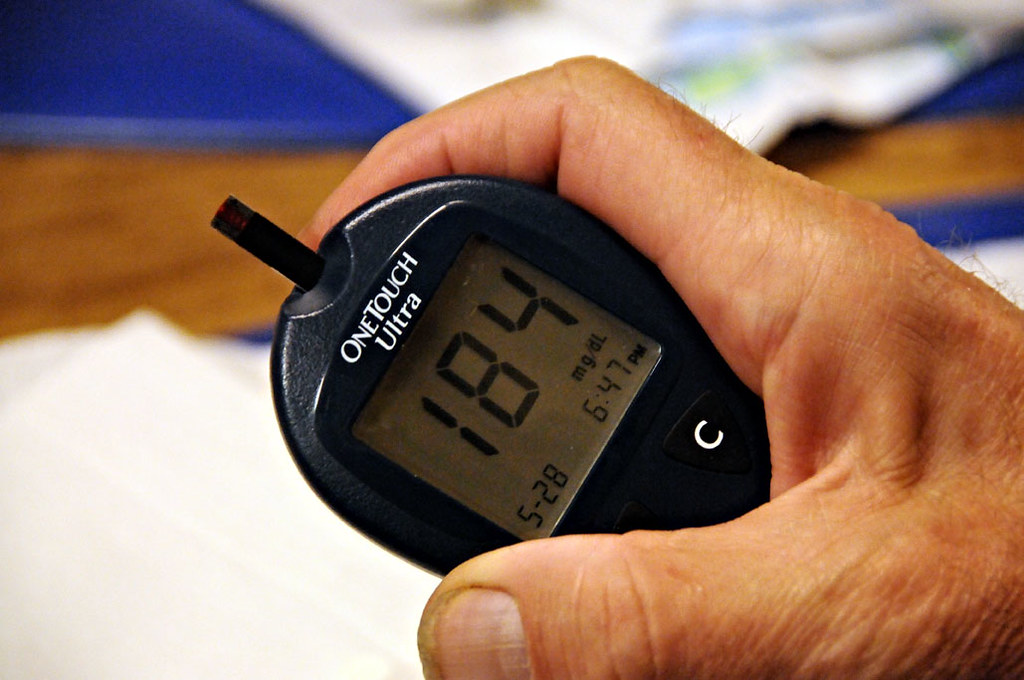
Before 2004, hyperglycemia (elevated blood sugars) was not considered significant.  The American Diabetes Association began in 2004 labeling elevated blood sugars of prediabetes to increase awareness and prompt physicians and patients to act. 

What constitutes a diagnosis of prediabetes? Fasting blood sugars between 110 and 125 or a hemoglobin A1c between 6-6.4%.  In 2010 the ADA lowered these thresholds to fasting blood sugar of 100 to 125 and A1c between 5.7 to 6.4$.  In 2017 an estimated 352 million adults had prediabetes or 7.3% of the world’s population. 

What is the rate of progression from prediabetes to diabetes?  Rate of conversion of 5 to 10% within one year, 25% within 4 years, and 70% of those with prediabetes diagnosis convert to diabetes. 

Treatment:  The question is DO we need to treat?  One review showed that to prevent one case of prediabetes from turning into diabetes within 3 years, 7 people need to participate in intensive lifestyle modification with weight loss and exercising.  There is a great cost of prolonged weight loss coaching.  The use of metformin prescription reduces the conversion to diabetes (but studies show that 14 prediabetics need to take metformin to avoid one patient from converting to diabetes).

Is there a harm of a diagnosis of prediabetes?  Prediabetes may be considered a diagnosis of questionable clinical significance.  Due to this the diagnosis could cause psychological distress and lead to additional testing, increased physician visits, and overtreatment. 

What to do?  Eat a healthy diet rich in vegetables, fruits, and lean meats. Do moderate exercise 30 minutes most days of the week.  Don’t smoke.  Maintain a normal weight meaning BMI between 20-25.

Posted in Uncategorized | Tagged , , , , , , , , | Comments Off on Prediabetes. Is this diagnosis important? Helpful? Harmful?

Do you have green toenail discoloration?

flickr.com/photos/eclib/4973434171

Do you have green toenail discoloration?

Green toenail discoloration is also called green nail syndrome.  This results from a pseudomonas infection. 

Predisposing factors for green nail syndrome:

  1. Tinea infection of the nails (because it alters the nail plate making the nailbed more susceptible to pathogens)
  2. Infection of the skin around the nails.
  3. Working as a barber, dishwasher, janitor, baker, or nail salon (because of water and chemical exposures)
  4. Use of artificial nails and nail polishes

Do you need additional testing to confirm the diagnosis?  It is a clinical diagnosis.  No labs are needed to confirm the diagnosis.

What is the treatment?  Trim the nails. Keep nails dry.  Avoid trauma to the toe.  Home treatments like vinegar soaks or diluted chlorine bleach are not known to be effective.  Topical antibiotics can be applied to the nail bed. Occasionally the nail needs to be removed.  Oral antibiotics can be used for severe infections.

Posted in Uncategorized | Tagged , , , , , , , , | Comments Off on Do you have green toenail discoloration?

Hepatitis C. What you should know?

How many have hepatitis C?  It’s estimated that there are 3.7 million in the US with hepatitis C.  The incidence of acute hepatitis C infection quadrupled (!) between 2010 and 2018.  Only 52% of those with chronic HCV know they have it and only 37% have received treatment. 

How to screen for hepatitis C?  A blood test.  Any physician can order this.  The U.S. Preventive Services Task Force recommends one-time HCV screening in all adults aged 18 to 79 years.  In adults with ongoing risk factors, period blood work screening is suggested.

What are risk factors for hepatitis C?

  • Infants born to mothers with hepatitis C
  • Men who have sex with men
  • Incarceration
  • Hemodialysis
  • Blood transfusion before 1992
  • People with HIV or hepatitis B infection
  • Unexplained chronic liver disease

What is chronic hepatitis C?  Chronic HCV is after 6 months of infection.  HCV is often insidious with few symptoms.  Patients can get liver fibrosis, cirrhosis and liver cancer from HCV.  25% of patients with chronic HCV develop cirrhosis, although it routinely takes 25-30 years to develop. 

What is HCV treatment?  Antiviral therapy. These are prescribed by GI doctors.  There are multiple FDA-approved “pangenotypic” direct-acting antiviral treatments. Only 2% of patients discontinue treatment due to adverse effects from the antivirals.

If you have hepatitis C. Avoid all herbal and dietary supplements should be stopped. Avoid alcohol.  Tylenol use should be at 2000 mg or less daily. 

For now, it is best to know if you have hepatitis C. There is effective treatment to cure this infection.

Posted in Uncategorized | Tagged , , , , , , , | Comments Off on Hepatitis C. What you should know?

Do you really need that pap? See the updated cervical cancer screening guidelines.

flickr.com/photos/e n321/55331295/
flickr.com/ photos/en321/55331295/

Updated cervical cancer screening guidelines.  Do you really need that pap?

Why test for cervical cancer?  4000 patients still die annually from cervical cancer.  This is dramatically decreased compared to the 1950s, but racial and socioeconomic disparities continue to contribute to this number as our undocumented and uninsured may not have routine preventive care.

What is the best screening test? In 2018 the US Preventive Services Task Force (USPSTF) recommended testing for human papillomavirus WITHOUT cytology (meaning without a pap) as an option for cervical cancer screening for women 25 years and older.   Despite this recommendation, physicians often still perform a pap with HPV testing every 3 to 5 years, depending on the woman’s age.

What about women who have had the HPV vaccines?  In vaccinated patients, abnormal pap results are usually caused by HPV types with a low cancer risk.  The HPV vaccines are meant to vaccinate against the subtypes of HPV that are known to cause cells on the cervix to change from normal cells to cancerous ones.

When to stop doing paps?  If a patient has had a normal pap smear before, women can stop having paps at age 65.  Testing beyond age 65 in previously screened patients adds little benefit or life expectancy.  If the woman had been diagnosed with grade 2 or greater cervical dysplasia within the past 25 years and has had a normal pap within the past 10 years, she too does not need another pap after age 65.

I urge that you see your physician yearly for a well adult visit and you two can have a conversation about which test would be best for you.

Posted in Uncategorized | Tagged , , , , , , , , , | Comments Off on Do you really need that pap? See the updated cervical cancer screening guidelines.

Mobility devices. WHICH is best for WHOM?


Mobility devices are used by nearly 30% of adults 65 years and older when OUTside the home and 26% use them INside the home. These devices often help decrease the risk and the fear of falling in older adults. Assistive devices can improve balance, increase mobility and confidence, reduce pain and decrease the risk of falls. When a fall causes a hip fracture, this is especially harmful in that hospitalization, surgery, rehab and possibly long-term nursing home care may ensue. The patient may never return to independent living.

Canes: improve standing tolerance and help walking by off-loading a weak or painful leg. Canes are the least stable of all assistive devices. Cane-users must have sufficient upper body strength, balance and dexterity to use them safely.
Standard cane: Should only be used for minimal weight-bearing.
Offset cane: More supportive than a standard cane. Handgrip more comfortable than standard cane.
Quadripod/ 4-pronged cane: Larger base, stands on its own slightly heavier than other canes, may not fit on stairs.


Crutches: Not used much in older adults due to the upper body strength that is needed to appropriately use them.


Walkers: MANY older patients use walkers to help people with poor balance or those who cannot bear full weight on their legs. There are a few different kinds of walkers.
Two-wheel rolling walker: Easier to maneuver than a walk with no wheels.
Four-wheel rolling walker: Also called rollator. Best for those who need rest breaks due to lung or heart endurance issues. Least stable type of walker so patients need to NOT need to fully off-load their weight from a limb.


Wheelchairs: Best for those who lack the lower body strength, endurance, or balance for walking. Need to be properly sized and the patient educated to help avoid skin breakdown, pressure ulcers.
Manual wheelchairs: Patients need sufficient upper body strength and coordination to move and maneuver it.
Power chairs: For those who cannot operate a manual wheelchair. These may be hard for insurance to pay for.

I hope this helps.

Posted in Uncategorized | Tagged , , , , , , , , , | Comments Off on Mobility devices. WHICH is best for WHOM?

New test for inflammatory bowel disease!

New test for inflammatory bowel disease!

Photo by Sora Shimazaki on Pexels.com

Fecal calprotectin is a protein expressed by neutrophils (white blood cells).  The presence of fecal calprotectin is a sensitive indicator that the gastrointestinal tract is inflamed.  Conversely, the absence of fecal calprotectin is a good indicator that the bowel is not significantly inflamed. The US Food and Drug Administration (FDA) approved the use of testing for fecal calprotectin to help physicians diagnose inflammatory bowel disease in both children and adults.

Who should get tested?  Patients with gastrointestinal symptoms of pain, bloating, diarrhea, mucus in the stool in the past may have only had the option to have a colonoscopy with biopsies to diagnose Crohn’s disease or ulcerative colitis.  Now fecal calprotectin testing can be done.  If the test is negative, patients may not need a colonoscopy because the diagnosis of inflammatory bowel disease is unlikely (but not zero).

Posted in Uncategorized | Tagged , , , , , | Comments Off on New test for inflammatory bowel disease!

Does melatonin help older adults sleep?

Photo by Pixabay on Pexels.com

Does melatonin help older adults sleep?

Melatonin does (!) help older adults sleep.  It has been shown that melatonin preparations help people fall asleep faster, increase total sleep time, and slightly improve sleep efficiency.  Prolonged-release melatonin like ramelteon is thought to be helpful AND it does not increase traumatic accidents (head injuries, falls or motor vehicle crashes).

What are the guidelines?  American Academy of Sleep Medicine and the Choosing Wisely campaign both state that cognitive behavior therapy should be the primary treatment for chronic insomnia in adults.  This includes winding down before bed, only having sex or sleep in the bed, no blue lights or tv 30 minutes before bed.  The 2017 ASM guidelines gave a weak recommendation for starting ramelteon 8 mg nightly to help with chronic sleep-onset insomnia that did not respond well to cognitive behavior therapy.  Medications like Lunesta and ambien should be tried as a last resort.

I hope this helps.

Posted in Uncategorized | Tagged , , , , , , | Comments Off on Does melatonin help older adults sleep?

Alcohol Withdrawal syndrome. Can this be managed as an outpatient?

Photo by Charlotte May on Pexels.com

Alcohol Withdrawal syndrome.  Can this be managed as an outpatient?

Half of patients with alcohol use disorder who abruptly reduce or stop their alcohol intake develop signs or symptoms of alcohol withdrawal syndrome.

Why does alcohol withdrawal syndrome occur?  The central and autonomic nervous system are revved up and overactive and this can lead to insomnia, nausea, vomiting, tremors, hallucinations, agitation and anxiety.

What can occur if alcohol withdrawal is not treated?  Seizures, delirium tremens and occasionally death can occur. 

Who can be treated as an outpatient (not staying overnight in the hospital)?  Patients with mild to moderate withdrawal symptoms (without additional risk factors) can be treated as outpatients.  Mild symptoms can be treated with carbamazepine or gabapentin.  For more severe symptoms, benzodiazepines are first-line therapy.  Patients will need to be seen by their physician daily for up to 5 days after their last drink to monitor symptom improvement and evaluate the need for additional therapy.  

What else can help?  A 12-step program, like Alcoholics Anonymous, are more effective at helping patients remain abstinent up to 3 years than other forms of therapy.

Why should patients do inpatient withdrawal treatment?  –Unstable home situation or absence of caregiver support. — Other psychiatric conditions.  —Previous drinking more than 8 alcoholic drinks per day. —History of severe alcohol withdrawal symptoms less than 1 year ago. —Dependence on other addictive medications. —Unstable transportation situation.

Posted in Uncategorized | Tagged , , , , , , | Comments Off on Alcohol Withdrawal syndrome. Can this be managed as an outpatient?

Home blood pressure monitoring. Do you need it? How to do it?

https://www.flickr.com/photos/sharynmorrow/205306168

Home blood pressure monitoring. Do you need it?  How to do it?

Blood pressure is an important vital sign.  Blood pressures should routinely run less than 135/85.  Some patients only have high blood pressure in physician or dental offices.  This is called “white coat hypertension.”

How to best monitor your blood pressure? I urge patients to do home blood pressure monitoring.  This entails using an appropriately fitting upper-arm cuff on a bare arm, emptying the bladder, avoiding caffeinated beverages for 30 minutes before taking the measurement, resting for five minutes before taking the measurement., keeping both feet on the floor, uncross your legs while sitting, keep the arm supported, with the bp cuff at heart level, do not talk during the blood pressure test.

How many readings to take?  Ideally, take two bp readings in the morning and in the evening.  Separate the two bp readings by at least one minute.  Do this once a week and record the average of the top number and the average of the bottom number. 

Why do home blood pressure monitoring?  I tell patients that they live in their homes, not my office.  So, if the bp is only high in my office… that’s okay.  Home blood pressure readings can confirm the diagnosis of hypertension after an elevated office blood pressure reading.  

How to pick a good bp machine?  It should be validated and fully automated.  Choose an appropriately sized upper arm cuff.  Have bp machine store measurements.  To get a validated machine, look at https://www.validatebp.org   Wrist cuffs are less accurate and positioning of the cuff over the radial artery may be difficult. 

Will my insurance pay for my blood pressure monitor?  Maybe.  Ask your physician to write you a prescription, then call your insurance to find out if it is a covered benefit.

Ambulatory blood pressure monitoring is another way to check blood pressures.  This involves wearing a monitoring device for 24 to 48 hours.  The bp is measured at regular intervals while the patient is doing normal activities.  This method of monitoring is more thorough, but is not widely available outside of academic medical centers. 

Posted in Uncategorized | Tagged , , , , , | Comments Off on Home blood pressure monitoring. Do you need it? How to do it?