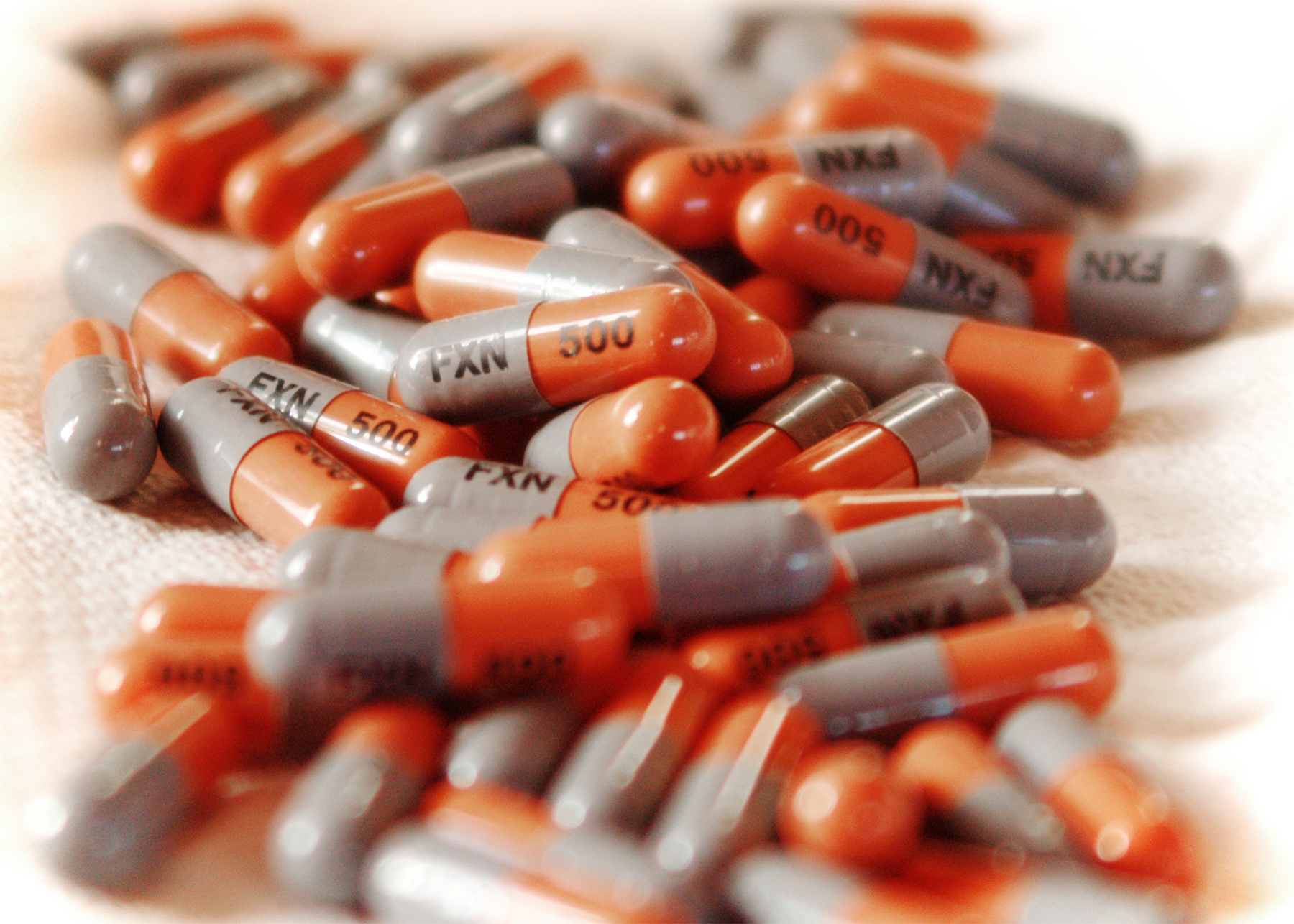
Do you have extra medicine lying around the house?

flickr.com /photos /essjay/ 5134563753

flickr.com /photos /essjay/ 5134563753

Storing expired or unwanted medications in the home poses a significant health risk to families.  In Kansas, state reporting shows 1 in 5 poisoning-related emergency department visits are in children 4 and younger.  Of these, 70% were caused by drug exposure.

The Kansas Medical Disposal Program was launched April 2012.  Before this there was no year-round method for Kansans to safely and conveniently rid their homes of uncontrolled medication.  The Kansas Department of Health and Environment Bureau of Waste Management website has a map so individuals and long-term care facilities can identify the closest drop-off location.

Law enforcement agencies host drug-take-back events annually to dispose of narcotics and controlled substances (examples are pain, anxiety, and attention-deficit disorder medicines).

The hope is that these programs will reduce the rate of injury and death due to unintentional drug poisoning.   It is not safe to dump medicines in a drain as medications generally bypass wastewater treatment facilities and can affect our water supply.

More information at http://www.kdheks.gov/waste/about_medwaste.html
Posted in General Medicine- Adults, medication issues, Uncategorized | Tagged , , , , , , , , , | Comments Off on Do you have extra medicine lying around the house?

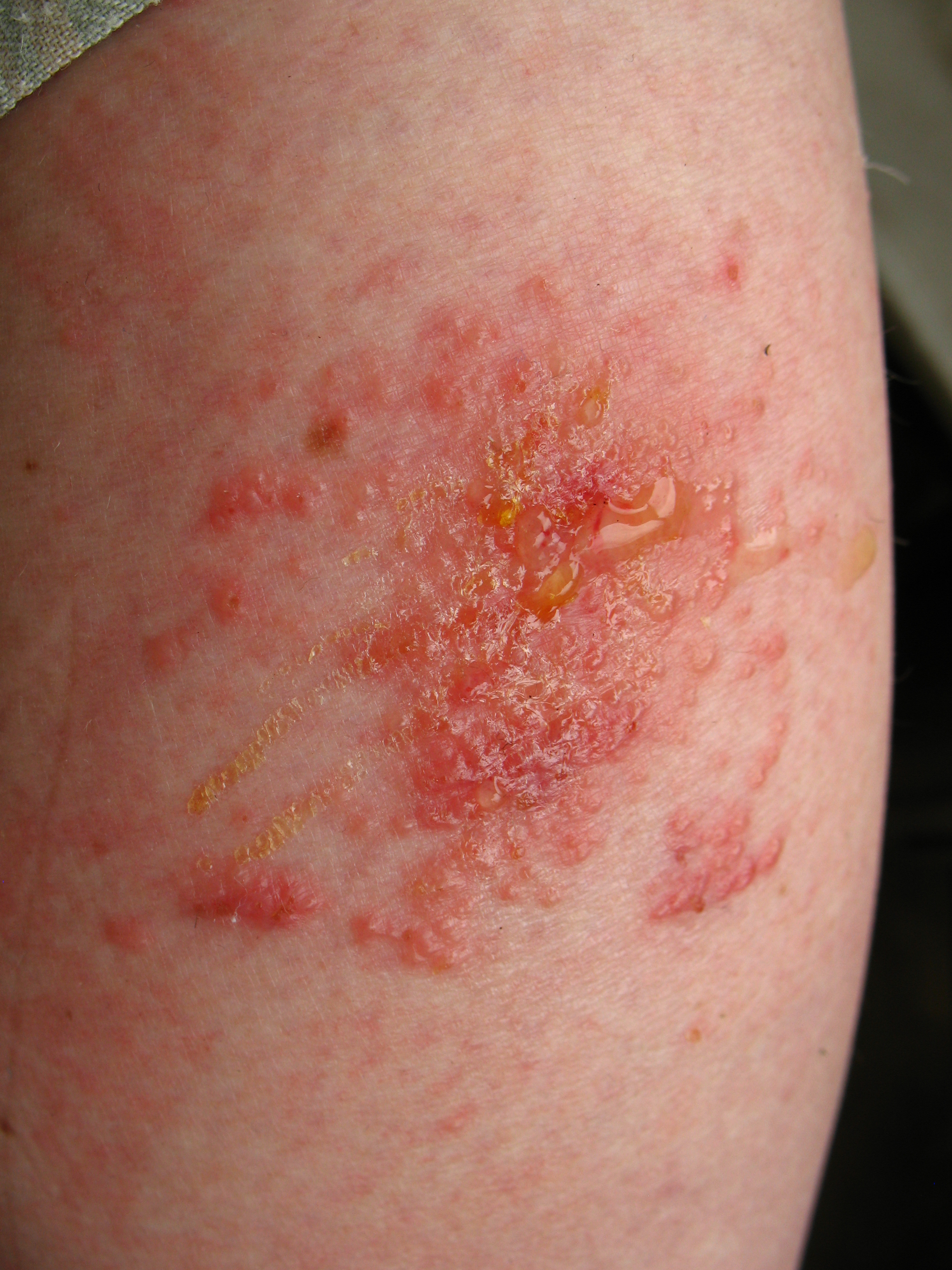
It’s HIVES season!

flickr.com/ photos/ vilseskogen/ 5996576130

flickr.com/ photos/ vilseskogen/ 5996576130

Poison ivy, oak and sumac are notorious for causing hives.  I’ve seen this a few times this week in my office.  The allergic reaction is due to urushiol, colorless oil in the leaves, stem, root and sap of the plant. When the urushiol is exposed to air it turns brown and will leave brown spots on the leaves.

How can you get exposed?  … lots of ways.

  • Direct contact with the plant
  • Breathing in the smoke of burning plants
  • Touching clothing that has been exposed
  • Touching an animal that has been exposed

What are the symptoms?  Intense itching, redness, blister formation, swelling.

How long does it take to have a reaction?  Symptoms typically occur after several hours to a few days after exposure to the plant oil.

How long does the reaction last?  A few days or up to three weeks.

To be certain of diagnosis and a treatment plan for you… see your doctor.

Are you contagious?  No.

  • The rash itself is not contagious.
  • The fluid that leaks from the blisters is not contagious.
  • The rash can only be transferred to another person if the oil is still on the body.
  • So, if you think you have had contact with one of these plants, clean all clothing, bedding and objects that the person has touched.

What is treatment?  How to get relief?  Benadryl, an antihistamine, can help cause sleepiness (which can feel like relief when you are itchy/scratchy).   Hydroxyzine may help more with itching and also cause sleepiness.  Calamine lotion and medications like Domeboro and Burrow’s solution can help decrease weeping of blisters and relieve itching.  Your doctor can prescribe steroid cream or pills which may be indicated if the rash is widespread.

How to avoid poison ivy?  “Leaves of three, leave them be.”  This means avoid the plants with three leaves on each stem as this is what they look like.  Wear long-sleeved clothing, pants, and gloves to protect your skin.  If you do come into contact with poison ivy, wash your skin immediately (within 15 minutes and don’t rub or scrub the skin.

Posted in allergies, allergies, Dermatology, Dermatology, General Medicine- Adults, Pediatrics, Uncategorized | Tagged , , , , , , , , , , , , | Comments Off on It’s HIVES season!

The red flags of back pain

flickr.com/ photos/ jenwaller/ 1796878810

flickr.com/ photos/ jenwaller/ 1796878810

“Red flags” is a term that we physicians use that causes us to ACT.  Frequently back pain will resolve within 2 weeks with conservative management (like rest, ice, over-the-counter pain medicine).  These red flags will be followed up with thorough physical exam and testing.

  • Older than 70 years of age
  • Neurologic problems with progressive or disabling symptoms
  • Patient with a history of immunosuppression
  • Prolonged use of steroids or known osteoporosis
  • Loss of control of bladder or bowel functions
  • Unexplained fever
  • Night pain
  • History of cancer or high suspicion of cancer
  • Intravenous drug abuse
  • Alcohol abuse
  • Recent trauma in patients older than 50
  • Unexplained weight loss.

See your doctor if your back pain does not go away. . . or immediately if you are having any of these red flags.

Hope this helps.

Posted in General Medicine- Adults, Uncategorized | Tagged , , , , , , , , , , | Comments Off on The red flags of back pain

Frequently I’m asked if “I should get my whole body scanned”

flickr.com/ photos/ donmeliton/ 2441292625

flickr.com/ photos/ donmeliton/ 2441292625

Sigh. . . the marketers do a very good job. They market for self-referral.  “The price is coming down. . . “ “Wouldn’t everyone like to know. . .? “  But, there are significant risks and I imagine it would be the rare person that would be relieved after a whole body scan.  In fact 80% of older patients will find at least one abnormality with the mean being three findings per patient.

Here are the risks:

  • Detection of “incidentalomas” which is what we call insignificant things in the body–found incidentally, but now we need to decide if we should biopsy or remove.
  • High false-negative rate (the scan misses something important)
  • High false-positive rate (for example, we find old scar tissue which looks like something concerning)
  • Increased rate of overdiagnosis
  • Overexposure to radiation (500-1000 times higher than routine chest x ray)
  • Physical damage caused by objects moving in soft tissue during magnetic imaging
  • Unnecessary examinations or biopsies
  • Unnecessary exposure to intravenous contrast (like barium)
  • Unnecessary patient anxiety (and who can blame you. . . you now know about physical conditions that may never affect you. . . or they might)

Here are some organizations recommending against whole body scanning

  • American Heart Association
  • American College of Radiology
  • American association of Physicists in Medicine
  • Health Physics Society
  • U.S. Food and Drug Administration
  • U.S. Preventive Services Task Force

Consider what information you’ll know that you can’t ever NOT know.

Posted in General Medicine- Adults, Uncategorized | Tagged , , , , , , , , , | Comments Off on Frequently I’m asked if “I should get my whole body scanned”

Sleuthing CDC-style

flickr.com/ photos/ auntiep/17135231

flickr.com/ photos/ auntiep/17135231

The Centers for Disease Control and Prevention (the CDC) is inviting all iPad users to help solve disease outbreaks—virually, that is.  So, if you have enjoyed the film “Contagion” or medical detective novels, this new app may be for you.

Three fictional outbreaks are based on real-life events. Users get clues, review data and make decisions in trying to identify the cause of the disease outbreak.

This is called “Solve the Outbreak” and is available free from the iTunes store.

Enjoy!

Posted in General Medicine- Adults, Uncategorized | Tagged , , , , , , , , , , | Comments Off on Sleuthing CDC-style

Early detection of lung cancer may be possible

Lung cancer is the leading cause of cancer mortality in the United States. It kills 160,000 people per year, accounting for 28% of all cancer deaths nationwide.  The 5-year survival is only about 15%, but when a lung cancer is diagnosed while still localized (not spread) the 5-year survival increases to over 50%.

The American Cancer Society recently issued guidelines for physicians to initiate a discussion about screening with low-dose computed tomography (LDCT) yearly in individuals 55-74 years of age who have smoked at least a 30-pack-year-history (like one pack per day for 30 years) who are either current smokers or have quit within the last 15 years.

LDCT will miss some lung cancers, will not detect some lung cancers early, and may not necessarily prevent death.  Private and public health care insurers are still working out if they will expand insurance coverage to include the cost of LDCT.

First and foremost, to decrease your lung cancer risk stop smoking!

Posted in Cancer, General Medicine- Adults, Uncategorized | Tagged , , , , , , , , , | Comments Off on Early detection of lung cancer may be possible

Honey as a treatment for cough

flickr.com/photos/ mamboman/1239785145

flickr.com/photos/ mamboman/1239785145

Over-the-counter cough medicines are often ineffective and may be harmful to children with cough. The FDA warns against cough and cold medicines for children under age 6. So, as an alternative to these medicines, a study was done to show if honey has anti-cough properties. Indeed, it does!

Honey, though, cannot be given for children under one year as it may cause botulism. But, 1 1/2 teaspoons of honey at bedtime may reduce the overnight cough of the child which can be sleep-disturbing for the whole family. It also decreases the need for parents to opt for over-the-counter cough medicines. Honey should not be given nightly for prolonged periods as it may increase the risk of cavities.

Hope this helps.

Posted in medication issues, Pediatrics, Uncategorized | Comments Off on Honey as a treatment for cough

Why doctors die differently?

The short answer would be that we have seen countless fruitless outcomes. As an example, the John Hopkins Precursors Study collated end-of-life decisions of 800 physicians graduating from Johns Hopkins between 1948 and 1964. Indeed this study was done a long time ago, but I feel it’s still pertinent today. Compared with 20% of the general public, 64% of physicians had an advanced directive (which tells us which life-saving procedures you’d like). Additionally, nearly 90% of the physicians did not want CPR if they were in a chronic coma. Only 25% of the general public stated they did not want CPR if they were in a chronic coma.

Physicians know that CPR rarely works. A 2010 study of 95,000 cases of CPR in Japan demonstrated that only 8% of patients who’d received CPR survived for more than one month. Only 3% of those lead “normal” lives.

Futile treatments are commonly performed. Often patients do not fully understand the risks and benefits of their therapy. One of my jobs is to delineate the risks and benefits. The patient can decide what they’d like done.

I believe we have an obligation to our patients to share with them the reality of the care they received. I check in with my patients to understand what is important to them.

  • Do they want every medical option available?
  • Is there an event they want to live long enough to attend?
  • Do they value comfort and quality of life above all else?

Questions to ponder.  And, let your family and doctor know your answers.

Posted in end-of-life issues, General Medicine- Adults, Uncategorized | Tagged , , , , , , , , , , , | Comments Off on Why doctors die differently?

More “pros” for probiotics!

Patients who are treated with antibiotics frequently get antibiotic-associated diarrhea (AAD). In fact, more than 1/3 of patients taking antibiotics develop AAD. In 17% of cases AAD is fatal (usually from pseudomembranous colitis). AAD can have several different pathogens like Clostridium difficile or Klebisella or Staph aureus causing GI symptoms. (FYI C. diff costs the US healthcare system $1.3 billion yearly).

Probiotics replenish the natural GI flora with nonpathogenic (meaning not-bad) organisms. Probiotics are considered food supplements, not medicines, so health insurance most likely will not reimburse. Most probiotics use combinations of Lactobacillus species which are found in over-the-counter antidiarrheal probiotic supplements. There is no standard dose and should be taken one to three times daily. The patient may consider staying on the probiotic for 1 to 3 weeks, or as long as the patient continues to take antibiotics.

Hope this helps.

Posted in colon, General Medicine- Adults, Uncategorized | Tagged , , , , , , , , , , | Comments Off on More “pros” for probiotics!

Gallstones

Ugh!  About 10-15 % of the adult US population gets gallstones.  If symptomatic, this leads to hospitalization and gallbladder removal.

What is the gallbladder?  It stores bile which is released by the gallbladder after a meal to help digest the food.  During a meal, the gallbladder squeezes bile into the small intestine to aid in digestion.

What are gallstones?  Just like in chemistry (which I recall from my early college days), when there is too much of a precipitate, it changes from a liquid to a solid.  80-90% of gallstones are made of cholesterol.  And, these solid gallstones can obstruct the bile duct.

What are gallstone symptoms?  80% of people with gallstones have no symptoms.  Gallstones may be found incidentally on ultrasound or CT scan.  Symptomatic patients experience abdominal pain occurring under the right ribs after a fatty meal.  Nausea, vomiting, right shoulder or back pain can also be present.  If the gallbladder becomes completely obstructed with gallstones, this may cause excruciating pain and require hospitalization.

How are gallstones diagnosed?  The best test is an ultrasound (just like looking at a baby on a prenatal ultrasound).

Who gets gallstones?  The way I was taught in medical school was forty, fat, and female and indeed these are all still risk factors today.  In addition, taking estrogen or rapid weight loss or diabetes are also risk factors.

How to treat gallstones?  It depends on the size and type of the stone.  Ursodiol is a medicine which at times can be used to dissolve cholesterol stones.  Surgery to remove the gallbladder is at times needed.  This is most often done laparoscopically (with instruments placed inside the abdomen through small incisions) which aids in fast recovery.  After the gallbladder is removed, some patients battle diarrhea and bloating.  Most of these symptoms resolve with time.

Hope this helps.

Posted in General Medicine- Adults | Tagged , , , , , , , , , , , | Comments Off on Gallstones