
I doctored in Kansas for 18 years. Kansas is a unified, medically- progressive state. I am proud of you!

https://www.bizjournals.com/wichita/news/health-care/coronavirus
I doctored in Kansas for 18 years. Kansas is a unified, medically- progressive state. I am proud of you!
https://www.bizjournals.com/wichita/news/health-care/coronavirus
This is a spot-on article from a family medicine journal. I’m adopting ALL the tips in the hope that my husband and three kids don’t get the virus from me.
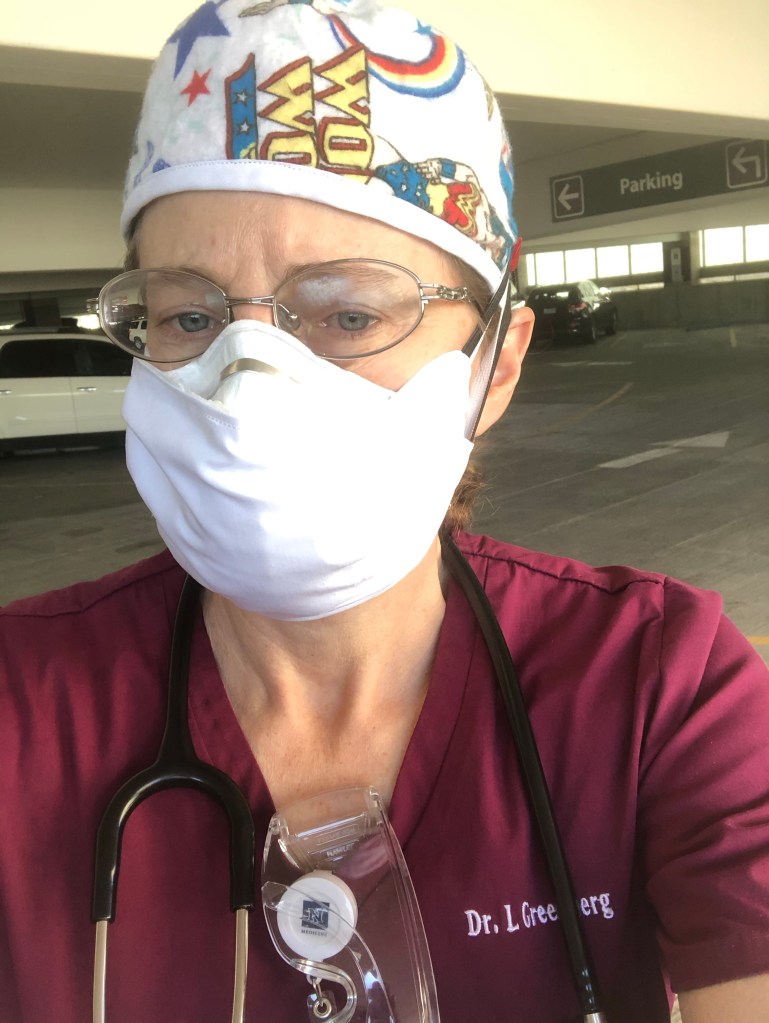
Providing patient care during the COVID-19 pandemic means you and your family are at risk for exposure. The ideas below, compiled in consultation with family physicians from across the country and incorporating Centers for Disease Control and Prevention (CDC) guidance, describe how to limit the risk to your family as you return home at the end of your workday.
Monitor your health
Prepare for work
Before leaving work
When you arrive home
Disinfect your home regularly
Stay safe. Stay home.
Physicians are disposable?
Excellent article.
https://www.kevinmd.com/blog/2020/03/physicians-are-disposable-and-are-taken-for-granted.html

Do you want to boost your immune system? I was recently asked “What was I doing to boost my immune system?” This got me thinking about what do we know about this… Here is my research.
The strength of our immune system is largely determined by modifiable factors. This means that you have the ability to change these factors. Lifestyle factors like stress, sleep, diet and exercise (as well as the germs we have been exposed to during our lifetime) all play a role in the strength of our immune response.
There is no magic pill or supplement or food that will irrefutably bolster your immune system and protect you from the new coronavirus. But you can take care of yourself to give your immune system the best chance to fight against a respiratory illness.
Lower your stress. Worrying will not help anything. Consider yoga or meditation. There are many free apps to help get you started: Inscape. Calm. Headspace. Consider talking to a therapist or a trusted friend to help release stress and feel more at peace.
Improve your sleep habits. Those who sleep less than 6 hours per night are 4 times more likely to catch a cold compared to those who sleep more than 6 hours per night. A sleep-deprived immune system doesn’t work as well as a well-rested one. Even if you are isolating at home or your work schedule has changed due to the pandemic, stick to a regular bedtime and wake schedule. Avoid tv or screens at bedtime. Don’t eat before bed as this can increase your symptoms of heartburn. Don’t exercise immediately before bed as most people find this activating and difficult to induce sleep.
Vitamin D may help. May. Some studies have shown no immune benefit from vitamin D but a metanalysis of 11,000 patients showed some protection against respiratory infections. These benefits may take months to work, but if you would like to try. Start now. Vitamin D3 is available over the counter. 2000 IU a day is a routine dose. In the current times of the pandemic, I would NOT suggesting get a lab order to check your vitamin D level. You can find vitamin D in salmon (and other fatty fish), milk or vitamin-D fortified foods. Sun exposure can also increase our vitamin D in our bodies, but most of us are covered in clothing and do not get sufficient amount solely from the sun.
What else can you do to help booster your immune system? Avoid excessive alcohol consumption. Men drinking more than 14 drinks per week, or women more than 7 per week is considered excessive. This amount of alcohol may impair immune function, alter your gut microbiome, and damage the lungs. Also, avoid binge alcohol intake.
Eat a balanced diet, exercise and skip unproven supplements. I spoke with a patient recently who had started a handful of “immune booster” supplements and was suffering from gastrointestinal distress. I advised to stop the new supplements, which doubtful were going to help, and instead eat fruits, vegetables, and lean meats. Be healthful. It is unknown if garlic or elderberry or turmeric or oregano oil or ginger help significantly.
Should you take zinc? First ask yourself if you have a healthful diet and if so, you most likely get all the zinc needed from food. Zinc supplements and lozenges are popular. Zinc may reduce the duration of cold by about a day and, may reduce the number of upper respiratory infections in children. Nausea is a common side effect of taking zinc supplements.
Don’t smoke. Smoking never helps any part of the body and it certainly weakens the lungs ability to clear secretions and to exchange oxygen in the alveoli.
In summary, decrease your exposure to the coronavirus! This is the most important step. Stay home. Only leave to do truly necessary errands: seek medical care or buy groceries. Sleep 7 or more hours per night. Eat healthful foods. Stay calm. Wash your hands for 20 seconds frequently throughout the day. Don’t touch your face.

What is “Match Day” for medical students? Match Day is a monumental milestone for all graduating fourth-year medical students. There are almost 12,000 residency and fellowship training programs in the US. There are 20,000 medical students graduating with MDs yearly. The match process matches the medical students with the specialties and destination of choice. First there is an application and interview season (October – January) and all training programs create a rank list. This lists the medical students from most desirable to least. AND, each medical student applicant makes creates a ranked list of their desired training programs.
How does the match happen? A computer (with a Nobel Prize winning algorithm) matches medical students and program interest. The algorithm favors the student’s choice. On Match Day, the results are known by all. Nearly 75% of students receive one of their first three choices.
What happens if a medical student wants to match with another medical student? This was the case with my now-husband and me 25 years ago. We “couples matched.” This adds an additional level of difficulty where an even more complicated algorithm balances the training objectives of the two students. The students each decide which medical specialty they want to train in and how far apart they are willing to live. This is all reflected in their joint match lists.
When is Match Day? Friday, March 20th. Every medical student in the country has their “reveal” time at the same time. Noon Eastern Standard Time and 9 am here in the West.
Medical school is actually the beginning of a physician’s education. Physicians train for an additional 3-10 years AFTER medical school, depending on their specialty.

Add this to one more medication that may cause birth defects… There is a study just released with over 100,000 patients which shows that when macrolides (antibiotiocs like erythromycin, azothromycin, and clarithromycin) are used in the first 13 weeks of a pregnancy, may increase birth defects.
Compound this with the thought that most women do not know they are pregnant until they miss 1-2 menstrual periods. So, I urge you to be aware of your menstrual calendar when your physician prescribes you antibiotics.
And, while you are thinking of it, take a prenatal vitamin daily. It’ll help the fetal spinal cord and may make you feel better.
Want to review the study? https://www.bmj.com/content/368/bmj.m331

Exercise has benefits!
Move your body!
25% of adults are sedentary. Lack of exercise is one of the top modifiable risks to decrease cardiovascular disease.
Exercise can be split up throughout the day. Aim for 20 minutes of moderate exercise every day. This can be a walk around the block… or walk from the far end of the parking lot.
How to build this into your day? Make a plan! Have gym shoes in your car ready to go. Like to listen to music or podcasts? Pair your exercise with something you enjoy and have your headphones ready. Bad weather coming? Have a backup plan (walk the mall or big box store). Need a partner? Make a standing date with a friend or get a dog! Make it convenient: get a treadmill desk or pace when talking on the phone. Do you want to monitor your progress? Get a tracker.
What kind of exercise is beneficial? 3 different kinds of exercise are beneficial: aerobic, resistance, and stretching.
Most benefit is from going from zero to SOME exercise. This will impact your overall health. Get a move on….
https://vocal.media/journal/you-died-by-suicide
Please read. It’s worth it!
Why is it important to eat a healthy diet? Eating the right foods can keep you healthy now and later on in life.
Which foods are especially healthy?
●Fruits and vegetables – Eating fruits and vegetables can help prevent heart disease and strokes. Fruit may also help prevent certain types of cancers. Try to eat fruits and vegetables at each meal and for snacks. If you don’t have fresh fruits and vegetables, frozen or canned ones can be substituted. Physicians recommend at least 2 1/2 servings of vegetables and 2 servings of fruits each day.
●Foods with fiber – Eating foods with a lot of fiber can help prevent heart disease and strokes. Fiber can help control your blood sugar. Foods with a lot of fiber include vegetables, fruits, beans, nuts, oatmeal, and some breads and cereals. You can tell how much fiber is in a food by reading the nutrition label. Physicians end eating 25 to 36 grams of fiber each day.
●Foods with folate – Folate should be taken by all females of child-bearing age. Folate helps the fetus form an intact spinal cord. Folate is found in many breakfast cereals, oranges, orange juice, and green leafy vegetables.
●Foods with calcium and vitamin D – Babies, children, and adults need calcium and vitamin D to help keep their bones strong. Calcium and vitamin D helps to prevent osteoporosis. Osteoporosis is a condition that causes bones to get thin and break more easily than usual. Often we don’t get enough calcium and vitamin D in our diets and a supplement may be needed. Supplements are pills, capsules, liquids, or tablets that have nutrients in them.
●Foods with protein – Protein helps your muscles stay strong. Healthy foods with a lot of protein include chicken, fish, eggs, beans, nuts, and soy products.
Some experts recommend a “Mediterranean diet.” This involves eating a lot of fruits, vegetables, nuts, whole grains, and olive oil. It also includes fish, poultry, and dairy products, but not much red meat. Eating this way can help your overall health, and may lower your risk of having a stroke.
What foods should I avoid or limit? To eat a healthy diet, there are some things you should avoid or limit. They include:
●Fats – There are different types of fats. Some types of fats are better for your body than others.
Trans fats are especially unhealthy. Avoid margarines, many fast foods, and some store-bought baked goods. These can raise your cholesterol level and thereby increase your chance of getting heart disease.
The type of “polyunsaturated” fats found in fish seems to be healthy and can reduce your chance of getting heart disease. Other polyunsaturated fats might also be good for your health. When you cook, choose oils with healthier fats like as olive oil and canola oil.
●Sugar – Limit or avoid sugar, sweets, and refined grains. Refined grains are those in white bread, white rice, most pasta, and packaged “snack” foods. Whole grains, like whole-wheat bread and brown rice, have more fiber and are better for your health.
Avoiding sugar-sweetened beverages, like soda and sports drinks, can also help improve your health.
●Red meat – Red meat can increase your risk of certain health problems, including heart disease and cancer.
Can I drink alcohol as part of a healthy diet? People who drink a small amount of alcohol each day might have a lower chance of getting heart disease. But drinking alcohol can lead to problems. Men should drink 2 or less drinks on average per day, women 1 drink.
How many calories do I need each day? The number of calories you need each day depends on your weight, height, age, sex, and your activity level.

Do you suspect dementia in your loved one? There are many ways to investigate if dementia is present.
Your physician may give a screening test like the Mini Cog, the General Practitional Assessment of Cognition, or the Ascertain Dementia 8-item informant questionnaire. These will help determine if further investigation is needed.
Blood work may also be needed to rule out other causes of mental confusion. A blood count to rule out anemia, Vitamin B deficiency, hypothyroidism, vitamin B12 deficiency, diabetes, and liver and kidney insufficiency/failure. To view the brain, magnetic resonance imaging (MRI) without contrast is the preferred test to exclude other intracranial abnormalities such as stroke, normal-pressure hydrocephalus, subdural hematoma (blood pooling in the brain) or a mass.
Investigate the confusion, it may be treatable.
 Dr. Leslie Greenberg's Blog
You must be logged in to post a comment.