I have been asked this a LOT in the office recently. And, then, into my inbox from the American Academy of Family Physicians an article illuminated this issue.
COVID-19 Vaccine Update (June 2025)
The COVID-19 vaccines in the U.S. still help protect people from getting very sick, even with new versions of the virus like Omicron JN.1.
These vaccines don’t stop all infections, but they help keep people out of the hospital.
The protection from the shot is strongest in the first few months and then slowly wears off over time.
What the research shows:
People who got the new 2024–2025 COVID vaccine were:
33% less likely to go to the emergency room for COVID.
45–46% less likely to be hospitalized if they were age 65 or older and not immune-compromised.
40% less likely to be hospitalized if they were age 65+ and had weaker immune systems.
What doctors and scientists recommend:
Everyone 6 months and older should get the 2024–2025 COVID vaccine.
The shots help the most with stopping serious illness, even if they don’t always stop mild symptoms.
Why it still matters:
Older vaccines (like the XBB.1.5 version) didn’t last very long and didn’t stop infections well.
The newer vaccine works better, but protection still fades, so updates will keep being needed.
The American Academy of Family Physicians urges you to take action to support access to and public trust in vaccines, one of the most effective public health interventions in history.
In a deeply concerning move, Health and Human Services (HHS) Secretary Robert F. Kennedy Jr. has dismissed all 17 members of the Centers for Disease Control (CDC) Advisory Committee on Immunization Practices (ACIP), the expert panel responsible for making science-based vaccine recommendations for the nation.
This unprecedented action threatens to undermine decades of progress in vaccine safety, efficacy, and public trust. At the same time, HHS has announced changes to COVID-19 vaccine recommendations for children and pregnant women. These developments make it more urgent than ever to remind Congress that vaccines are safe, cost-effective, and essential to protecting public health.
Routine childhood vaccinations between 1994 and 2023 have prevented approximately 508 million cases of illness, 32 million hospitalizations, and over 1.1 million deaths. These efforts have saved the U.S. health care system an estimated $540 billion in direct medical costs and $2.7 trillion in broader societal costs.
Vaccines save lives. That’s why the AAFP supports universal access to immunization regardless of socioeconomic or insurance status and opposes efforts by the administration to undermine access to and confidence in vaccines.
Using Democracy.io gives you a quick, targeted way to speak directly to key federal officials with minimal effort. Urge them to publicly support vaccine safety and science-based recommendations, oppose efforts that politicize or dismantle trusted public health institutions, and champion initiatives to combat vaccine misinformation and disinformation.
As a family physician, I love vaccines! Vaccines are among the safest and most effective tools modern medicine has to prevent serious illness. I’m increasingly concerned by a trend in clinics while talking with patients: vaccines are becoming harder to access—either because of availability or insurance coverage limitations.
This is a troubling development, as many critical vaccines are needed in adolescence and adulthood, not just in childhood. Delays or inability to get vaccines due to cost or supply issues may leave patients vulnerable to preventable diseases like HPV-related cancers, pneumonia, and shingles.
Let’s review what the Centers for Disease Control and Prevention (CDC) recommends for individuals age 11 and up, and why timely vaccination is so important.
🔹 CDC-Recommended Vaccines (Age 11 and Older)
Age 11–12:
Tdap (Tetanus, Diphtheria, Pertussis): One-time dose, followed by a Td or Tdap (which has both tetanus and pertussis vaccines) booster every 10 years.
HPV Vaccine Series (Human Papillomavirus): A Two-dose series for ages 9–14 or it’s a three-dose series if starting at age 15 or older.
Meningococcal Conjugate Vaccine (MenACWY): First dose at age 11–12. Booster dose at age 16.
Age 16–18:
Meningococcal B Vaccine (MenB): Shared decision-making for ages 16–23, ideally before college or before joining the military.
Age 19–49:
Flu Vaccine (Annually): For everyone age 6 months and older. This helps you not die from the flu infection.
COVID-19 Vaccine: Stay up-to-date with current recommendations, including updated boosters.
Td or Tdap Booster: Every 10 years.
Age 50–64:
Shingrix (Shingles vaccine): Recommended starting at age 50, regardless of prior shingles history. Two-dose series with the vaccine 2 months or more apart.
Pneumococcal Vaccines: Is now recommended at age 50.
Age 65 and older:
Pneumococcal Vaccine (PCV20 or PCV15 + PPSV23): One dose at age 65 or older if not previously received.
Continue annual flu vaccine, COVID-19 boosters, and maintain Tdap schedule.
🔹 Why Vaccine Access Matters
The cost of HPV, Shingrix, and pneumococcal vaccines can be substantial—hundreds of dollars out-of-pocket—if not covered. While the Vaccines for Children (VFC) program helps cover vaccines for those under 19, adults often face more fragmented support.
🔹 What You Can Do
Check your vaccination record and ask your healthcare provider what you’re due for. Don’t wait! Just get them!
Contact your insurance company to confirm which vaccines are covered and where to get them.
Advocate for access—tell your insurer, pharmacist, or clinic if you’re having trouble obtaining a recommended vaccine.
As your family doctor, I want to make it easy—not harder—for you to stay healthy. Vaccines work best when they’re available, affordable, and up to date. Let’s protect each other and speak up when those protections are at risk.
Stay curious – Medicine evolves. I tell the medical students that half of what we learn in medical school we thereafter find out is wrong. The real question is which half is wrong? And, what is the right answer. Overall, keep learning and stay updated.
Care for yourself – How can you care for others if you’re ignoring your physical or mental wellbeing?
Protect your time – Learn to say no. Boundaries are essential to avoid burnout. Get household help, if needed.
Don’t chase perfection – Strive for excellence. Perfectionism can paralyze progress and self-compassion.
Listen more than you talk– Patients will tell you what’s wrong if you let them talk. I often start my visit asking the patient “How’s life?” It lets me get to know my patients and they share what they want to share.
Document thoroughly but efficiently – Good notes protect you legally and help others care for your patients. I type as fast as I talk, which has helped finish my patient notes in a timely fashion.
You can’t save everyone – Accept your limits. Focus on providing the best care, not on outcomes beyond your control. Meet your patients where they want to be. I cannot hand the patients the medication I suggest. Truly, I give advice and the patient can do what they want.
Cultivate empathy – Treat each patient with grace. It’s healing for both of you.
Trust your clinical instincts – Pattern recognition and gut feelings are tools honed with experience. Respect them.
Don’t neglect your homelife– Your loved ones need your time and attention just as much as your patients. I always bring my cell phone into a patient room. If my husband or kids call, I ask the patient first and then I answer the phone. Sometimes it is “Where is my backpack?” or “Mom, I was just in a car accident.”
Get out of debt – Financial stability later allows you freedom and peace of mind. Live below your means.
Find mentors and be one – Learn from those ahead of you, and lift those coming behind.
Practice gratitude – Even on hard days, appreciate what a privilege it is to do this work.
Take breaks seriously – Regular rest isn’t indulgent—it’s essential. I will often ask a colleague to cover my “inbox” when I am out of town.
You will make mistakes – Own them, learn, apologize when needed, and move forward.
Know your “why” – Reconnect with what brought you to medicine when times get tough. I truly love to teach medical students and new physicians… it is a joy.
Don’t delay seeking help – For burnout, depression, or anxiety—ask for help early.
Medicine is a team sport – Respect nurses, techs, therapists, and all who make care possible. Everyone on the healthcare team has a role.
Keep hobbies alive – Your identity is more than just being a doctor. As I consider how I wind down my practice, I am figuring out what I like to do, who I like to spend time with and I thoughtfully, incrementally, am adding them to my life.
Celebrate small wins – The impact you make isn’t always visible, but it matters.
Diverticulosis is a common condition affecting the large intestine in which small pouches, called diverticula, form in the colon wall. This occurs as the wall of the intestine has weak spots that when pushed against with stool, bow out. While it is often asymptomatic, it can lead to complications like diverticulitis when inflamed or infected.
One common question is: Do nuts and seeds, increases the risk of diverticulitis? Recent research gives reassuring insights.
A study published in the Annals of Internal Medicine analyzed dietary habits from nearly 30,000 U.S. women aged 35 to 74 over a 19-year period (2003 to 2022). The data showed no significant link between the intake of nuts, seeds, or popcorn and an increased risk of diverticulitis. This suggests that nuts and seeds are not only safe for those with diverticulosis but may even offer health benefits due to their fiber, healthy fats, and essential nutrients.
The Role of Diet in Managing Diverticulosis and Preventing Diverticulitis
While nuts and seeds appear safe, adopting a high-fiber diet remains one of the most effective ways to prevent diverticulitis and promote overall colon health. Fiber adds bulk to the stool, reducing pressure on the colon walls and lowering the risk of pouch formation or inflammation. High-fiber foods include:
Staying well-hydrated is essential. Water softens the stool, so it is easier to pass and reduces the risk of constipation—a common trigger for diverticulitis flare-ups. The American Gastroenterological Association (AGA) recommends aiming for at least 25 to 30 grams of fiber per day for adults, accompanied by 8 to 10 cups of water daily to ensure the fiber can work effectively.
Managing Constipation: A Key Component of Diverticulosis Care
Constipation is a common concern for individuals with diverticulosis. According to the AGA’s guidelines for managing constipation, the following steps can be helpful:
Increase Dietary Fiber: Gradually increase fiber intake to the recommended 25 to 30 grams per day.
Stay Hydrated: Drink sufficient water to support proper digestion and stool formation.
Consider Fiber Supplements: If dietary changes alone are insufficient, fiber supplements can help. Psyllium often causes increased gas, so be aware of that side effect while your gut gets used to it.
Limit Processed Foods: Reduce intake of low-fiber, processed foods that can contribute to constipation.
The consensus statement from sleep medicine physicians is that sleep medications should not be a chronic therapy, especially for children.
Some hints about melatonin
Melatonin. There is no FDA-approved melatonin. Because of this, the amount of melatonin in each tablet/gummie can vary. Read the following compilation of studies on melatonin:
If you buy melatonin, consider buying a pharmaceutical grade melatonin with a “USP-certified” medication.
A small dose of 1-5 mg is sufficient. A stronger dose will not help.
Take melatonin 3-4 hours before you want to go to sleep (because it takes that long to work)
I understand that vaccines are a touchy subject. But, as a 30-year family medicine physician, I LOVE vaccines! They decrease infection and save lives. Do I sound like a cheerleader?
A recent study found that people who get the shingles vaccine may have a lower risk of heart disease. The research looked at over a MILLION people aged 50 and older in South Korea. It found that those who got the vaccine had a 23% lower risk of heart problems like stroke, heart failure, and coronary heart disease. This protection lasted for up to eight years.
Shingles is a painful rash caused by the varicella zoster virus, the same virus that causes chickenpox. After a person has chickenpox, the virus can stay in their body and reactivate later as shingles. The rash can start in any dermatome of the body and it starts as blisters that can itch or burn. This can be very painful and cause serious health problems, especially in older adults and people with weak immune systems. Without vaccination, about 30% of people may get shingles in their lifetime. As we age, the shingles outbreak can cause long-standing nerve pain (even when the rash is gone) and this is called post-herpetic neuralgia. I’ve had two patients of mine not get the vaccine, and get shingles, and they would have hot, zinging pain as they sat in my office to discuss an unrelated health issue. Needless to say, the week I turned 50, I got my first shingrix vaccine. (It is a two-shot regimen.)
The researchers also found that the vaccine’s benefits were even stronger for men, people under 60, and those with unhealthy lifestyles, like smoking or drinking alcohol. They believe the shingles vaccine helps by preventing the inflammation and blood vessel damage that can lead to heart disease.
The study used a live zoster vaccine, which contains a weakened form of the virus. However, many countries now use a different type of vaccine called a recombinant vaccine, which does not contain the live virus. More studies are needed to see if this newer vaccine has the same heart benefits.
While this study is promising, the researchers noted that the results may not apply to everyone. They also pointed out that this type of study cannot prove that the vaccine directly prevents heart disease. More research is needed to confirm the link and understand how the vaccine may protect the heart.
We all know sleep is important. But do we really know how important it is? Or how to get better sleep? Let’s talk about why sleep matters and some simple ways to help you rest better at night.
Start by Tracking Your Sleep
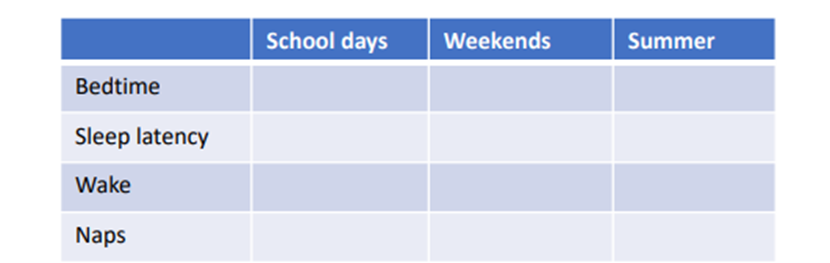
First, keep a sleep diary for two weeks.
Each day, write down when you go to bed, when you wake up, and how you feel. This can be just as helpful as using special devices like a Whoop or Apple Watch.
Know Your Sleep Pattern
Everyone has something called a circadian rhythm — this is your body’s natural clock. Some people are early birds and like to sleep early and wake up early. Others are night owls and stay up late. Knowing which one you are can help you plan your sleep times better.
Why Good Sleep Is So Important
The later part of your sleep is when you get the most REM sleep. REM sleep is super important because it helps your body and mind feel refreshed.
If you don’t get enough sleep, it can:
Make it harder to lose weight.
Raise hunger hormones (like ghrelin).
Raise stress hormones (like cortisol).
Lower important hormones like leptin (which controls hunger) and testosterone.
Slow down your thyroid and make it harder for your body to use insulin.
Good sleep also helps your brain, especially a part called the amygdala, which controls your emotions. This helps you stay calmer and handle problems better during the day.
Easy Ways to Sleep Better
Here are some simple things you can do to get better sleep:
1. Make Your Room Sleep-Friendly
Keep the temperature around 65°F.
Turn off loud noises and bright lights.
Make sure your room feels clean and safe.
2. Fix Your Sleep Setup
Sleep on a comfy mattress.
Use soft, clean blankets and pillows.
3. Follow Good Sleep Habits
Go to bed and wake up at the same time every day, even on weekends.
Eat and drink at least two hours before bedtime.
If you take naps, nap early in the day (between 12–3 PM) and keep them short (less than 40 minutes).
4. Make Sleep a Priority
Set a regular bedtime and stick to it!
If you have kids, make sure their bedtime routine matches yours.
5. Talk to Your Doctor If Needed
If you have trouble with restless legs or moving too much while sleeping, see your primary care doctor. They can help you find answers.
Final Thoughts
Sleep is one of the best things you can do for your body and mind. By making a few small changes, you can start sleeping better — and feeling better — every day!
A new studies shows that receiving the shingles vaccine may decrease dementia risk.
The New York Times reported yesterday about a study in the journal Nature that The“found that people who received the shingles vaccine were 20 percent less likely to develop dementia in the seven years afterward than those who were not vaccinated.” Other studies like this have been done and found a decreased dementia risk, but this study was able to rule out “other dementia-protective characteristics, like healthier lifestyles, better diets or more years of education.” These results “provide some of the strongest evidence yet that some viral infections can have effects on brain function years later and that preventing them can help stave off cognitive decline.”
We suggest that shingles vaccines be given at age 50. Shingrix is a 2-vaccine shot regimen with the two doses being given 2 months or more apart. I have seen two memorable patients over my 30 years of doctoring who both had postherpetic neuralgia (after-shingles-nerve-pain) and when they would see me for unrelated issues. They would periodically jump in their seat due to zinging pain in the dermatome that their shingles rash was present years before. Consequently, the week I turned 50 I got my first shingrix vaccine. It is true that you may feel “flu-ish” the day after the shingrix vaccine. But, I urge you to not wait until you have an unencumbered 3-day weekend to get the shingles vaccine. Life happens, time gets away from us. And, not getting the shingrix vaccine may mean that you get shingles before you are vaccinated (as I have seen this scenario countless times).
In this study it “tracked people in Wales who were around 80 when receiving the world’s first-generation shingles vaccine over a decade ago.” So, this study does not specifically address what is the rate of dementia when patients get the shingles vaccine at age 50, but I can appreciate that viral illnesses may increase the strain on the brain and decrease its ability to cognitively function as we age.
FamilyDoctor.org emphasizes that the best way to prevent shingles is through vaccination. They recommend vaccinating children against chickenpox to reduce their risk, as shingles can only occur in individuals who have previously had chickenpox.
The Centers for Disease Control and Prevention (CDC) recommends Shingrix for adults aged 50 and older, as well as for immunocompromised individuals aged 19 and above. Shingrix has been shown to be over 90% effective in preventing shingles and its complications.
States Ease Licensing Requirements For Foreign-Trained Physicians To Ease Staff Shortages
I read this morning in my family medicine update email that per KFF Health News (3/3, Zionts) reports, “A growing number of states have made it easier for doctors who trained in other countries to get medical licenses, a shift supporters say could ease physician shortages in rural areas.”
Since 2023, at least nine states, including Florida and Illinois, have eliminated the requirement for these doctors to repeat residency training in the US. Supporters argue this change could help meet health care needs, while opponents “worry about patient safety and doubt the licensing change will ease the doctor shortage.”
The Federation of State Medical Boards and other health organizations “published its recommendations to help lawmakers and medical boards make sure these new pathways are safe and effective.”
As a medical educator, Annually, I recruit and train 8 family medicine physicians in Reno, Nevada. But, more than 8 per year locally leave medicine (retire, die, move away) and we are seemingly not making any headway.
Indeed, we do have a physician shortage in the US which is being filled (or not filled at all!) with mid-level providers (nurse practitioners and physician assistants). Foreign-trained physicians offer more extensive training and may come to the US with years (or decades!) of medical experience. This is an interesting solution to a worsening medical environment in the US. I will follow along…
You must be logged in to post a comment.