
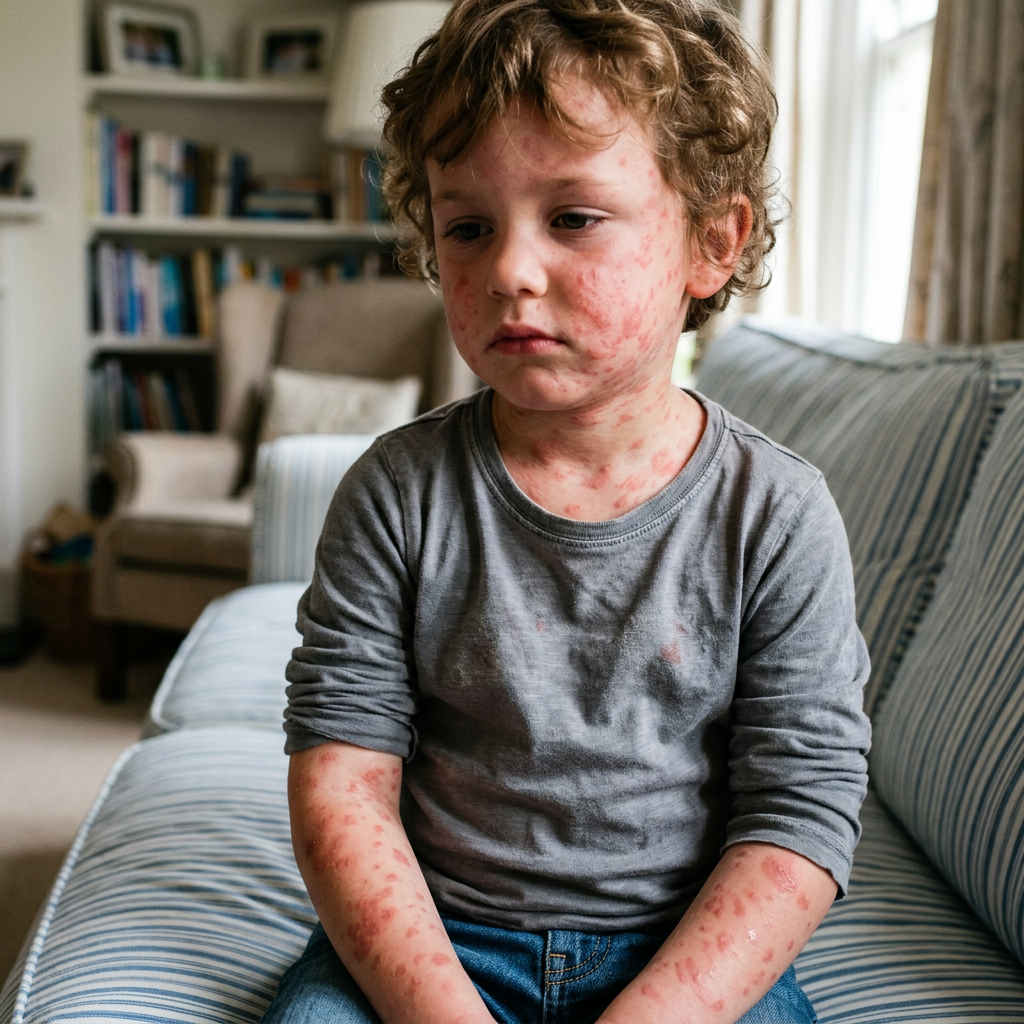
As a family physician who cares for children both in the hospital and the office, I spend a lot of time talking with parents about vaccines—what vaccines we give, when we give them, and why timing matters. New research about measles highlights an important period of vulnerability for our youngest patients.
The first routine dose of the measles, mumps, and rubella (MMR) vaccine is recommended at 12–15 months of age. Until then, we have historically relied in part on antibodies passed from mother to baby during pregnancy to provide some protection early in infancy.
But that protection may disappear sooner than many parents realize.
A recent U.S. analysis presented at IDWeek found that by six months of age, most infants no longer had detectable levels of maternal neutralizing antibodies considered protective against measles. Researchers found that antibody levels declined rapidly during the first months of life and, by six months, median levels had fallen below the study’s threshold for protection across the measles strains studied.
That creates what I think of as an immunity gap: a period between roughly six months and the routine MMR vaccination at 12 months when an otherwise healthy infant may have little protection against measles.
This matters more now because measles is circulating much more widely in the United States. As of October 22, 2026, the CDC had reported 4,588 confirmed U.S. measles cases THIS year.
Parents who vaccinate their children on schedule are doing exactly what we ask them to do. Yet an infant who is simply too young for the routine vaccine can still be exposed when measles spreads in the community. That is one reason high vaccination rates among older children and adults are so important: vaccination protects not only the person receiving the vaccine, but also babies who are not yet old enough to receive their routine first dose.
There is an important exception to the usual schedule. The CDC recommends that infants 6–11 months old receive an early MMR dose before international travel, and local public health authorities may recommend an early dose during certain measles outbreaks. An MMR dose given before the first birthday does not replace the routine series; those children still need two subsequent doses beginning at 12 months.
For parents of young infants, the takeaway is do not panic, but be aware. Keep everyone in your household appropriately vaccinated, pay attention to local outbreaks, and talk with your physician before travel or if you believe your baby may have been exposed to measles.


You must be logged in to post a comment.