Why is my face drooping on one side?

Bell palsy is an acute, sudden onset of facial nerve paralysis.  This is not due to a stroke (when the brain does not get enough oxygen).    But, emergent care is needed to confirm that this is a palsy and not a stroke.  Call your doctor immediately, or if after hours, seek emergency department help.

What’s the risk?  If left untreated, up to 30% of patients have some level of permanent facial symmetry or facial pain.

Why do patients get Bell palsy?  Some research shows that a viral infection, like herpes or varicella zoster virus can cause this.

What is the best treatment?  Combined studies of over 2000 Bell palsy patients showed that a combination of both corticosteroids plus antivirals gave the best long-term results.  These two medicines improved long-term motor movement of the face and decreased excessive tear production over corticosteroids alone.

When should you be seen?  As soon as you get the symptoms you should seek care.  It is known that treatment started before 72 hours of symptoms helps decrease symptoms and length of symptoms.

Posted in General Medicine- Adults, infections, Uncategorized | Tagged , , , , , , , , , | Comments Off on Why is my face drooping on one side?

If you have heart disease you SHOULD GET A FLU VACCINE!

Okay, the capitals may have been too much… but studies have shown that the influenza vaccination may reduce death from cardiovascular disease.

Observational studies have shown an association between receipt of the flu vaccine and a lower risk of cardiovascular events (like strokes and heart attacks). Strengthening this association is a different study showed that getting the influenza infection was associated with an increased risk of cardiovascular events.

So, when the influenza vaccine becomes available in your area… I’d suggest that you line up.

Below is a picture of the influenza virus.

influenza bug

flickr.com/photos/53867930@N08/5091074915/in/photolist-6jo4JH-6jXBoQ-6jHDbF-7nNmxK-8KT6cH-6XEYbt-ipfjqZ-6MZg7-6oN32Q-6iVNFt-A67c-6iGrcv-6hTtF6-6iS75k-6iS6ug-6XJYWs-6jHDbB-5Y8iP3-3nYkKB-6hLoo4-6hQwJY-74hYFo-7aRdWF-74e4SP-6iBMBm

Posted in General Medicine- Adults, infections, Uncategorized, Vaccines | Tagged , , , , , , , , , | Comments Off on If you have heart disease you SHOULD GET A FLU VACCINE!

Non-alcoholic fatty liver, an epidemic

Did you know that non-alcoholic fatty liver disease (NAFLD) is the most frequent cause of chronic liver disease in the US and around the world?  Yes!  It is.  Researchers think that nearly one-third of Americans has this disease.  There is a spectrum of disease, from mild to end-stage cirrhosis.

Do these patients drink alcohol?  Most NAFLD patients consume no alcohol or only a modest amount.

Do the patients have symptoms?  Rarely.  Most are asymptomatic.

How is this found?  Most have abnormal liver function tests on routine (or preventive health screening) blood work.  (Take out your lab work:  Most NAFLD patients have (elevated and) higher serum ALT levels than serum AST levels)

What else is NAFLD associated with?  Type 2 diabetes and obesity and high cholesterol.  In fact, nearly 70% of type 2 diabetes patients develop fatty liver and its consequences.

What can you do?

  • Decrease carbohydrates (starchy foods).  Avoid saturated fats, simple carbohydrates and sweetened drinks.
  • Lose weight!
  • Exercise.  Aerobic exercise improves skeletal muscle insulin sensitivity and helps decrease the underlying mechanism causing NAFLD.
  • Don’t use medicines (like orlistat) to help lose weight.
  • Consider bariatric (weight loss) surgery.  This may lead to the most reliable method for achieving “sustained weight loss in morbidly obese individuals.”  But, more long-term studies are needed to confirm this.
  • Consider medications.  Ask your doctor!  Vitamin E at 800 IU a day was shown to improve the hepatocytes (the individual liver cells under a microscope)  But, Vitamin E may cause increased risk of all-cause mortality and hemorrhagic strokes in the brain.  So, more studies on this are needed.  Other medications considered are metformin, and statins. But, the more research is needed to confirm that they help NAFLD and do not cause harm.

How can you help decrease your risk of cirrhosis from NAFLD?  Decrease your other risk factors!  Ask to be screened for type 2 diabetes.   Watch your blood pressure with the goal being under 140 and under 90 (> 140/90).  Treat your elevated cholesterol.   Test for obstructive sleep apnea if you have disorganized sleep, wake tired, or snore.

I hope this helps….IMG_4185

Posted in blood pressure, Diabetes, General Medicine- Adults, Uncategorized | Tagged , , , , , , , , , , , , , , | Comments Off on Non-alcoholic fatty liver, an epidemic

Recent medical “pearls”

If a rapid strep test is negative, no back up culture is needed.  It is now known that the rapid strep test for streptococcal pharyngitis has a sensitivity of 86%. This means that it will pick up 86% of active cases.  Because these tests miss only about 1 in 6 cases of strep pharyngitis, the yield of backup cultures is small.  It would cost $8 million to catch one case of rheumatic heart disease.  And, to boot, adults are at low risk of getting strep throat anyway.


Posted in General Medicine- Adults, infections, Uncategorized | Tagged , , , , , , , , , | Comments Off on Recent medical “pearls”

There’s now a Pill to Increase Female Libido!

flickr.com/photos/ hebe/ 3310171434/Here are the specifics…

There is a once a day pill, flibanserin, which is to be taken daily by women to increase sex drive.  The monthly cost of this drug is $830.  The study of 2375 premenopausal women showed an increase of “1.6 to 2.5 additional satisfying sexual events per month with treatment.”

The side effects are dizziness (which occurs in 11% of patients), somnolence (11%), nausea (10%), fatigue (9%), insomnia (4.9%).  Patients should not take flibanserin if they are pregnant or breastfeeding.

Interesting.

Posted in General Medicine- Adults | Tagged , , , , , , , , , | Comments Off on There’s now a Pill to Increase Female Libido!

Acne… the dreaded teenage rite of passage

flickr.com/ photos/ blmiers2/ 6904758951

flickr.com/ photos/ blmiers2/ 6904758951

Acne is so commonplace … and it makes being a teenager more difficult.  The AAD (American Academy of Dermatology) has new guidelines for acne therapy.

The key is that monotherapy is not recommended AND that antibiotics should always be coupled with topical therapy (and not used alone).

Topical benzoyl peroxide is the first-line agent that effectively fights Propionibacterium acnes and also discourages the development of antibiotic resistance.  Topical antibiotics (like clindamycin or erythromycin) will also help decrease P acnes populations and exert a mild anti-inflammatory effect.  Topical benzoyl peroxide should be used in combination with another agent like a topical retinoid (gel or cream).  This dual approach helps decrease the chance of antibiotic resistance.

If you NEED an oral antibiotic, the tetracycline-class of antibiotics are still the best option for moderate to severe acne.  Minocycline and doxycycline are equally effective.   Physicians should limit both the DOSE and the LENGTH of therapy of antibiotics.  It is thought that when the oral antibiotic is eventually discontinued that the topical reintoid will fulfill the need for maintenance therapy.

Birth control pills may also help acne by interrupting the pathway of testosterone production.

Accutane is a highly effective treatment for severe acne that is resistant to other treatments.  It decreases sebum production, acne lesion count, and  scarring.  Only certain physicians prescribe accutane as there is a stringent programs and iPLEDGE agreement that are needed.

Low-glycemic diets may help decrease sebum production and decrease inflammation.

Posted in Dermatology, General Medicine- Adults, Pediatrics | Tagged , , , , , , , , | Comments Off on Acne… the dreaded teenage rite of passage

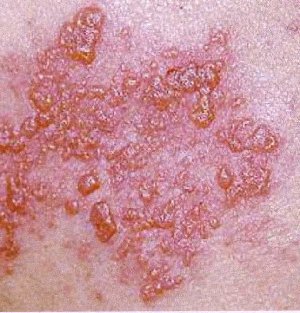
Shingles pain relief

herpes zoster day 6. lesions joining other lesions.

herpes zoster day 6. lesions joining other lesions.

There are a “Big Three” of shingles treatment: antivirals, rest, and pain management.  At a recent American Academy of Dermatology meeting treatment of shingles was discussed.  The Big 3 will help halt the progression of the disease and decrease viral shedding.


  • Rest is important and mandatory for treatment.
  • Antiviral treatment will only work if it is started in the first 72 hours.  There are a few antivirals that can be started. They are all in the same “family” but are dosed at different times and some are more expensive.
  • Pain medicine may be prescribed by your physician.

Additional therapies may help…

  • Steroids by mouth may help if the area looks inflamed.
  • Lidocaine patches and capsaicin cream are both effective for topical pain and work best if used consistently.
  • Gabapentin is also a pill that can help blunt the nerve pain that may occur with or after shingles outbreaks.
Posted in Dermatology, General Medicine- Adults | Tagged , , , , , , , , , | Comments Off on Shingles pain relief

Stop using nasal flu vaccine

flickr.com/photos/ soloflight/ 4030623375

flickr.com/photos/ soloflight/ 4030623375

In a stop-the-presses media blast, the Centers for Disease Control and Prevention’s Advisory Committee has voted to stop the use of the live attenuated influenza  (nasal flu) vaccine for this 2016-2017 flu season.   The recommendations state that “no live attenuated influenza vaccine should be used in any setting.”  This is a result of data showing that the nasal flu vaccine was effective in 3% (yes, THREE PERCENT) of children aged 2-17 years.

Meanwhile, the flu shot was estimated to be 63% effective against any flu virus in that age group.

So, get set to receive a flu SHOT this fall and not the flu MIST.

Posted in General Medicine- Adults, Pediatrics, Vaccines, Vaccines | Tagged , , , , , , , , , | Comments Off on Stop using nasal flu vaccine

Does chewing gum help after abdominal surgery?

flickr.com/photos/armydre 2008/ 33743519449F3wcE-jd6U3r

flickr.com/photos/armydre 2008/ 33743519449F3wcE-jd6U3r

Yes!  Chewing gum reduces the time to the first flatus (first time passing gas) after an abdominal surgery and it decreases the time to the first bowel movement.  Gum has helped these two actions occur sooner so that the patient can go home from the hospital 1/2 day sooner!

After abdominal surgery the intestines often feel “messed with”– kind of like when you were a kid and you poked an earthworm.  After being manipulated, the bowel (and the earthworm) do not move like they are supposed to.  This medical term is called a postoperative ileus.  Postoperative ileus is common and may lead to prolonged hospitalization because no doctor will send you home without passing gas and having a bowel movement after abdominal surgery.  Chewing gum may stimulate the cephalo-vagal system and intestinal motility while encouraging the flow of pancreatic juices and saliva.

This outcome of earlier flatus and bowel movement was most pronounced in patients with colorectal surgery and least pronounced in patients undergoing cesarean delivery.  Some studies also showed less nausea and vomiting among those who chewed gum.

I hope this helps.

Posted in General Medicine- Adults, medication issues | Tagged , , , , , , , , | Comments Off on Does chewing gum help after abdominal surgery?

Are you considering an oral appliance for your mild sleep apnea?

flickr.com/photos/ axelsrose/ 2657883341

flickr.com/photos/ axelsrose/ 2657883341

The short answer is that the oral appliance used while sleeping may help some symptoms of sleep apnea, but not others.

An oral appliance that helps push the lower jaw forward to make more room in the back of the mouth has NOT been shown to improve daytime sleepiness or other measures of a good night’s sleep.  The oral appliance DOES decrease apnea scores, snoring and restless legs.  These improvements may be valuable for bed partners who sleep each night enduring the breathing irregularities and lower limb restlessness.

Even after 4 months of treatment the oral apppliance did not improve the patient’s measures of sleepiness, sleep resistance quality of life or functional outcomes of sleep.

However, I imagine that the bed partners slept better. (Photo above inserted for cuteness only.  No appliance used in this little patient)

Posted in General Medicine- Adults, sleep disorders | Tagged , , , , , , , , , | Comments Off on Are you considering an oral appliance for your mild sleep apnea?