Half of cervical pre-cancers are caused by two subtypes of HPV!

flickr.com/photos /lavid/ 01793987

flickr.com/photos /lavid/ 01793987

HPV subtype 16 was the most commonly detected HPV type among all “high grade” (read this: ominous) cervical lesions. Half of the high-grade cervical lesions had HPV 16 or 18 involved. Then, another 25% of high grade cervical lesions are attributable to five additional HPV types (types 31/33/45/52/58). Currently there are two HPV vaccines: Cervarix carries HPV types 16 and 18 and Gardasil carries HPV types 6, 11, 16 and 18.

Cells on the cervix can vary from normal to cancer—there is a continuum of abnormalities between the two. The nearer to cancer the cells are the more “dysplastic” or abnormal under a microscope they look.    Goals of this research are to quantify the risk of the subtype of HPV to the chance of having significant cervical cell dysplasia (or change). Investigators are also looking into many questions: should we treat males and females the same? What age range is best served? What schedule is most effective of vaccine administration?

Our current HPV vaccines do not cover for all the above HPV subtypes that cause cervical dysplasia. The Centers for Disease Control and Prevention’s Advisory Committee on Immunization Practices (ACIP) is looking into a 9-valent vaccine which may cover for more of the HPV strains that have been found to be oncogenic (cancer-causing).

I’ll stay tuned…

Posted in pap test, Pediatrics, Uncategorized, Vaccines, Women's Health | Tagged , , , , , , , , , | Comments Off on Half of cervical pre-cancers are caused by two subtypes of HPV!

Drinking diet drinks is linked to cardiovascular events in women

flickr.com/ photos/ 19779889@N00/5445275639/

flickr.com/ photos/ 19779889@N00/5445275639/

I know this sounds vague. . . and scary. But, the analysis focused on nearly 60,000 women aged 50-79 and followed them for 9 years. TWO or more diet drinks a day was associated with a 29% increased risk of cardiovascular event (read that: heart attack or stroke) and a 26% increased risk of all-cause death, compared with women with less (or no) diet drink consumption.

This finding is consistent with other information that we’ve known: diet drinks are linked with metabolic syndrome and cardiovascular disease events. The new information is the strength of the link.

It is postulated that diet drink consumption may disrupt normal feedback mechanisms that help us control our intake of food and other beverages. It may also be that diet drinkers have an unhealthy lifestyle in some other way.

Find more information from the Women’s Health Initiative study.

Posted in General Medicine- Adults, Women's Health | Tagged , , , , , , , , , , | Comments Off on Drinking diet drinks is linked to cardiovascular events in women

Late-life depression may be prodrome to dementia

flickr.com/ photos/  tokaris/ 207335658

flickr.com/ photos/ tokaris/ 207335658

There is a relationship between elderly patients with acute depression and progression to Alzheimer’s disease.   It is unclear whether depression in the elderly is a risk factor for dementia or if it’s a prodrome of the disorder. It’s important to note if the late-life depression has documented memory and executive function impairment.

If depression is affecting you, or a loved one, please seek assessment and treatment.   If the decline is due to cerebrovascular disease there may be an entirely different pathway to follow.  Either way,  ongoing follow-up and support are suggested.

Posted in Emotional health, end-of-life issues, General Medicine- Adults | Tagged , , , , , , , , , | Comments Off on Late-life depression may be prodrome to dementia

Erectile dysfunction. The canary in the gold mine?

flickr.com/ photos/ taksidia/ 1249605102

flickr.com/ photos/ taksidia/ 1249605102

Indeed impotence can be the first sign of cardiovascular disease. A new study of 600 men showed that men with erectile dysfunction (ED) had a better than threefold improvement in erectile function after receiving a statin drug. Statins are most often used for treatment of high cholesterol.

There is no indication to start statins to help men with erectile dysfunction, but ED is a sign to physicians to investigate the patient’s vascular health. Certainly a cholesterol lab work should be performed.

Interesting article …

Posted in General Medicine- Adults, Male issues, Uncategorized | Tagged , , , , , , , , , | Comments Off on Erectile dysfunction. The canary in the gold mine?

You need to know your blood pressure. Here’s why…

flickr.com/photos/ sharynmorrow/ 205306168

flickr.com/photos/ sharynmorrow/ 205306168

Higher blood pressures throughout young adulthood strongly predicted subclinical atherosclerosis during middle age.

This was a study done over 25 years and it followed participant’s blood pressure and cardiovascular events. The findings show that what happens in early adulthood DOES appear to be an important indicator of that person’s risk for heart disease in the future.

This reminds me that even slightly elevated blood pressure in younger patients is a condition to watch and manage. Blood pressure is a good marker to show patient’s who may benefit from lifestyle changes. The goal is to reduce cardiovascular risk and complications later on.

Blood pressure goals are under 135/85. Both numbers are important. Do you know yours?

Posted in blood pressure, General Medicine- Adults, Uncategorized | Tagged , , , , | Comments Off on You need to know your blood pressure. Here’s why…

Fellow Wichitans: Need to dispose of leftover medications?

flickr.com /photos /essjay/ 5134563753

flickr.com /photos /essjay/ 5134563753

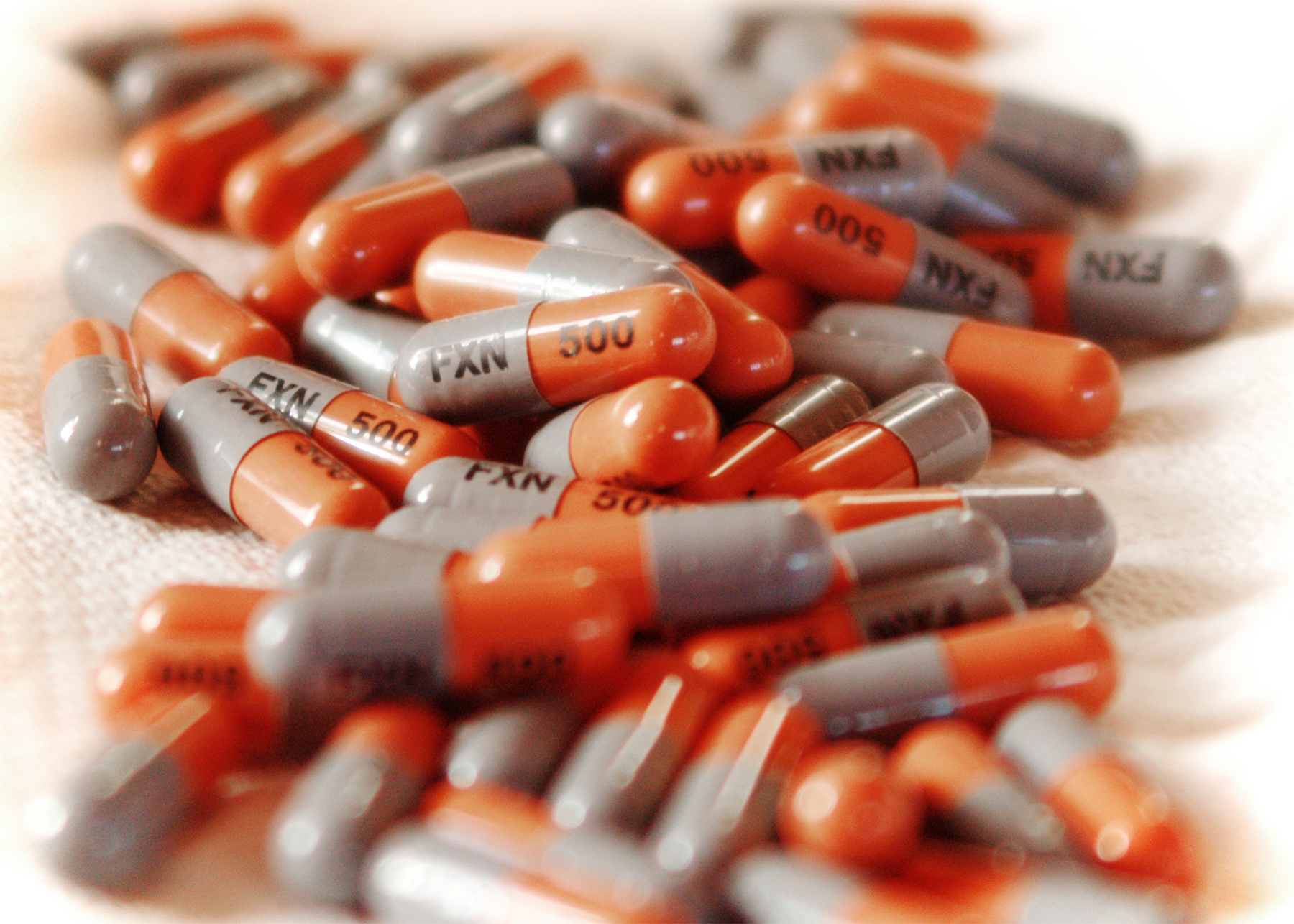
This Saturday, 4/26/14, there are multiple locations for medication drop off locally. The Drug Enforcement Administration is sponsoring National Take Back Day with the intent of helping people get rid of old drugs so that they won’t be a danger to individuals or to the environment.

Leftover drugs are susceptible to diversion, misuse, and abuse. Throwing medications in the trash or flushing down the toilet can cause environmental hazards including for kids and pets.

Collection sites will be open from 10 am to 2 pm this Saturday at the following locations:

In Sedgwick County:

  • Household Hazardous Waste facility, 801 West Stillwell,
  • Wichita Oaklawn Activity Center 4900 South Clifton,
  • Bel Aire Community Building, north entrance, 7651 E. Central Park
  • Haysville Police Department 200 West Grand
  • Maize City Hall 10100 West Grady
  • McConnell AFB, Base Exchange (open only to military ID holders only)

In Butler County: Rose Hill City Hall, 125 West Rosewood, Rose Hill

In Harvey County: Harvey County Sheriff’s Office, 120 East 7th Street Newton

In Sumner county: Argonia Police Department, 210 South Maine, Argonia.

Kansanas have disposed of more than 22 tons of leftover medications since the drug take-back day started as an annual event in 2010.  Keep up the good work!

Posted in General Medicine- Adults, medication issues | Tagged , , , , , , , , , | Comments Off on Fellow Wichitans: Need to dispose of leftover medications?

When (and which) can we stop doing screening tests?

flickr.com/photos/e n321/55331295/

flickr.com/ photos/en321/55331295/

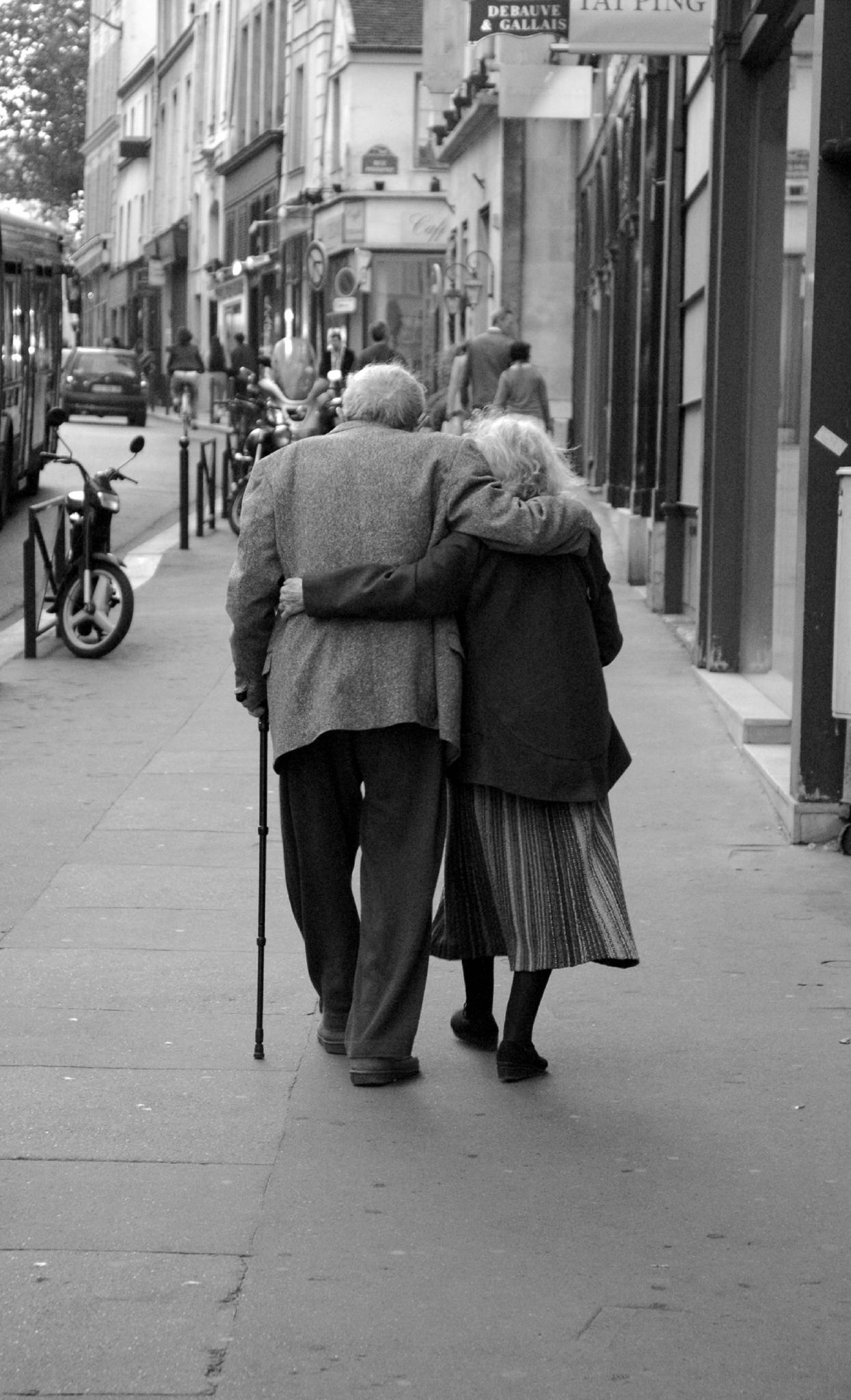
I am often asked ” Do I still need. . . . mammograms? pap smears? prostate screening?” These are good questions. this depends on the patient’s current quality of life and life expectancy.
Female cancers that are routinely screened for include cervical, colon, and breast. Men’s screenings focus on prostate and colon cancers.
Pap smears.

  • This reveals abnormal cells on the cervix. If a woman had her uterus removed for reasons other than cervical dysplasia (abnormality of cells on the cervix) or cervical cancer, a Pap smear is no longer needed.
  • If a woman still has a uterus and has no history of abnormal Pap smears, then the last pap would be at age 65.

Ovarian cancer

  • A bimanual exam (which I refer to the exam with two fingers inside the vagina and one hand on top of the abdomen) is best done every year. This helps to screen for ovarian cancer.

Breast cancer

  • A breast exam should also be done every year, as part of a well-woman examination. Therefore, it is still important for elderly women to visit their physician yearly for a “well woman exam.”
  • Mammograms should be discontinued at age 75, or when life expectancy is less than 10 years.

Colon Cancer

  • Men and women should be screened for colon cancer until there is a 10 year life expectancy left.
  • There are several ways to look for colon cancer: colonoscopies, barium studies in the x-ray department, stool specimens to look for blood, or CT scan testing.

Prostate cancer.

  • This is a controversial issue. One of every six men will develop prostate cancer during their lifetime, yet only about 3% of men die FROM it.
  • The United States Preventative Service Task Force echoes this practice and states that there is insufficient evidence to recommend for or against screening for prostate cancer.
  • However, you and your physician can decide what is in your best interest.

Bone density screening.

  • Osteoporosis (low bone density) is seen in about 7% of women.
  • Recommendations are to check every woman after age 65, or five years after menopause in women with risk factors.
  • Osteoporosis is not only a disease for women, as it does affect some men.

High cholesterol.

  • Screening should begin based on family history, but at least by age 45 for women and age 35 for men.
  • Screening should begin at a younger age if risk factors are identified.
  • Cholesterol screening can continue at intervals of every 3 to 5 years.
  • If no elevated cholesterol found by age 65, cholesterol screening tests can be stopped as it is unlikely to start after this age.

As always, individual health maintenance and preventive care are best discussed with your physician so that your care can be customized based on your risk factors, family and personal history.

Want more information? American Cancer Society at http://www.americancancer.org and The American Heart Association at http://www.heart.org

Posted in General Medicine- Adults | Tagged , , , , , , , , , | Comments Off on When (and which) can we stop doing screening tests?

Fiber. The holy grail?

Fiber is a simple and cheap intervention which can help with a whole host of problems.

The recommended amount of daily dietary fiber is 20-35 grams. Total dietary fiber is a combination of both insoluble (the kind you can’t break down—wheat bran, whole grains, vegetables) and soluble (like nuts, psylium, and other fruits and vegetables). Soluble fiber can reduce the risk for adult-onset diabetes, help control diabetic’s blood sugars, and reduce risk for heart disease and stroke.
If you were to ask… do we know how much fiber reduces cardiovascular disease risk? And, is there a dose effect?
I would say yes!—there is a study that shows all of this. The British Medical Journal released a study and the take-home message is that intake of whole foods (unprocessed and unrefined) should be greatly encouraged. For every additional 7 grams of total fiber per day, a 9% lower risk for heart attack and stroke. If you are unable to take more fiber through diet, supplementation with psyllium or methylcellulose (both available commonly in over the counter preparations).

Posted in Cholesterol, food, General Medicine- Adults | Tagged , , , | Comments Off on Fiber. The holy grail?

HPV vaccine does not cause riskier behavior

flickr.com/photos/ hebe/ 3310171434HPV vaccine has not shown to increase teen girls sexual activity or to engage in riskier sexual practices.

The researchers examined two risk perceptions: did the participants feel they still needed to practice safer sex after the HPV vaccine and did the participants feel like the vaccine protected then against other sexually transmitted infections (STIs) besides HPV.
The study showed that the vast majority thought it was still important to practice safer sex after vaccination, and most did not believe that HPV vaccination protected against other STIs. This does give us convincing evidence that vaccination does not lead to riskier behaviors—which should be reassuring to parents.
For background, HPV, human papillomavirus, is a sexually transmitted infection that is easily spread by skin-to-skin contact during sexual activity with another person. There are more than 40 types of HPV that can infect the genital areas or males and females. These HPV types can also infect the throat and mouth (and cause oral cancers). The HPV vaccines can protect against some of the most common types of HPV, including those that cause 70% of cervical cancers.
The HPV vaccine is suggested by the U.S. Advisory Committee of Immunization practices to females between ages 11 and 26, to males between 11 and 21, and additionally to men aged 22 to 26 who are at “high risk for HPV.”

Posted in Pediatrics, Vaccines | Tagged , , , , , , , | Comments Off on HPV vaccine does not cause riskier behavior

Obesity and stillbirths–the connection

flickr.com/ photos/mav16/ 4613775099

flickr.com/ photos/mav16/ 4613775099

Obesity is not benign.

I recently read a study performed over 8 years which showed that almost 20% of stillbirths (babies born dead) occurred in obese females.
The study has a database of nearly 3 million births and it was found that the risk of stillbirth increased along with body mass index and gestational age. This means… for women in the highest BMI—50 kg/m2—the incident of stillbirth jumped from 1.8/1,000 pregnancies at 39 weeks (one week before due date) to 3/1,000 at 40 weeks (the due date) and to more than 5/1,000 by 41 weeks (a week overdue).
As a caveat to this, women who are overweight (BMI of 25-30) are at no significantly increased risk of stillbirth compared to normal-weight women.
It is speculated that obesity increases the baseline inflammatory response and that this may lead to abnormal placental growth and the development of uteroplacental insufficiency (meaning that the fetus doesn’t receive enough blood flow).
So, if your doctor discusses your weight with you and encourages weight loss. . . listen. It may be in your (and your unborn/future baby’s) best interest.

Posted in Obstetrics | Tagged , , , , , , , | Comments Off on Obesity and stillbirths–the connection