Anaphylaxis. The worst-of-the-worst allergic reactions.

flickr.com/photos /nbr/ 5320936321

One question I ask every new patient is “Are you allergic to anything?”   I need to know.  The goal is to avoid an allergic reaction, especially anaphylaxis.  Anaphylaxis is a severe, life-threatening allergic reaction.  Frequently it is not anticipated and may lead to death by airway obstruction or collapse of the body’s blood vessel system.

What are the most common triggers?  Food.  Insect stings.  Medicines.   Food-related allergic reactions are most common in children up to age four.  Medication reactions are most common in patients older than 55.

  • Common food triggers: egg, fish, food additives, milk, peanuts, sesame, shellfish, tree nuts.
  • Insect venom: bee, wasp or fire ants.
  • Latex.
  • Medications:  ACE inhibitor blood pressure medication, antibiotics like penicillin, aspirin, NSAIDs like ibuprofen, pain medications like opioids, radiocontrast media like iodine.

How common is it?  In the US there are 50 cases per 100,000 person-years (or .05 to 2% lifetime chance).  The risk is doubled in patients with mild asthma and tripled in those with severe asthma.

The diagnosis of anaphylaxis is made when symptoms occur within one hour of exposure to the trigger.  It is a clinical diagnosis–meaning lab testing is not very helpful.

Common symptoms are

  • swelling around the eyes, swelling of the tongue and lips,
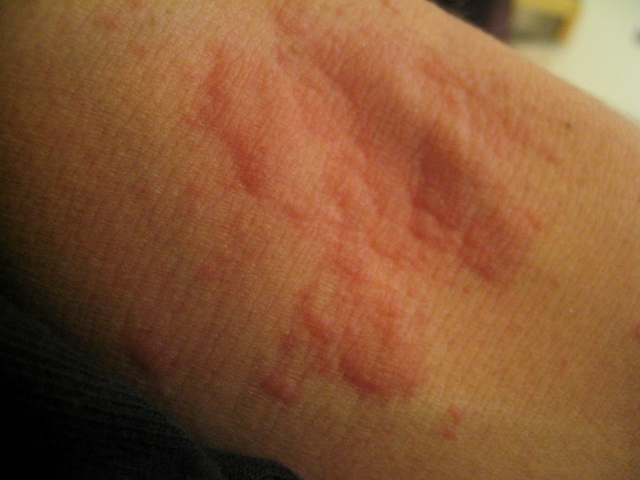
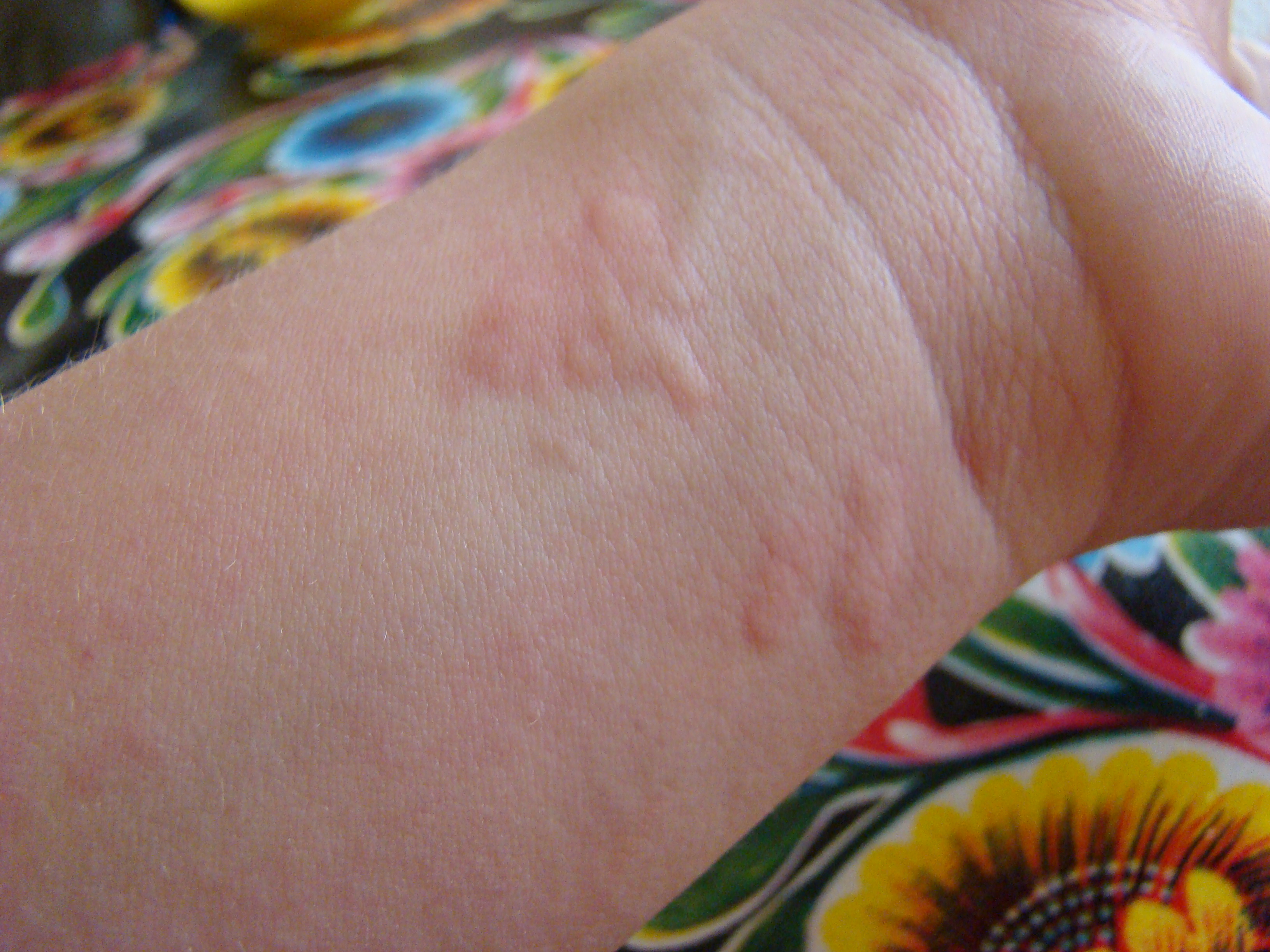
  •  hives and itchy skin,
  • wheezing or cough, sensation of throat constriction,
  • fast heart rate, dizziness, vomiting,
  • headache, anxiety, and feeling of impending doom.

Treatment is needed. Epinephrine is the mainstay, first-line treatment.  Patients with known anaphylaxis should carry an Epi-Pen at all times.  At the first symptom of anaphylaxis the patient should inject themselves in their muscle with epinephrine AND call 911!  At the hospital additional medicines may be given: Histamines like benadryl, steroids, and oxygen.

Here is a video link for appropriate Epipen use.  http://youtu.be/aUdvv55S8qQ

Posted in allergies, allergies, asthma, General Medicine- Adults, Pediatrics, Uncategorized | Tagged , , , , , , , , , , , | Comments Off on Anaphylaxis. The worst-of-the-worst allergic reactions.

PMS

flickr.com /photos /bitchcakes / 2909130400

PMS is real and if you have it (or live with someone with it) it can be really disturbing to everyone.  What is it? How can we treat it?  Read on. . .

PMS is premenstrual syndrome.  It occurs the week before your period.  Symptoms are

  • cramps,
  •  bloating,
  •  irritability,
  • difficulty concentrating,
  • craving certain foods,
  • difficulty sleeping,
  • losing interest in your usual activities.

PMDD is premenstrual dysphoric disorder.  It is PMS symptoms, but more severe.  Keep a record/log to show when during your month you have symptoms and what the symptoms are.

Your doctor can help.  A physical exam and a thorough history will help with the diagnosis.  Treatment may include an antidepressant or birth control pills.  Both of these can help stabilize your mood when the hormones are in flux.  Vitamin B6, up to 100 mg a day may help with PMS.  More than 100 mg is not likely to help and may cause other side effects.

Menstrual periods are natural and normal.  PMS or PMDD does not need to rule your life.  See your doctor.

Posted in menstrual issues, Uncategorized, Women's Health | Tagged , , , , , , , , , , | Comments Off on PMS

Pregnant ladies. Have you come in for your flu vaccine yet?

flickr.com/photos /mestreech/ 1141289549

It’s not too late for the flu vaccine for this year!  The flu vaccine in pregnancy has been shown to benefit both the pregnant woman and the fetus in a few different ways.

Duke University did a study of 1600+ women showing those who received the flu vaccine were significantly less likely to require a hospital visit or hospital stay overnight during their pregnancy than those that did NOT get the vaccine.

Those that received the vaccine had babies born at a higher weight and longer gestation than those that did not receive the vaccine.

Researchers may say that there are confounding aspects to the study.  Vaccinated women were in for prenatal care earlier than those that did not receive the vaccine.  So, maybe the more conscientious women are more likely to take the vaccine.  Interesting findings . . .

Posted in Obstetrics, Uncategorized, vaccines | Tagged , , , , , , , , , , , | Comments Off on Pregnant ladies. Have you come in for your flu vaccine yet?

Update: post-herpetic neuralgia

A better phrase for this is post-herpes (shingles)
nerve-pain. Awful. Unrelenting. Who gets this? How to make it better?

herpes zoster day 3

The main risk factor for postherpetic neuralgia is increasing age. People under 50 have long-term pain rarely. Those who are 60-65 20% get it and 30% of those greater than 80 years have long-term nerve pain. 2% of those with acute herpes zoster have pain for 5+ ears. Other risk factors for postherpetic neuralgia are

  • severe pain with the shingles infection,
  • a severe shingles rash,
  • fever and muscle aches with the rash, and
  • stress.

What can we do about this?

herpes zoster day 6

When you get a rash that may itch, feel like bugs-under-your-skin, or burn see your doctor immediately. If it is herpes zoster and antiviral medication is started immediately, this may reduce the duration of postherpetic neuralgia when compared to placebo (sugar pills). Topical lidocaine, a cream, may help in treating nerve pain.

Can we prevent postherpetic neuralgia? Yes! The herpes zoster vaccine is used for the primary prevention of herpes zoster (meaning. . . it is used so that you never get the infection/rash to start with) and it helps decrease your risk of postherpetic neuralgia in people older than 60. It is one vaccine, given in your muscle. One and done!

Many medicines we used to think were helpful, are now known to not be helpful. The most important of these is steroids. Not helpful in the acute attack of shingles and it has unknown effectiveness with long-term nerve pain. Those with unknown effectiveness in studies are topical antivirals, gabapentin, oral opioid pain medication, amitriptyline, capsaicin cream, SSRIs and SNRI (antidepressant medication).

Take home points:

herpes zoster day 10

If you are older than 60, ask your doctor and insurance company about coverage for herpes zoster vaccine. If you get a suspicious rash, call your doctor immediately for an appointment.

Posted in Uncategorized | Tagged , , , , , , , , , , , , , , , | Comments Off on Update: post-herpetic neuralgia

Rear-facing car seat until age 2? Why? Really?

flickr.com/photos /lessel/ 2729066

Some parents question the importance of keeping a child in a car seat rear-facing until age 2. Here are the reasons and some hints to make this more palatable for both you and your child.

The American Academy of Pediatrics (AAP) published a policy statement reporting the increased safety with continuing to have children in a REAR-FACING car seat until at least the age of 2 or until reaching the highest weight and height allowed by the manufacturer of the car seat.

A study of motor vehicle accidents involving 870 children showed that rear-facing car seats provide more even support to the head, neck and torso with fewer significant, serious injuries than those facing forward.

Some parents are resistant. Here are some concerns I hear.
“My kid’s legs are cramped, if I’m in an accident won’t this cause a broken leg?” Toddlers naturally curl/bend their legs up and this does not seem uncomfortable for them. Studies show that lower extremity injuries are extremely uncommon in children in rear-facing car seats and more common when the child is forward-facing and legs swing and hit things.

“The car seat doesn’t fit well backwards in my car.” Local hospitals and occasionally car dealerships sponsor free car-seat safety checks and this fitting may help. The AAP and National Highway Traffic Safety Administration (NHTSA) also has resources/hints.

“My child screams while facing backwards.” If your child is not hurt, then your child may only need distractions: consider toys and books (and change them out as needed to keep interest).

Stay safe. Drive attentively. Give your child your attention at your destination.

Posted in Pediatrics, safety, Uncategorized | Tagged , , , , , , , , , , , | Comments Off on Rear-facing car seat until age 2? Why? Really?

Need another reason to stop smoking?

flickr.com/photos/axolot/ 349974970/

There is a strong connection between smoking and getting bladder cancer. The researchers can’t go as far as to say that smoking CAUSES bladder cancer. But, they do state that smoking accounts for 50% of the “population-attributable risk” for bladder cancer in men and 52% in women.

When a patient presents to the office with blood in the urine without pain, bladder cancer is a concern that needs to be ruled out. A smoker with blood in the urine is even more concerning.

1-800-KAN-QUIT can help.

Posted in Cancer, nicotine, Uncategorized | Tagged , , , , , , , | Comments Off on Need another reason to stop smoking?

Pink eye

flickr.com/photos/ ahhyeah /3094925426

I have seen a few pink eyes this week. Funny, huh? SEEN pink eye. Get it?

Pink eye is called conjunctivitis. It is usually caused by a mild infection. Most are caused by a virus, but can also be caused by bacteria, fungus or allergies.

Symptoms of conjunctivitis are

  • redness/burning of the eyes,
  • swollen eyelids,
  • blurred vision,
  • sensitivity to light,
  • feeling tender around the eyes,
  • watery or yellowish eye drainage (that can cause your eyelashes to be sealed shut in the morning).

Treatment for conjunctivitis is based on the cause.

  1. If it is allergic, then avoiding triggers, taking antihistamines, or using eye drops may help soothe the eyes and decrease itching.
  2. If it is from a virus, it should go away without any treatment in a week.
  3. Bacterial conjunctivitis can be treated with antibiotic eye drops or ointment, but usually also resolves without treatment.

Yes, it is contagious. . . unless it is from allergies. It can be spread through direct contact or if the infected person has touched their eyes and then touched an object that you
will touch.

Advice: See your doctor if symptoms last more than 3 days. Do not touch your eyes. Wash your hands well and frequently. Do not share personal items with someone else. Keep children home from school or childcare as it is highly contagious (especially
among those who are young with, let’s say, less vigilant hygiene).

Hope to SEE you soon.

Posted in Uncategorized | Comments Off on Pink eye

Sometimes too much of a good thing is just TOO MUCH

flickr.com/photos/ gstaviusitus/ 3354706383

A new study shows Vitamin E may RAISE the risk of prostate
cancer.  35,000 men were enrolled in a study that was followed for 5 ½ years.  Those
taking  400 IU per day of Vitamin E had a 17% increase in prostate cancer.

More than 50% of people 60 years and older are taking supplements.  Many of those supplements have 400 IU of Vitamin E.   (Mind you, the recommended daily dietary allowance of Vitamin E is only 22.4 IU a day for men)

No explanation for the increased risk of prostate cancer is known, but the experimental outcomes were significant. . . and harmful.

Want to know more?  http://www.cancer.gov/clinicaltrials/noteworthy-trials/select/Page1

Hope this helps.

Posted in Cancer, General Medicine- Adults, Uncategorized, vitamins and supplements | Tagged , , , , , , , , , , | Comments Off on Sometimes too much of a good thing is just TOO MUCH

Heartburn

flickr.com/photos/oter/ 3956394662

Actually, heartburn doesn’t involve the heart, but it DOES burn.  You may have symptoms of burning in the lower chest or a bitter/acidic taste in the mouth.

It is caused when acid from the stomach goes upward (the wrong way) and irritates the esophagus, the food tube, which is between the mouth and the stomach.  Heartburn can become worse after overeating, when bending over, during pregnancy, or with certain foods such as

  • Cigarettes
  • Coffee
  • Citrus fruits like orange/grapefruit
  • Tomato products (including pizza)
  • Chocolate, mints
  • Spicy foods
  • Onions.

Heartburn isn’t serious if it occurs infrequently.  But, it may be a symptom of  gastroesophageal reflux disease (GERD), an inflamed stomach lining (gastritis), hiatal hernia (where the stomach herniates upward through a hole in the diaphragm), or an ulcer.

To prevent GERD, avoid triggers

  • quit smoking,
  • lose weight if overweight,
  • don’t overeat, and
  • avoid eating less than 3 hours before bedtime.

Antacids like Maalox and Mylanta are over the counter medications that may give short-term relief.  There are also two other families of medications that help:  H2- blockers like ranitidine or PPIs like omeprazole.  Both reduce stomach acid production.

Physician attention is needed if symptoms are more than three times a week, you have shortness of breath, dizziness, pain radiating into neck of shoulder, sweating with pain in the chest, blood in either vomit or stool.

Hope this helps.  Bon appetit!

Posted in General Medicine- Adults, Uncategorized | Tagged , , , , , , , , , , , , , | Comments Off on Heartburn

Testimonial from a patient.

What a beautiful newborn!

Thank you Dr. Greenberg!

This is Brian Wheeler.   I wanted to express my (and my wife Stacey’s) sincere thanks to you for helping us bring our first child (boy, Liam) into this world.  You have been a very important rock for us to lean on during this difficult and wonderful journey.

Your deep well of knowledge, along with your sincere care for us and our situation made this whole experience more rewarding than we could have ever expected.  We were so happy that you were able to be there to deliver our son even though it was much earlier than expected and happened pretty much out of the blue.  Not to mention it was your day off to spend with your family.  This means alot to us and I wanted you to know that.

I guess what I mean to say is, thanks for caring so much.

Sincerely,
Brian Wheeler

{Of course, this is printed with consent from this patient.  I am blessed with wonderful patients, a rewarding profession, and a supportive family of my own.}

Posted in Uncategorized | Comments Off on Testimonial from a patient.