To follow is NOT a sexy topic, but very important– how to prevent falls for yourself (…or your parent)

To follow is NOT a sexy topic, but very important– how to prevent falls for yourself (…or your parent.)

Why is this important?  Every 20 minutes an older adult dies from a fall.  Each fall-related hospitalization costs an average of $30,000.  Medicare spends $31 billion on falls annually.   If you fall and break a hip, the chance you will EVER return home is slim.

There’s good news!  There are evidence-based (meaning they’ve been researched and they WORK!) interventions that can prevent falls.

The CDC started the Stopping Elderly Accidents, Deaths, and Injuries (STEADI) initiative.  This has three core elements: screen patients to identify their fall risk, assess their modifiable fall risk factors, and intervene.

This includes stopping medications which can make the patient drowsy or unsteady (like sleeping aides and narcotic pain medicine).  Decreasing other medications if they cannot be stopped entirely.  Pick up throw rugs in the moving.  Move electrical cords to avoid a tripping-hazard.  Add secure grab bars to bathrooms and showers.  Add secure grab bars near stairs.  Using a bedside commode during the night.

If you’d like to learn more, refer to http://www.cdc.gov/steadi

Posted in General Medicine- Adults, medication issues, Uncategorized | Tagged , , , , , , , , , , , | Comments Off on To follow is NOT a sexy topic, but very important– how to prevent falls for yourself (…or your parent)

Top 10 list of allergens…

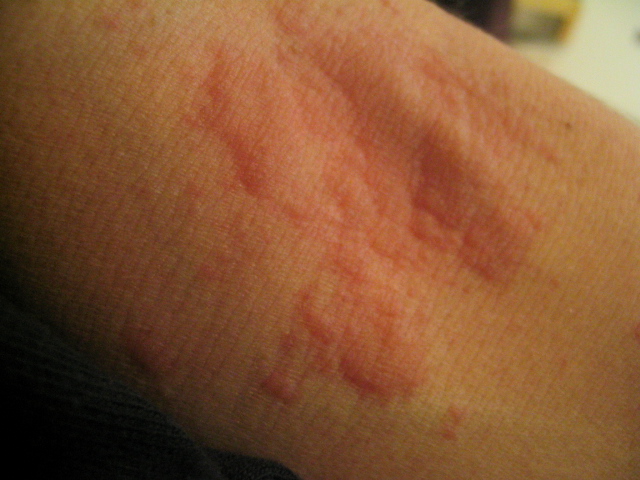
hives

flickr.com/ photos/ vilseskogen/ 5996576130

The top 10 allergens (and how to avoid exposure) …

  • Tixocortol pivalate (a steroid)
  • Propylene glycol
  • Methylchloroisothiazolinone
  • Formaldehyde
  • Cocamidopropylbetaine
  • Lanolin
  • Benzalkonium chloride
  • Fragrance and balsam of peru
  • Neomycin
  • Nickel

Tixocortol pixilate is a steroid present in creams like hydrocortisone acetate.  Usually this sensitivity comes across as a failure in treating a rash..or the rash gets worse.

Propylene glycol, benzalkonium chloride, and neomycin are frequentlflickr.com/photos/ espelina/ 24831708y found in topical creams.

Lanolin (also known as wool alcohol) is often found in emollients, medications and some personal care products.

Methylchloroisothiazolinone may be found in wet wipes and some sensitive skin products.

If you feel like you get a reaction, check the ingredients of your products.  If you do not have a clinical improvement after 8 weeks, I’d consider testing by a specialist.


Posted in Dermatology, General Medicine- Adults, Uncategorized | Tagged , , , , , , , , , | Comments Off on Top 10 list of allergens…

Do you need one more reason to breastfeed?

IMG_3419Do you need one more reason to breastfeed?
Breastfeeding has been found to help the infant populate their gut biome.   A study was recently done which showed that there is vertical transfer of microbes from the mother to her infant.  The infant gut is born without much gut bacteria and breast milk AND contact with the mother’s skin on her breast has been shown to seed the infant gut micro biome and maintain it even after solid foods are introduced.

This transfer of bacteria from mothers’ milk and skin to the infants’ gut is most prominent during the first month of the infant’s life and declines over time as formula and solid food are introduced.

Breastfeeding is suggested by the World Health Organization and American Academy of Pediatrics to be the exclusive form of nutrition from birth until 6 months and continued with food until at least 12 months.

Posted in Pediatrics, safety, Uncategorized | Tagged , , , , , , , , | Comments Off on Do you need one more reason to breastfeed?

What you should know about spider bites


165315677_e75a8ed872_o

flickr.com/photos/2littlebanshees/165315677/

As the weather gets cooler, spiders may come inside and here are some tips you should know about spider bites.

There are two medically important families of spiders.  Theridiidae (or widow spiders) and Loxoscelidae (or brown recluse spiders).

  • When black widow spiders bite it may feel like a sharp pinch with subsequent pain that develops over the next 30 minutes.The bite site may be surrounded by pale skin and then ringed with red.  The patient may also have systemic symptoms over the next 60 minutes or abdominal pain, sweating, nausea, vomiting, seizures and, very rarely, death.  If left untreated, symptoms resolve within 48 hours.
  • The bite of a brown recluse spider is often undetected with pain beginning over the next several hours.  The bite site may develop a blue macule or a characteristic red lesion with surrounding pale skin and then ringed with area of blue skin.  Over the next week a scab may develop and then fall off.  Systemic symptoms associated with a brown recluse bite are a flu-like illness with fever, headache and fatigue.  Rarely, patients can have muscle and blood breakdown and kidney failure.

What blood work do you need?

  • Black widow bite needs no labs.
  • Brown recluse (if severe envenomation suspected with systemic symptoms) may need complete blood count, electrolytes, kidney functioning and blood and muscle lab work if concerned about muscle and blood breakdown.

How can your physician confirm the diagnosis?  This is a clinical diagnosis, meaning no lab is needed for diagnosis.

What is spider bite treatment?

  • Black widow treatment includes local wound care including ice and elevation.  Watch for infection.  Tetanus vaccine should be given.  Pain medicine and muscle relaxants to be given, when needed.  An antivenom is available and considered for severe envenomation.
  • Brown recluse treatment also includes local wound care including ice and elevation  pain medicine.  Tetanus vaccine.  Antibiotics are not indicated unless the skin surrounding appears infected.  If there is significant skin sloughing, excision of skin may be warranted.

How to avoid a spider bite?

  1. Be aware that spiders prefer warmer temperature and they gravitate to dark locations like a shoe, glove and infrequently used clothing.
  2. Consider shaking out gloves, clothes, and shoes before putting them on.
  3. Wear long-sleeved shirts and pants outdoors (to avoid unearthing spiders under rocks and logs).

I hope this helps.

Posted in General Medicine- Adults, Uncategorized | Tagged , , , , , , , | Comments Off on What you should know about spider bites

My high school reunion side-bar medical question…

holding hands

flickr.com/photos /hebe/ 3310171434

I attended my high-school reunion this weekend and a friend sidelined me to ask if she could ask me a medical question.  Of course!

Truly, I am a family physician everywhere I go.  Medicine is a passion and a way of life.

Her question was “Should I have my teenagers get the HPV vaccine?”  What an easy question to answer.  “YES!”

HPV, human papilloma virus, is the known virus that changes cells on the cervix from normal cells to cancer cells.  It is also associated with head and neck cancers in males.  Per the CDC, every year 31,000 US women and men are diagnosed with a cancer caused by HPV.  Specifically, there are 12,000 women diagnosed with cervical cancer yearly with 4400 women dying from cervical cancer annually.  And, for men, 9100 men each year are diagnosed with HPV-related oropharyngeal cancers.

The HPV vaccine series is either a set of 2 or 3 vaccines, depending on what age you start the series.  If the first dose is given before age 13, it is 2 vaccines.  If first dose is after the 13th birthday, then it is a 3-dose vaccine series.

HPV vaccine is safe.  Please review the safety profile by CDC  https://www.cdc.gov/vaccinesafety/pdf/data-summary-hpv-gardasil-vaccine-is-safe.pdf

I hope this helps.  If you want more information look on the http://www.cdc.gov website.

Posted in Uncategorized | Comments Off on My high school reunion side-bar medical question…

I’m teaching doctors obstetrics!

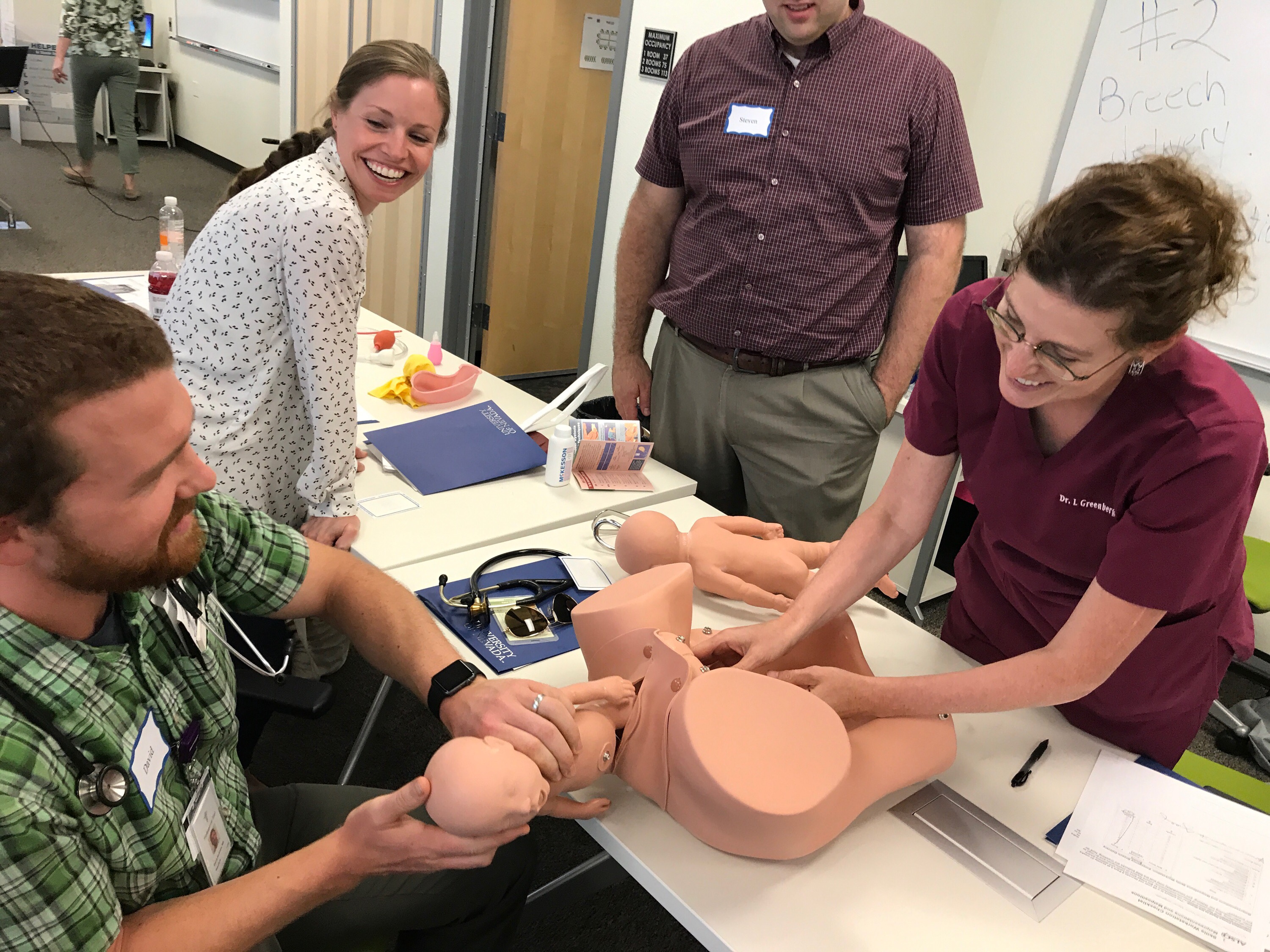
I’m teaching doctors obstetrics here at University of Nevada School of Medicine family medicine residency program.

Posted in Uncategorized | Comments Off on I’m teaching doctors obstetrics!

Great editorial on the changing medical times…

4007050954_425433df80_o

flickr.com/photos/ad7m/4007050954/

Great editorial on the changing medical times… In a recent Family Medicine journal one physician poetically writes about that contemporary medical practice is a continuous process of updating medical practices and frank change.  “Choosing Wisely” is a new practice which identifies wasteful and unnecessary medical care (including tests, treatments and procedures).

Oftentimes, patients and physicians alike would like to continue doing the same testing as was done before.  (For example, the antiquated annual pap smear.)  Change is inevitable.  Every test we order or treatment/procedure we perform carries the possibility of harm as well as the opportunity for benefit.  Often the elimination of testing is due to new information, not to cutting medical costs.  The goal is to decrease wasteful, unnecessary medical care that may harm without the possibility of benefit.

For more information on Choosing Wisely.. http://www.choosingwisely.org

Posted in General Medicine- Adults, Uncategorized | Tagged , , , , , , , , , | Comments Off on Great editorial on the changing medical times…

Proton pump weaning…

5168226269_60cd266e3c_o

flickr.com/photos/treverclark/5168226269

Proton pump weaning…  Many patients are on PPIs (like omeprazole) for gastroesophageal reflux disease.  It is thought that PPIs should only be used on a short-term basis for conditions like reflux or erosive esophagitis.

Consider stopping the PPI medication and instead take an over-the-counter H2-blocker (like Zantac or Pepcid).   Also, do “behavioral modification” like avoid food triggers (spicy or acidic foods, tobacco, alcohol, mint), eat smaller meals, and do not lie down within 3 hours of eating.

If you are unable to wean off of PPIs, then you should ask your doctor for ambulatory esophageal pH and impedance monitoring.  This will help discern if you have a functional syndrome or reflux.  Lifelong PPI treatment should not be done until this testing is done according to the “new best practices statement.”

I hope this helps.

Posted in General Medicine- Adults, medication issues, Uncategorized | Tagged , , , , , , | Comments Off on Proton pump weaning…

Traveling soon? See your family doctor for pretravel medical advice!

Pre-travel medical consultation will review many aspects of your trip– your destination, itinerary, medical history, immunization history and other details.   The best time to be seen is 6 weeks before departure to maximize benefit of immunizations and other preventive measures.

Did you know that the most common vaccine-preventable illnesses in international travelers are hepatitis A (awful diarrhea) and influenza (fever and cough).    Malaria prophylaxis is offered to travelers to endemic regions.  It is also beneficial for the traveler to use personal protection measures such as applying permethrin to clothing, using permethrin-impregnated bed net and effective insect repellant.  The most effective insect repellents contain 20 to 50% DEET or 20% picaridin.

What should you expect at your visit?  Your physician will review your medical history including immunization records, medications, allergies, and medical conditions.

The physician will discuss your destination, administer appropriate travel-specific vaccines (like typhoid fever, yellow fever, Japanese encephalitis, rabies, and cholera), give you a prescription for antibiotics (or Imodium) to take in case you come down with traveler’s diarrhea.

A few more pearls about traveler’s diarrhea…

  • taking medications that reduce gastric acidity (like proton pump inhibitors or antacids) significantly increases the risk of traveler’s diarrhea.
  • It has been shown that traditional advice, like avoiding food from street vendors and tap water and ice has NOT been shown to reduce the incidence of traveler’s diarrhea.
  • Conversely, hand washing DOES reduce the risk by 30% and alcohol-based hand sanitizers also significantly reduce the risk of traveler’s diarrhea.
  • Taking Pepto-Bismol two tablets four times a day for the entire trip reduces the risk by 50%.

Other discussion topics are travel-specific risks such as altitude sickness, safe sex practices (think Zika virus, STDs and HIV transmission) and emergency medical evacuation insurance.

Pregnant?  Most airlines will let you travel until 36 weeks gestation.

Want more information?  https://wwwnc.cdc.gov/travel/destinations/list

3310738012_960a23971a_o

flickr.com/photos/mrgranito/3310738012


Posted in Cancer, General Medicine- Adults, Uncategorized | Tagged , , , , , , , , , , | Comments Off on Traveling soon? See your family doctor for pretravel medical advice!

Premenstrual dysphoric disorder. What is it? How to treat it?

sad

.flickr.com/ photos/ bahkubean/ 1287879564

Premenstrual dysphoric disorder “PMDD”, aka “PMS.”  The strict criteria of this disorder affects up to 12% of women, although 80% of women report at least one physical (or psychiatric) symptom during the luteal phase (last 2 weeks of their “month”).  Most women do not report significant impairment of their lives.

The symptoms fluctuate, meaning if one year they are severe monthly, the next year they may feel fine.  Women who gained weight or had a stressful event in the past year are much more likely to have symptoms of premenstrual syndrome compared to those who did not.

Why does this happen?  Every month a woman’s hormone levels change.  The cyclical changes in estrogen and progesterone levels may trigger the symptoms.

What are the symptoms?

  • Angry outbursts
  • Confusion.  Depression
  • Social withdrawal.
  • Breast tenderness.
  • Headache.
  • Swelling of hands or feet.
  • Weight gain.
  • Abdominal bloating.
  • Anxiety.
  • Irritability.

Treatment focuses on relieving the psychiatric and physical symptoms.  Options include…

  • Antidepressants known as selective serotonin reuptake inhibitors (SSRIs) are the first-line treatment for PMS and PMDD    These medications can be taken continually or can be taken just during the luteal phase monthly.
  • Serotonin aSNRIs can also be used, although this is “off-label” meaning that the FDA has not specifically approved these medications for this medical indication.
  •  Oral contraceptives “The Pill” works best when it is used “continuously” meaning treat with active birth control pills for 112 days at a time.
  • Other medications like calcium  or Vitamin D supplementation or herbal preparations (like saffron, ginkgo, peppermint, angelica root, turmeric, tangerine leaf, bitter orange, St. John’s wort) were not found to help symptoms.

I hope this helps.

Posted in Emotional health, General Medicine- Adults, menstrual issues, Women's Health | Tagged , , , , , , , , , | Comments Off on Premenstrual dysphoric disorder. What is it? How to treat it?