Hormone Replacement Therapy (And the Alternatives)

flickr.com/photos/ godutchbaby/ 3233848513

When I started med school, estrogen was a panacea—beneficial for nearly every postmenopausal ailment: mood, heart and bone.  Then in 2002 the Women’s Health Initiative clinical trial was published.  This showed that combined estrogen with progesterone increased the risk of coronary artery disease, breast cancer, stroke and venous thromboembolism (blood clots).   Combined therapy, though, did decrease the risk of colorectal cancer, hip fractures, and total fractures.

Subsequent analysis of the data has shown that starting hormone therapy at the beginning of menopause might not increase cardiac risk compared with a start years after menopause (defined as “the stopping of menstrual periods for 6 months”) begins.

What are the options for you if you have hot flashes AND mood swings AND vaginal dryness?First, off, your physician should counsel you about the risks and benefits of hormonal therapy.  It is currently recommended that patients NOT use hormone therapy to prevent or treat cardiac disease. . . only use to decrease menopausal symptoms.

If you use hormonal therapy, consider stopping after three to five years.  Use the lowest effective dose to stop symptoms of menopause.  When you stop hormone therapy, you can taper or stop “cold turkey.”

What alternatives are there?   Numerous studies have shown the following
treatments are no better than placebo for hot flashes  acupuncture, dong quai, herbal formulations, red clover extract, kava, black cohosh, dietary soy, Chinese herbal
formulations or phytoestrogens.

What about bioidentical hormones?  Online marketing and word-of-mouth about compounded hormone formulations has increased recently.  These are unregulated formulations with unproven effectiveness or safety.  They may cause endometrial
hyperplasia (overgrowth of uterine lining tissue) which can lead to other
problems.  Patient’s should take these formulations knowing the risks and benefits.

What else is there? A few antidepressant medications decrease hot flashes by 61%.  Some specifics about this are… paroxetine is the only SSRI that has an FDA-indication for hot flashes.  But, venlafaxine, desvenlafaxine, citalopram, and escitalopram are also known to help.  Avoid sertraline or fluoxetine as these two medications within the SSRI family are not known to help.  If your hot flashes are mostly at night, gabapentin may be most helpful.

What should you do about vaginal dryness?  Estrogen cream helps with vaginal dryness and the effects have not been found to cause heart or blood clot problems.  Replens, an over-the-counter vaginal moisturizer is non-hormonal and has been shown to be as effective as vaginal estrogen for symptom relief.

Hope this helps.

Posted in menopause, Uncategorized, Women's Health | Tagged , , , , , , , , , , , , , , | Comments Off on Hormone Replacement Therapy (And the Alternatives)

Speech delay in children

flickr.com/photos/ jakmoore/ 2032495140

Well child checks are just that most of the time.  One of my goals is to assess for children meeting “developmental milestones.” At my new office we screen for this by reviewing the DDST, Denver Developmental Screening Test, with the parent.

There is a different DDST for every age because as the child ages, different skills should be mastered. The DDST reveals if your child is developmentally on track in four components: gross motor (like leg functioning), fine motor movement (finger functioning), personal/social (like eye contact), and speech.

Speech delay may cause your child to have problems saying words and phrases, putting feelings/thoughts into words, or have difficulty understanding what is said.

Some milestones by age are

  • 15 months of age: use at least three words
  • 18 months of age: follow one-step directions
  • 2 years of age: point to pictures of body parts when they are named
  • 2 ½ years of age: use original two-word phrases
  • 3 years of age: follow two-step directions.

Speech delay can be caused from hearing loss, intellectual disability, slow development, autism or cerebral palsy.

I encourage my two-language-households-families to speak BOTH languages. This is the time to introduce it! The parents (and their physician) should expect the child to mix up the two languages, but this should resolve by age 5.

If your child has a speech delay, your physician may opt to watch, perform a hearing screen, or send to speech therapy.

“Words, words, mere words, no matter from the heart.”  — William Shakespeare


Posted in Pediatrics, Uncategorized | Tagged , , , , , , , , , | Comments Off on Speech delay in children

Breathe. . . . . .. . . . gasp! snort! .. . .Sleep apnea

Sleep apnea is disruption of sleep (to both the patient and their bed-partner) and is harmful to the body.  Here are some nuts and bolts  about it. . .

What are the symptoms?

  • Snoring.
  • Frequent awakenings during sleep.
  • Daytime sleepiness.
  • Slower reaction time.
  • Reduced quality of life.

Why does it happen?  There is upper airway obstruction near the mouth or throat: at the tongue, soft palate or epiglottis.  Factors that make this more common are conditions that narrow the upper airway like

  1. obesity,
  2. enlarged tonsils,
  3. enlarged tongue or
  4. bony abnormalities of the head/neck.

Other associated risk factors are

  1. increasing age,
  2. men (two times more common than women),
  3. menopause,
  4. family history of sleep apnea,
  5. smoking, and
  6. nighttime nasal congestion.

flickr.com/photos/randar/ 185791934

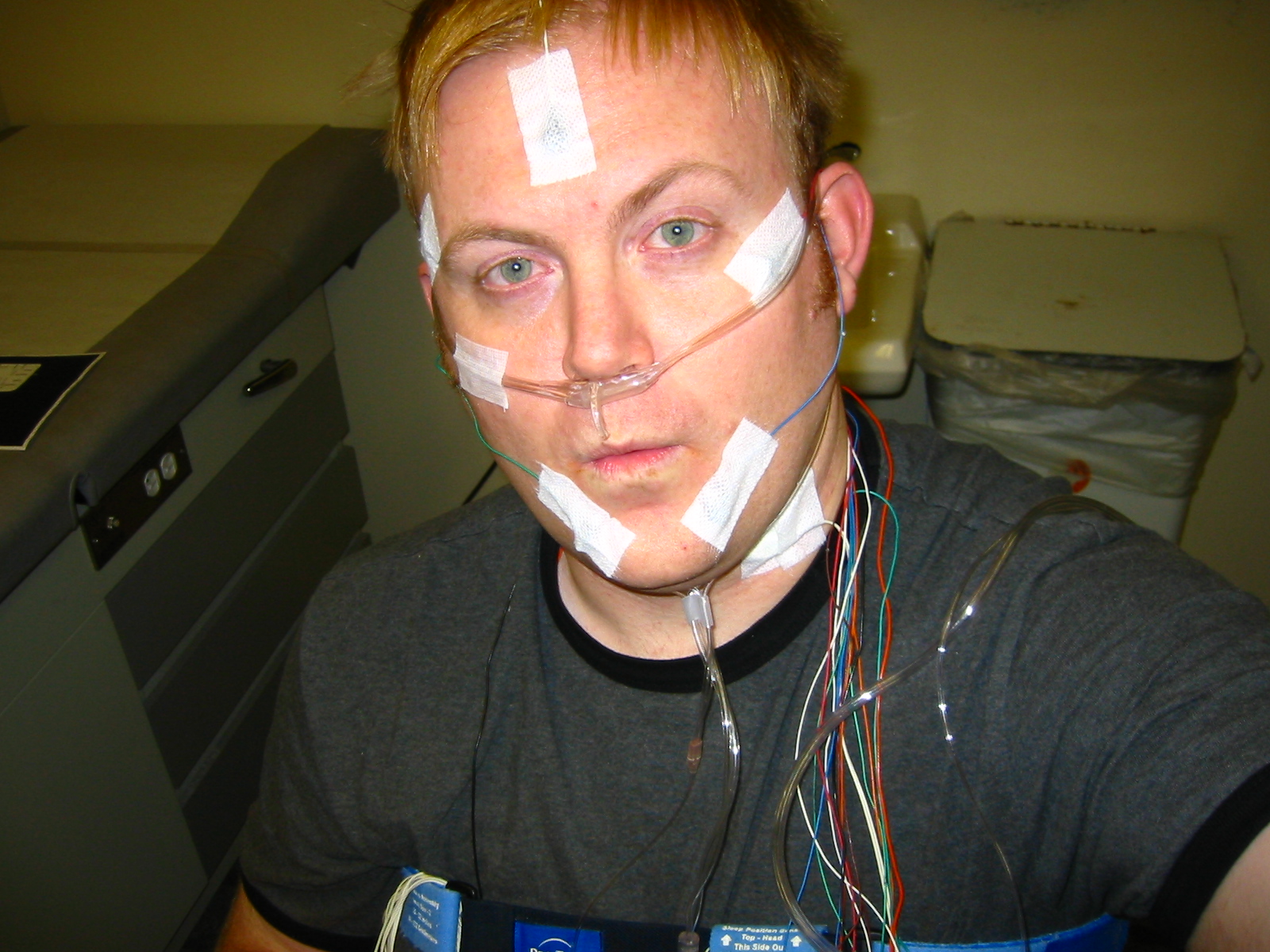
How is it diagnosed?  Sleep study.  You sleep at a sleep
lab with an oxygen saturation monitor on your finger, with a chest monitor to show chest rise, monitors on feet to show leg movements—nothing invasive, but lots of equipment.  After a night’s sleep the patient goes home (or work) and the tests results are evaluated.

If sleep apnea is untreated, the patient may have poor quality of life, high blood pressure, possible heart disease, and increased chance of a motor vehicle accident.

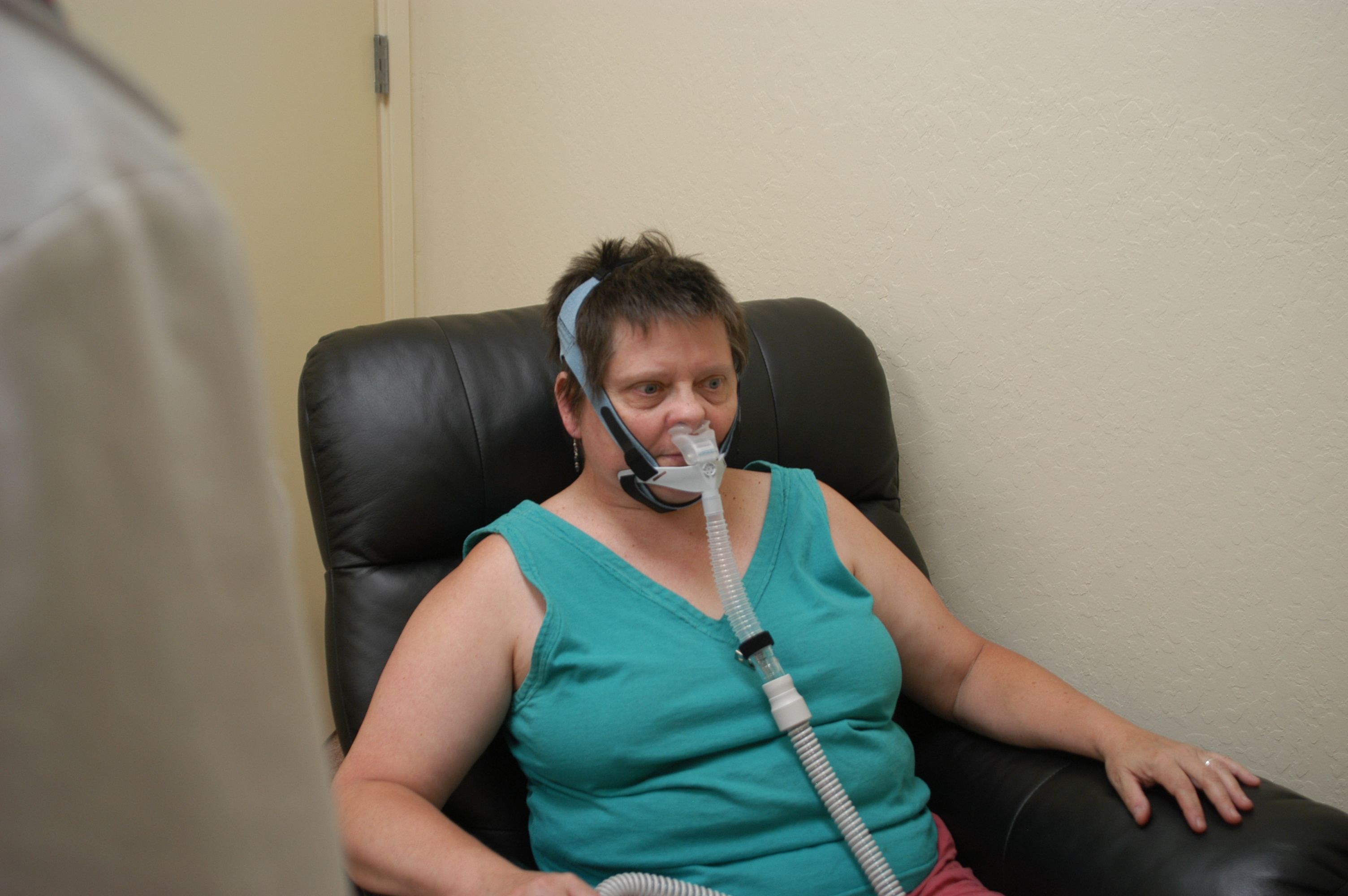
Mainstay treatment are continuous positive airway pressure (CPAP–see picture below) , oral appliances, and weight loss (which may make the sleep apnea
better).

flickr.com/photos/ safoocat/ 1384527532

Posted in General Medicine- Adults, Male issues, sleep disorders, Uncategorized | Tagged , , , , , , , , , , , | Comments Off on Breathe. . . . . .. . . . gasp! snort! .. . .Sleep apnea

What a great journey this LIFE is. . .

flickr.com/photos/ naroh091/ 4980382154

L’Shana Tova!  That means Happy New Year in Hebrew.   The Jewish New Year and my new job coincided.  And, boy, do I feel great!  I am
thankful for my supportive family, fantastic patients,  and the welcoming group that I have joined.  It is amazing when you are OPEN to change that change nearly finds YOU!

Many patients remarked last week how happy I look.  I am surprised by how much human nature is visible to others.  I thanked them for caring (and for appreciating my mood) when I know they were in to see me for their ailments.

What an interesting time this is.  I appreciate that we are all on a different
journey, intersecting at times, supporting one another and moving on.

I am one thankful woman.

Posted in Uncategorized | Tagged , , , , , , , , | Comments Off on What a great journey this LIFE is. . .

Flu vaccines are in at my office!

flickr.com/photos/ soloflight/ 4030623375

I frequently hear from my patients “I don’t get the flu” or  “The flu shot gave me the flu.”  I am armed with some CDC updates which, hopefully, will debunk some myths.

The “flu” is a respiratory virus which causes incessant cough, muscle (can’t-get-out-of-bed)-aches and high fever.  It is not a GI virus.  If you have ever had the flu, you know you do not want it again.

The seasonal flu infection occurs highest in children; whereas, the highest rates of serious illness and death are highest in those older than 65 years of age, children less than 2 years, and those with chronic medical conditions.

Who should get the flu vaccine?  All people 6 months and older.  The first time a 6 month old to 8-year-old is vaccinated, two doses of vaccine, spaced one month apart, are required to help you make a strong response.

Should I get the flu shot or the “mist”?  You can get the mist if you between the ages of 2 – 49 years old, not pregnant, without a history of asthma, or high risk patients (with COPD, cardiovascular disease, diabetes, renal, hepatic, neurologic, or HIV).  The mist is a “live attenuated” virus.   Some patients opt for the injection.  Both are effective and safe in the population as above.

Can I get the mist if I LIVE WITH someone who is immune compromised?  Yes, if the immunosuppressed person doesn’t require a protected environment.

Can I get the flu vaccine (either one) with other vaccines?  Yes.  Consider, if you are receiving another live attenuated vaccine (MMR or chicken pox vaccine) at the same time, to space them 4 weeks apart.  If the patient is 12-15 months of age, then it is well-studied and okay.

Can you cure the flu infection?  There are antiviral medications with activity against influenza viruses.  These are useful adjuncts and are effective ONLY when used early in the illness.  The antivirals decrease the length and severity of symptoms, but you are guaranteed to feel bad for a few days.

My office is giving flu vaccines now.  Come in and enjoy flu season. . .comfortably.

Posted in General Medicine- Adults, Pediatrics, Uncategorized, Vaccines, Vaccines | Tagged , , , , , , , , , | Comments Off on Flu vaccines are in at my office!

Doctor and Patient: Is a Well-Rested Doctor a Better Doctor? – NYTimes.com

NY Times article

I have been a physician for 16 years and have seen this monumental change in resident work hours.  Once grueling and life-altering, it has become more humane.  There is more life-balance (I can attest to that blessing as I became a community attending after training) but also there are patient continuity and depth of training issues to consider of the learning physician.    Here the NY Times reports on this issue. . .

Doctor and Patient: Is a Well-Rested Doctor a Better Doctor? – NYTimes.com.

Posted in Uncategorized | Tagged , , , , , , , , , , | Comments Off on Doctor and Patient: Is a Well-Rested Doctor a Better Doctor? – NYTimes.com

ooh so common foot pain. . . plantar fasciitis.

flickr.com/photos/flea_ef/ 4462368202

Is the first step of the day your worst?    Plantar fasciitis may be your problem.

Risk factors for plantar fasciitis are

  • excessive running,
  • high arch,
  • when one leg is longer than the other,
  • obesity,
  • occupations with prolonged standing or walking,
  • sedentary lifestyle,  and
  • Achilles tendon tightness.

Your physician will perform a history and physical which may reveal plantar fasciitis as the diagnosis.  X-rays are rarely needed.

Treatment can be done in stages.  Initial treatment should be tried for a few weeks.

  1. rest
  2. modification of activities,
  3. ice massage,
  4. pain medication, and
  5. stretching

    night splint flickr.com/photos/ cellphonesusie/1294933595/

If heel pain persists, then physical therapy, foot orthotics, and night splinting (see picture) may be needed.

Foot orthotics  are inserts that fit into shoes.  Ones that may help include over-the-counter heel cups, over-the-counter heel or arch orthotics, and custom-made foot orthotic.

90% of patients will improve with the above techniques.  Pain lasting 6 months depspite therapy may require shock wave therapy or a surgery called plantar fasciotomy.

Here’s a video of stretching exercises http://www.youtube.com/watch?v=t2KkdMlqRZU

Hope this helps.

Posted in foot health, General Medicine- Adults, Uncategorized | Tagged , , , , , , , , , , , | Comments Off on ooh so common foot pain. . . plantar fasciitis.

New guidelines: Do not screen the healthy for Vitamin D level

The Endocrine Society recently gave guidelines  that vitamin D lab work should only be obtained for those “at risk.”  Risk factors include

  • Obese,
  • African-Americans,
  • pregnant and breastfeeding women,
  • patients with malabsorption syndromes.

Not surprisingly, some causes of vitamin D deficiency include (the above), obesity, fat malabsorption syndromes, bariatric surgery, nephrotic syndrome.

This leads to the question of. . . How much Vitamin D should I take a day?  Well, it depends on your age. . .

Infants and children aged 0-1 require at least 400 IU a day to maximize bone health

Between ages 1 to 70, pregnant, or breastfeeding women require at least 600 IU/day

Adults 70 years and older require at least 800 IU/day

You’ll find VitaminD2 or D3 at the store and either can be taken for the treatment or prevention of Vitamin D deficiency.

Vitamin D is well documented to help with muscle strength and is therefore thought to help prevent falls in the elderly.  There is insufficient evidence to suggest vitamin D supplementation in excess of above recommended daily needs.  This is because there is insufficient evidence to show that Vitamin D prevents cardiovascular disease or death, or improves quality of life.

Look at the chart below for dietary Vitamin D or take a vitamin D supplement.  Hope this helps.

Table 3: Selected Food Sources of Vitamin D
Food IUs per serving* Percent DV**
Cod liver oil, 1 tablespoon 1,360 340
Salmon (sockeye), cooked, 3 ounces 447 112
Mackerel, cooked, 3 ounces 388 97
Tuna fish, canned in water, drained, 3 ounces 154 39
Orange juice fortified with vitamin D, 1 cup (check product labels, as amount of added vitamin D varies) 137 34
Milk, nonfat, reduced fat, and whole, vitamin D-fortified, 1 cup 115–124 29–31
Yogurt, fortified with 20% of the DV for vitamin D, 6 ounces (more heavily fortified yogurts provide more of the DV) 88 22
Margarine, fortified, 1 tablespoon 60 15
Liver, beef, cooked, 3.5 ounces 49 12
Sardines, canned in oil, drained, 2 sardines 46 12
Egg, 1 large (vitamin D is found in yolk) 41 10
Ready-to-eat cereal, fortified with 10% of the DV for vitamin D, 0.75–1 cup (more heavily fortified cereals might provide more of the DV) 40 10
Cheese, Swiss, 1 ounce 6 2

* IUs = International Units.

Posted in General Medicine- Adults, Uncategorized | Tagged , , , , , , , , , | Comments Off on New guidelines: Do not screen the healthy for Vitamin D level

My husband was chosen as a Wichita “Health Care Hero”

“Health care hero”. . . and my hero.  Congratulations to my husband.

Dr. Mark Stovak –  Wichita Business Journal.

http://www2.bizjournals.com/wichita/events/2011/health_care_heroes/2011/07/dr-mark-stovak.html

Posted in Uncategorized | Tagged , | Comments Off on My husband was chosen as a Wichita “Health Care Hero”

Packaging Error Leads to Recall of Multiple Lots of Oral Contraceptives

A recent packaging error may make your contraceptive choice unsafe.  Please read the article to assure that your oral contraceptives are not among the recalled.  Read on. . . .

Packaging Error Leads to Recall of Multiple Lots of Oral Contraceptives — AAFP News Now — American Academy of Family Physicians.

Posted in contraception, Women's Health | Tagged , , , , , , , , , , , , | Comments Off on Packaging Error Leads to Recall of Multiple Lots of Oral Contraceptives