Hooked on hookah?

Here in Wichita hookah bars are popping up (seemingly) everywhere!  Waterpipe tobacco or “hookahs” are becoming a popular way to smoke.  Studies have shown nearly 20% of college students have smoked hookah in the past 30 days.

My little foray into the history books revealed that a 17th century physician in India proclaimed tobacco sent through water renders it “harmless.”  This falsehood continues today.

The hookah allows the smoke to pass through the water before it is carried by a hose to the smoker.  The tobacco burns using wood cinders or charcoal which likely increases health risks as they produce their own toxic chemicals.  The health effects are substantial.

According to the U.S. Centers for Diseases Control and Prevention:

  • The addictive drug nicotine is delivered and is at least as toxic as cigarette smoke.
  • The cool temperature of the smoke allows for greater depth of inhalation
  • A typical 1-hour-long hookah smoking session involves inhaling 100-200 times the smoke inhaled from a single cigarette.
  • Hookah smokers are at risk for cancers (like oral, lung, stomach and esophagus), reduced lung function, and decreased fertility.
  • Sharing a waterpipe mouthpiece with companions may spread tuberculosis and hepatitis.

The tobacco is often sweet and flavored to appeal to those who would not dream of smelling like tobacco.  The fruity-flavored nicotine still emits

  • carbon monoxide
  • nicotine
  • tar
  • heavy metals like lead, copper, zinc, cadmium, and chromium
  • volatile aldehydes (like formaldehyde–the chemical to embalm dead bodies )

Just sitting in a hookah bar is equivalent to smoking 15 to 20 cigarettes and has high levels of heavy metals such as arsenic, lead and cadmium.

Just say “no!” and meet at a coffee bar instead.

Posted in General Medicine- Adults, lung conditions, lung conditions, nicotine, oral health, Pediatrics, smoking, throat conditions, Uncategorized | Tagged , , , , , , , , , , , , | Comments Off on Hooked on hookah?

Did you just smoke your last cigarette?

Frequently my smoking patients ask “HOW can I stop?”

My goal is to “stack the deck” so that you are more successful.  Surveys show 70 percent of smokers want to quit.  Over 40 percent have tried to quit in the past year by intentionally not smoking for at least 24 hours.

The long-term success rate of any one unaided quit attempt is low, with only 5 to 7  still abstinent one year later. With optimal treatment, one-year abstinence rates after a single quit attempt can exceed 30 percent!  Few patients seek a physician’s help and most don’t use the most effective treatment.  Most former smokers made several quit attempts before succeeding.  I view tobacco use as a chronic relapsing disorder whose management requires an approach like that of diabetes and hypertension.

Nicotine is highly addictive. It’s a potent psychoactive drug that skillfully causes physical dependence and tolerance. In the absence of nicotine, a smoker develops cravings for cigarettes with symptoms like

• Depressed mood

• Insomnia

• Irritability, frustration, or anger

• Anxiety

• Difficulty concentrating

• Restlessness

• Decreased heart rate

• Increased appetite which  may lead to weight gain

Pharmacotherapy for smoking cessation aims to relieve the symptoms of nicotine withdrawal and/or make smoking less physically rewarding, thereby making it easier for a smoker to stop.  Experts agree that a trifecta of nicotine replacement, buproprion, and counseling may work best.

There are many nicotine replacement products:  gum, patch and lozenges.  Few trials have directly compared them.  Their most common side effects are insomnia and vivid dreams.  The patch gives a constant amount of nicotine whereas the gum can be used to respond to cravings.

Buproprion is an antidepressant which helps decrease withdrawal symptoms.  This should be started 7 days before desired quit date.  It DOUBLES the likelihood of successful cessation.

Behavioral counseling will help.  1-800-QUIT-NOW provides telephone counseling.  Computer counseling increases abstinent rates by 45%.

Before quitting, you must decide that you want to quit, pick a date, tell loved ones/coworkers your plan (so they will support and not tempt you) and call your doctor today.

Posted in nicotine, Uncategorized | Tagged , , , , , , , , | Comments Off on Did you just smoke your last cigarette?

. . . still counting sheep?

Insomnia or sleep disorders can affect every facet of your life.  Patients with insomnia have impaired daytime function due to many forms of insomnia: difficulty initiating sleep/ maintaining sleep, or poor quality sleep. By definition, insomnia occurs despite having adequate time and opportunity for sleep.

7% of adults have insomnia each year, more common in women than men. Patients may have a previous episode of insomnia, a family history of insomnia, a predisposition toward being more easily aroused from sleep, poorer self-rated health, or feel more body pain.

As a physician I investigate for co-existing problems:  medical, psychiatric, neurologic, pulmonary problems. . . or medication side effects.

What should you do?

Honor your circadian rhythm.  Go to bed and rise the same time–regardless if it is a weekend.  (Those who work the night shift have an especially difficult time.)  Good sleep hygiene includes

  • maintaining a regular sleep schedule
  • no alcohol, caffeine, or nicotine intake before bedtime
  • no mentally or physically stimulating activities at bedtime
  • using bed for sex or sleep only
  • keeping bedroom dark, cool and quiet

Discuss with your doctor any medications you are taking, as blood pressure medications, antidepressants or diet pills are known to cause insomnia.

If your mind races, talk to your doctor about anxiety symptoms.  Keep a notebook by your bedside to write down thoughts which may seem to keep you awake.

Nightie night!

Posted in General Medicine- Adults, sleep disorders, Uncategorized | Tagged , , , , , , , , , , | Comments Off on . . . still counting sheep?

Take care of your pearly whites

. . . I  know I’m not a dentist, but I do care for kids (and parents) who need dental advice.  Those pearly whites need some care to stay healthy. . .

At physician visits, dental screening should start at 5 months.  This will reveal new teeth erupting, oral lesions or abnormal development.  Textbooks state most kids get their first tooth at 7 months of age.  Teeth routinely show up in pairs.

To avoid cavities avoid. . .

  • Prolonged breast or bottle feeding (>12 months)
  • Frequent consumption of sugary beverages and snacks
  • Use of a training cup (sippy cup) throughout the day
  • Drinking a bottle at bed time (unless filled with tap water)
  • Taking liquid medication for longer than three weeks
  • Insufficient fluoride exposure
  • Visible plaque on upper front teeth
  • Enamel pits or defects
  • Exposure to passive tobacco smoke

The American Academy of Pediatric Dentistry suggests a first dental visit be at one year of age, but many dentists will not see a child so small.  Most all dentists accept children by 3 years of age.  Parents can clean a child’s teeth with a wet washcloth or soft-bristled toothbrush once daily from 6 months to 24 months.  This makes the child aware dental hygiene will be performed daily and it extracts food and bacteria from the mouth.  After 24 months this should be done twice daily.

To avoid fluorosis (discoloration and softening of the teeth from too much fluoride), use a pea-sized amount of fluoride toothpaste and beware of kids eating the toothpaste (Hey, the bubblegum flavor is tasty!)  Flossing should be started when teeth touch and toothbrush bristles cannot reach between the teeth.

Fluoride supplementation should be considered starting at 6 months.  Wichita water is nonfluoridated, so local children need fluoride from oral rinses, supplements or toothpaste.

One other common mouth problem to consider is teeth grinding.  ¼ of kids do this with the peak age between 7-10 years.  Children usually stop grinding, rarely needing intervention.

Adult teeth grinding is another matter altogether. . .

Posted in oral health, Uncategorized | Tagged , , , , , , , , , , | Comments Off on Take care of your pearly whites

The low down on food poisoning

I have seen a “rash” of food poisoning patients this week in Wichita.  It’s time for some food safety education.  First off, the CDC defines a foodborne disease outbreak as any cluster of two or more people who develop similar symptoms after eating a common food.

The cause of food poisoning can be chemical, bacterial or viral.  Clues for the cause may be evident by the timing between eating . . .and symptoms of vomiting and diarrhea.

Commercially (or institutionally prepared food) causes 79 percent of food poisoning cases. Our society is fast-paced and on the move, grabbing food on the go. This burgeoning market for quick, convenient, and inexpensive food requires careful handling and food storage.

Irradiation of food is approved by the US Food and Drug Administration.  It is extremely effective in reducing pathogens in flour, fruits, vegetables, meats and spices.  Irradiating food prolongs shelf life, delays ripening time for fruit, and destroys the bacteria that cause foodborne illnesses.

Other rules to follow

  • Avoid contact between cooked and uncooked foods.
  • Refrigerate foods promptly after purchase, preparation, or eating.
  • Wash hands and preparation surfaces after touching raw meats, poultry, fish, and eggs (before contact with other food)
  • Cook meats, poultry, fish, and eggs thoroughly
  • Maintain proper refrigerator (32-40 degrees F) and freezer (0 degree F) temperatures
  • never leave cooked foods at room temperature for more than two hours (shorter during summertime).

Bon appétit!

Posted in food, food, General Medicine- Adults, Pediatrics, Uncategorized | Tagged , , , , , , , , , , , | Comments Off on The low down on food poisoning

How much is a spoonful of sugar?

The National Safety Council’s data shows that non-narcotic and non-hallucinogenic drugs killed over 9,000 Americans in 2003 (most recent data).

The importance of the DOSE and the FREQUENCY of medication cannot be understated.

According to the American Academy of Pediatrics, research shows that as many as half of children on medication take it improperly. The following tips can help adults take (and give) medication correctly.

  • Follow the schedule. Give medication at the intervals specified in the instructions. Don’t skip a dose.
  • Follow the dosage guidelines. If the medication is a syrup, use a milliliter dropper or cup.
  • Giving a larger dose will not speed up recovery and can actually make you sicker.
  • For children: know your child’s weight. The recommended dose is determined by weight rather than age.
  • For adults: let your doctor know if you have liver or kidney problems, it may affect your ability to break down a medication.
  • Give the full course. Do not stop the medication even if your child feels better or protests.
  • Use child-resistant caps in a locked, childproof cabinet not in the bathroom(humidity affects medication)
  • Be sure your doctor knows all your medications and any known allergies.
  • Inform the physician of any reaction to the medication or if you (or your child) is not better.

A spoon should be used for soup, not medication.

Posted in General Medicine- Adults, medication issues, medication issues, Uncategorized | Tagged , , , , , , , , | Comments Off on How much is a spoonful of sugar?

Stop your kid from starting smoking

90% of tobacco users start before age 18 (read this: while they still live in your home).  I am a mother of three who feels passionately about my children not using any form of tobacco. As a physician I have presented the AAFP Tar Wars Program to 5th graders–an anti-smoking program aimed at 10-year olds.

Here is the skinny on how to approach the smoking issue. . .

Teaching short-term smoking effects are most immediate and effective for kids.

  • Bad “zoo” breath
  • Smelly clothes and hair
  • Yellow teeth and fingers
  • Holes or spit stains in clothes
  • Coughing/hacking up phlegm
  • Difficulty running
  • Expensive (on average $5/pack)

Long-term effects are emphysema and cancer. Kids can “feel” the emphysema by running in place while breathing through a straw. Gasp. Wheeze.

Parents need to be aware of the Herculean outside influences–peer pressure and the media. Smoking in the movies is known as the single biggest media risk enticing young people to starting smoking. Smoking in PG-13 movies increased 50% after Big Tobacco signed agreements to end product placement in movies. Tobacco companies spend $34.2 MILLION a day to encourage smoking.  RJ Reynolds Tobacco Company has introduced dissolvable smokeless products flavored like candy.  Snus is flavored (like peppermint) smokeless tobacco in a small teabag-like pouch put between the lip and gum.  It is linked to oral cancer. 

“Smokeless” is not harmless.

Be vocal. Be vigilant. Start early. 

www.raisesmokefreekids.com

Posted in lung conditions, Pediatrics, smoking, throat conditions, Uncategorized | Tagged , , , , , , , , , , , , | Comments Off on Stop your kid from starting smoking

Good Riddance Day! Emotional baggage be gone!

Today NYC’s Times Square today hosts its fourth annual Good Riddance Day. This event allows individuals to bring paper (bills, love letters, photos, divorce decrees, notes of a least favorite memory) to ceremoniously shred. It is concrete, definitive and visual– a great way to dispose of emotional baggage. I love this!

2011 is around the corner and the media is pushing for grandiose New Year’s resolutions. Most are nearly impossible to reach (or to sustain) and may lead to disappointment that indeed you couldn’t achieve your goal (of a 50 pound weight loss or complete job satisfaction). . .

May I suggest that you celebrate YOU! You are unique. . . you are years into your individual journey. You are honing your personality, redefining your goals and making your pathway to reach them.

  • May the New Year remind you to slow down: be deliberate, be passionate, be positive.
  • Lift yourself up and lift up others. (Sometimes it only takes a thoughtful word or a smile to inspire those around you to achieve something you wouldn’t without that extra boost).
  • Give of your time and your heart.
  • Be in the moment (put that Blackberry down) and be PRESENT.
  • Accept yourself and move on. Embrace what life has to offer.
  • Enjoy yourself.

There is no need to beat yourself up emotionally. . .life is to be cherished. Make your amends with others and with yourself.

Call me a fan of the paper shredder.  Shred away. . . and feel the freedom of your upcoming year.

Posted in Emotional health, General Medicine- Adults, Uncategorized | Tagged , , , , , , , , , , | Comments Off on Good Riddance Day! Emotional baggage be gone!

Mammograms. No big deal. Just get one.

There is no controversy that women aged 50 to 69 need screening mammography.  The question is whether women older and younger benefit.

Studies have estimated that mammography detects about 75% of breast cancers in women in their 40s, compared to 90% of breast cancers in women in their 50s and 60s.  This is most likely because younger breasts are more dense and difficult to evaluate.

The age to start mammography is suggested at age 40 (per American Cancer Society). The ideal interval for screening mammography is not known, experts suggest every one to two years.  The US Preventive Services Task Force recommends screening until age 74.  Although, there is merit in breast cancer screening as long as a woman has a life expectancy of at least 10 years.

Women with breast implants should also have mammograms.  The implants may impair the ability of the radiologist to accurately read the mammogram, but technicians use special techniques to help show the breast tissue.  The implants should not be harmed.

You can calculate your level of breast cancer risk.  The most commonly used breast cancer risk assessment tool is www.cancer.gov/bcrisktool/

So, call for an appointment.  It is easy, your breast is only handled for a few minutes (and squeezed for a few seconds), and the results can help you live a long time.

Posted in breast, Uncategorized, Women's Health | Tagged , , , , , , , , , , | Comments Off on Mammograms. No big deal. Just get one.

Is the shingles vaccine right for me?

Do you want to avoid a painful rash and long-term nerve pain?  Are you older than 60?

The Zostavax vaccine, which decreases the chance of shingles, has been in short supply (and is expected to be through 2011).  Our office got a shipment this week.  It feels like the Nevada Gold Rush, with many adults vying for vaccine doses.  If I were older than 60, I’d be in line to get it too!

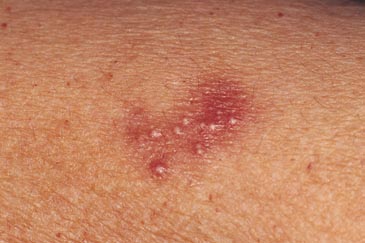
Shingles, also called herpes zoster, is a painful condition.  Most of us have been exposed to chicken pox either by an infection or by the vaccine.  Once exposed, our body holds onto the virus in a dormant stage (like bears hibernate in the winter, so does the varicella virus).  It may “awaken” or reactivate as we get older and/or our immune system weakens.

Pain, burning, or a “bug-crawling-under-the-skin” sensation may occur before the rash erupts.  Herpes zoster is a one-side-of-the-body skin rash.  Post herpetic neuralgia is the dreaded condition we want to avoid.  It is a fancy term meaning after-herpes-nerve-pain. This may occur at the site of the rash for years, even after the rash has resolved. 

The herpes zoster vaccine, “Zostavax,” has been studied extensively.  Immunization decreases the incidence of shingles by 51%.  The vaccine significantly shortens the number of days that those who do get shingles have the pain and discomfort.  The incidence of  post herpetic neuralgia was reduced by 67% in the vaccine group.  It seems to be a win-win-win situation to me.

shingles infection

The vaccine is suggested to be given once after the age of 60 regardless if the patient has had shingles before or not.  The vaccine should not be given to immune suppressed people (HIV, pregnant women, leukemia, certain cancer patients).  We are uncertain how long after the vaccine is given it is effective.  It is the best we have now.

 Hope this helps!

Posted in Dermatology, General Medicine- Adults, infections, Uncategorized, Vaccines | Tagged , , , , , , , , , , , | Comments Off on Is the shingles vaccine right for me?