Hepatitis C. What? Should I get tested?

flickr.com/ photos/ lynnfriedman/ 8703242835

flickr.com/ photos/ lynnfriedman/ 8703242835

Hepatitis C is a virus infecting the liver.   It may cause serious liver damage or even death.

How do you get it?  It is spread by exposure to hepatitis C (HCV) infected blood or body fluids.  High-risk patients are those who

  • received blood products with clotting factors before 1987 or
  • received a blood transfusion or
  • organ transplant before July 1992 or
  • those with a history IV drug use or
  • have HIV or
  • have been on kidney dialysis for several years or
  •  babies with HCV positive mothers or
  • public safety workers who have been stuck with a needle or other sharp objects contaminated with blood or fluid.

How many people have it?  An estimated 3 million American adults are infected. Most of them do not know it.  It is suspected that 3% of baby boomers have HCV.

Why get tested?  The Centers for Disease Control (CDC) recommended last year that all baby boomers (those born between 1945 and 1965) be screened for HCV.  There is treatment which helps to clear the virus from the body in the hopes of preventing progression of cirrhosis and end-stage liver disease or liver cancer.

The CDC Director Thomas Frieden has said “the take-home message …is that you may not remember everything that happened in the ’60s and ’70s, but your liver does.”

How do you get screened?  A simple blood test.  Ask your doctor.

Posted in General Medicine- Adults, infections, Uncategorized | Tagged , , , , , , , , , , | Comments Off on Hepatitis C. What? Should I get tested?

Do asthma and exercise go together? Yes. Here’s how…

flickr.com/photos/ jaypoct/ 2429061604/

flickr.com/photos/ jaypoct/ 2429061604/

Asthma affects 300 million people worldwide.   Research pooled nearly 700 patients and found that physical training lasting for at least 20 to 30 minutes, two to three times a week, for at least six weeks improves physical fitness in patients with asthma.  This physical training did not worsen asthma symptoms and it significantly improved health-related quality of life.

If you have asthma, make sure that your symptoms well controlled before you start exercising.  The goal of asthma treatment/medication is so that you live your life to the fullest!

Posted in asthma, General Medicine- Adults, lung conditions, Pediatrics, Uncategorized | Tagged , , , , , , , , , , , | Comments Off on Do asthma and exercise go together? Yes. Here’s how…

Pregnant? You need a Tdap!

flickr.com/photos/ summerbl4ck/ 3093533735

flickr.com/photos/ summerbl4ck/ 3093533735

Tdap is a vaccine–containing tetanus and pertussis.  A new immunization schedule recommends that a dose of the Tdap vaccine be given to all women during each pregnancy, whether or not she has received the vaccine before.  This is a change!

This may seem a bit extreme, but the basis of the new recommendation is clear.  There has been a HUGE pertussis epidemic with more than 40,000 cases reported last year, infants disproportionately affected.  Of note, most pertussis deaths and hospitalizations occurred in babies under 3 months of age.

How does this work?  It is thought that a Tdap in the last third of the pregnancy provides immunity to the mother with effective antibody response and placental transfer of pertussis antibodies to the fetus.  In addition the “cocooning” strategy speculates the vaccine likely  provides passive immunity for infants even after birth, until the first Tdap vaccine is given to the baby at a routine well child check.

Are there risks with giving this to the mother and fetus?  None known.   To date, there is no data suggesting increased fetal, maternal or pregnancy risks.

Posted in Obstetrics, Uncategorized, vaccines | Tagged , , , , , , , , , , , , , | Comments Off on Pregnant? You need a Tdap!

Cold sores. What works to stop them?

flickr.com/photos/ gorbould/ 8204061961

An epidemiology and biostatistics student (what a mouthful!) answered the question of –how effective is therapy for preventing recurrence of cold sores due to herpes labialis?

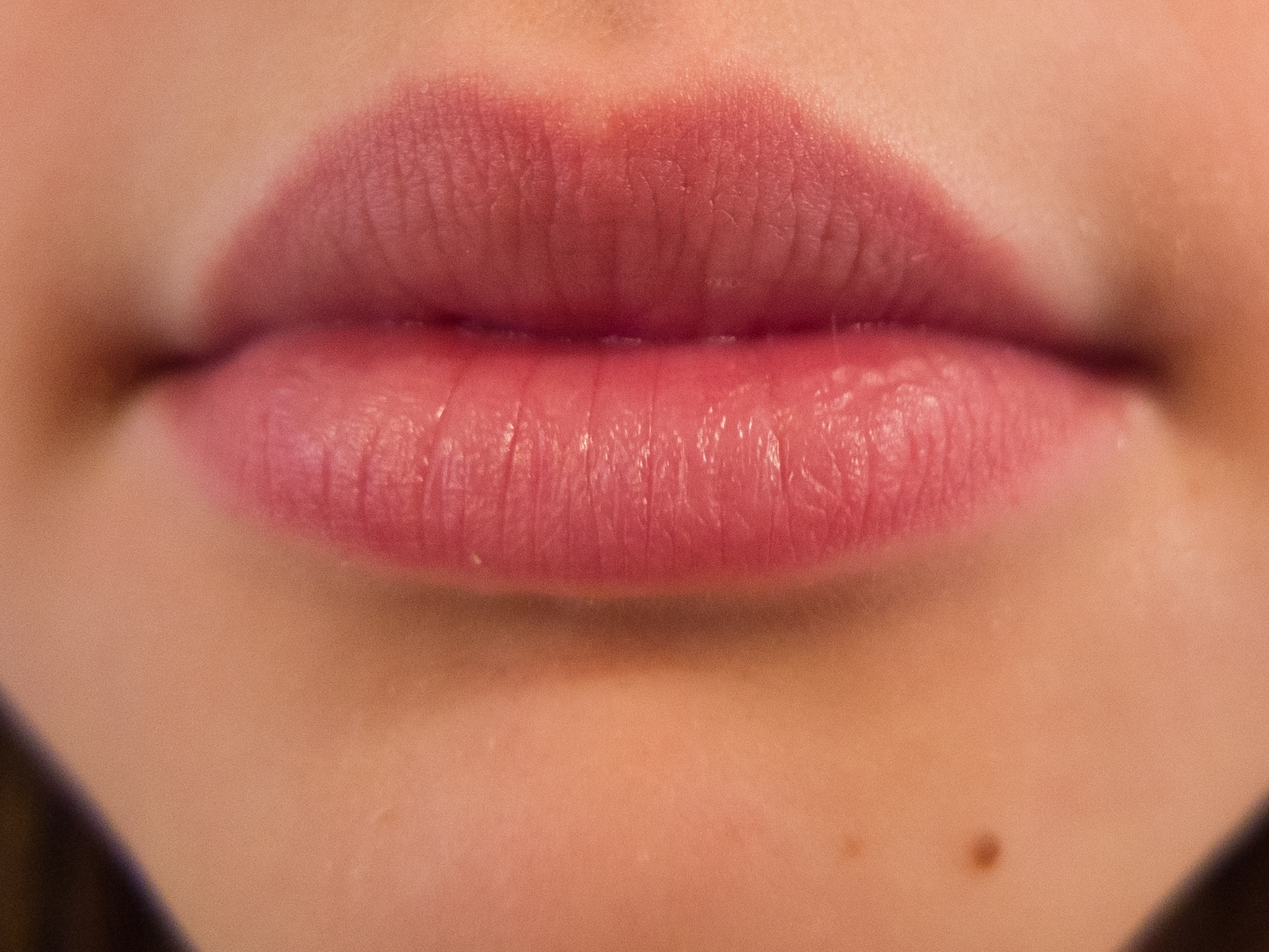
Cold sores are commonly caused by herpes simplex virus type 1.  More than 90% of us have been exposed to this.  1/4 of us with HSV1 experience periodic viral reactivation, usually in the form of a cold sore on our lip.

The 10 studies showed that acyclovir and valcyclovir (two commonly prescribed antivirals) are more effective than placebo (sugar pills) in stopping recurrences of cold sores.  Systemic therapy (pills) were more effective than topical (cream).  All forms of medication were well tolerated by patients.

So, if you are plagued by cold sores, talk to your doctor about therapy.

Posted in Dermatology, General Medicine- Adults, infections, Uncategorized | Tagged , , , , , , , , , , , | Comments Off on Cold sores. What works to stop them?

Four lifestyle changes decrease death risk by 80%!

flickr.com/photos/ chrisbevan/ 39328690

Johns Hopkins study ( of over 6200 patients) found that four lifestyle chances reduce the chance of death from ALL CAUSES by 80 % over an eight-year period over those with none of the healthy behaviors.

Drum roll please…….

  1. Mediterranean diet
  2. exercise
  3. normal weight
  4. not smoking

Hope this helps!

Posted in General Medicine- Adults, Uncategorized | Tagged , , , , , , , , , , | Comments Off on Four lifestyle changes decrease death risk by 80%!

The “Pill” may lower cancer rates…

flickr.com/photos/ ucirvine/ 8137526399Researchers pooled information from 24 studies and found that oral contraceptive users had a 27% lower risk of ovarian cancer.  The longer the use of the Pill, the more protection noted.  (If the Pill was taken for 10 years or longer, the risk was half as likely to develop ovarian cancer compared to those who never used them.)

The researchers state that this doesn’t PROVE that the Pill decreases ovarian cancer.  There may have been other confounding differences between women who took the Pill and those who didn’t.

For background, 1 in 72 women will be diagnosed with ovarian cancer in her lifetime.  Often, ovarian cancer is found at an advanced stage which makes it difficult to cure.  So, researchers are eager to find ways to decrease a woman’s chance of developing it in the first place.

Want to see more?  Look up Obstetrics and Gynecology Journal, online June 6, 2013.

Posted in contraception, Uncategorized, Women's Health | Tagged , , , , , , , , , , | Comments Off on The “Pill” may lower cancer rates…

Warning: Consider stopping energy drinks. Here’s why…

flickr.com/photos/ dukeenergy/ 4586655939Energy may be dangerous and yet drinks are becoming more popular.

As a physician I need to be aware of their potentially harmful effects.  The list of supplements used in energy drinks is lengthy.   As a consumer, you may not be aware of all the additives–as the labeling may not be complete.

Additives may include amino acids (like taurine and 5-hydroxytryptophan) and herbal products (like guarana, yohimbine, and ginseng) and bitter orange (containing synephrine) and ephedra (which is a stimulant).

The first energy drink was introduced in the US in 1997.  Since then, consumption has increased exponentially.  Did you know there were 200 new brands launched between 2006 and 2007?

Energy drinks have not been in existence long enough to build solid, evidence-based research to show long-term harm.  But, there is concern regarding their ingredients and the amounts.  Energy drinks can contain more than 500 mg of caffeine per serving.  Compare this to 75-150 mg of caffeine for a cup of coffee.  In addition, many of the herbs may also contain caffeine.  The side effects of consuming large amounts of caffeine may be fast heart rate, insomnia, anxiety or even acute caffeine intoxication and then withdrawal.

Interactions and side effects are important!

  • bitter orange can cause cardiovascular side effects
  • ginseng can cause bleeding problems and lower blood sugar levels
  • 5-hydroxytryptophan should not be combined with MAO inhibitors (a class of blood pressure medication)
  • Yohimbine can interact with blood pressure medication or tricyclic antidepressants
  • ginseng can change the effectiveness of the blood –thinner warfarin (coumadin).

Consider stopping energy drinks…

Posted in Uncategorized | Comments Off on Warning: Consider stopping energy drinks. Here’s why…

Newsflash: Anger is bad for your health!

flickr.com/photos /sudjuanda/ 2319413348

flickr.com/photos /sudjuanda/ 2319413348

Anger may increase your risk of heart attack.  A study of nearly 4000 patients showed each increment of anger intensity increased the risk of heart attack in the two hours following an outburst.  If a patient is “moderately angry, so hassled it shows in your voice” increases the risk of heart attack by 1.7 times.  The risk of heart attack is 2.3 times greater after feeling “very tense, body tense, clenching fists or teeth.”  If you are feeling “enraged, lost control, throwing objects, hurting yourself or others” this resulted in the study in 4.5 times greater chance of heart attack.

Researchers extrapolated the greater the fury, the higher the risk of heart attack.

Consider yoga and meditation to help quell the anger.

Posted in Uncategorized | Comments Off on Newsflash: Anger is bad for your health!

Prostate cancer test recommendations change

flickr.com/ photos /sicilianitaliano/3281602519

flickr.com/ photos /sicilianitaliano/3281602519

The American Urologic Association (AUA) changed their guidelines regarding screening for prostate cancer.  The AUA now recommends AGAINST all routine prostate-specific antigen (PSA) testing.  It also recommends against screening men older than 70, men younger than 40 and average-risk men between ages 40-54.

This is a significant change.  This means that health fairs and hospital screening events should not offer PSA.

There is still some controversy regarding high-risk men 40-54 (like those with a strong family history of prostate cancer) and all men 55-69.  The AUA now calls for physicians to discuss the “limited potential benefits and substantial harms of screening for prostate cancer” with these patients whereas other screening organizations like the US Preventive Services Task Force and the American Academy of Family Physicians states that the PSA shouldn’t be used at all.

The AUA admits that for men ages 55-69 the decision to undergo PSA screening involves weighing the benefits of preventing prostate cancer mortality in 1 man for every 1,000 men screened over a decade against the know potential harms associated with screening and treatment (incontinence and impotence).

Interesting controversy…

Posted in Uncategorized | Comments Off on Prostate cancer test recommendations change

Rheumatoid arthritis

flickr.com/photos/myarthritis/ 8385990074/

flickr.com/photos/myarthritis/ 8385990074/

What is rheumatoid arthritis?  It’s an autoimmune disease (where your body fights itself) causing inflammation of the soft tissue lining the joints.  Joint swelling occurs because the immune system can’t distinguish itself from foreign invaders causing antibodies against itself.

Are rheumatoid arthritis and osteoarthritis the same?  No.  Osteoarthritis is not an autoimmune disease.  Osteoarthritis occurs as a result of wear and tear on the joint causing the cartilage (the body’s shock absorber) to become damaged.   Bone spurs are formed in osteoarthritis due to laxity or movement of the bones within the joint.  Eventually, the bones rub together causing severe pain.

What are rheumatoid arthritis symptoms?  Swelling, stiffness and pain.  The autoimmune aspect of rheumatoid arthritis may also cause the symptoms of fatigue, weight loss and fever.

Which joints are most commonly affected?  Any joint can be affected, but the most common ones are wrists, small joints of the hands and balls of the feet.

What is the cause of rheumatoid arthritis?  No exact cause known.  We  believe that a combination of factors–genetics, immune abnormalities, environmental and hormone factors–may cause it.

Who gets rheumatoid arthritis?  Women are at a higher risk for RA than men.  Any race or age can get it, but the peak onset of disease is between 30 to 50 years of age.  Family history of RA also increases your risk.

How is RA diagnosed?  A comprehensive history and physical exam are done, with blood tests and x-rays to confirm.

What is the treatment?  Medicines are used to help reduce joint pain and swelling and to help prevent joint damage.  Early treatment works best.  Steroids, anti-inflammatory drugs and other immune changing medicines may help.

How can patients with RA feel better?  Exercise.  Swimming, walking or cycling four to five times a week will help with muscle strength and mood.  Stop smoking.  Eat healthy foods.  Stay up to date on vaccines as this is a disease affecting the immune system.  Control blood pressure, blood sugars, and cholesterol.

The goal: To lead a long, productive, and comfortable life.

Posted in General Medicine- Adults, Uncategorized | Tagged , , , , , , , , , , , | Comments Off on Rheumatoid arthritis